 Apply now
 How to apply
 Save course for later
 Send me a PDF copy
 I want more info
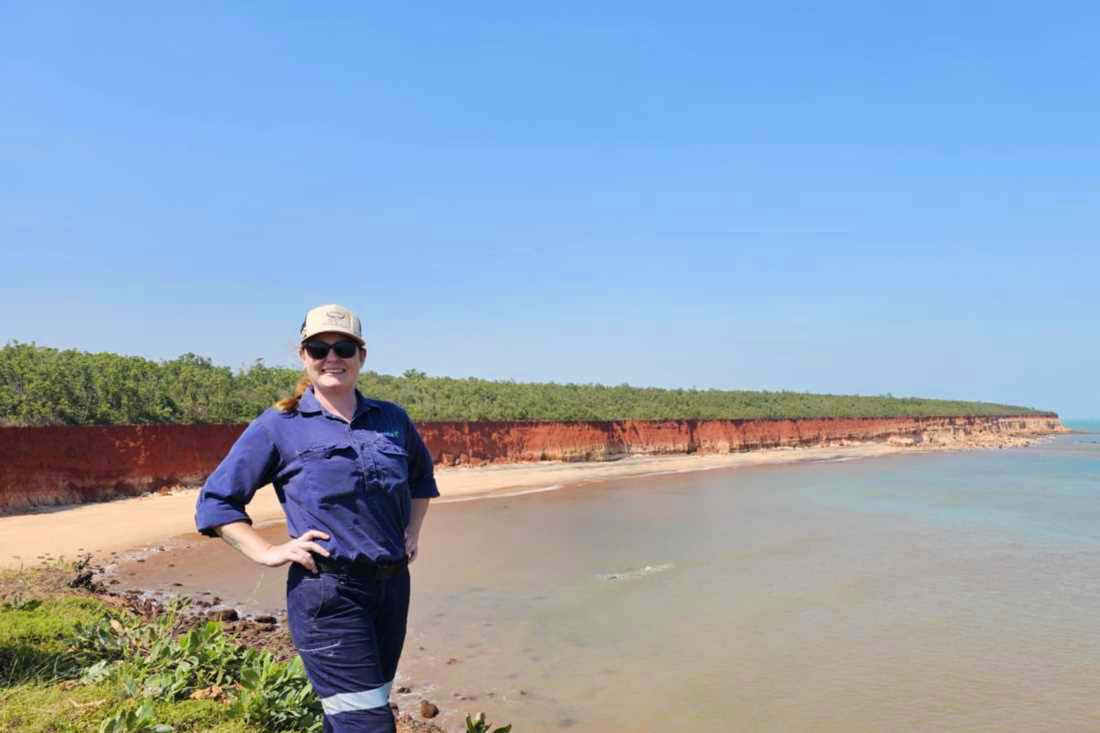
Take on environmental challenges
'Studying environmental science at QUT gave me the skills and the hands-on experience I needed to tackle real environmental challenges. The teaching team was incredibly dedicated and supportive, and they opened my eyes to career possibilities I hadn't even considered. Now, as a research assistant in both the ecohydrology and bushfire impacts research teams at QUT, I get to conduct soil surveys and measure surface and groundwater flows in the cloud forests of Springbrook, as well as closely analyse fire plume contents and trajectories across Queensland - putting what I learned directly into practice.'
Bachelor of Science (Environmental Science)
A rewarding career
'My role offers a rewarding balance of field and office-based work. I've had the opportunity to work in remarkable landscapes, collaborate with Traditional Owners to incorporate their knowledge and practices, and undertake aerial operations such as weed mapping and aerial incendiary deployment. While I feel fortunate to have found a role I’m so passionate about, it reflects the time, effort, and knowledge I developed during my studies at QUT which ultimately helped me secure this position.'
Bachelor of Science (Environmental Science)
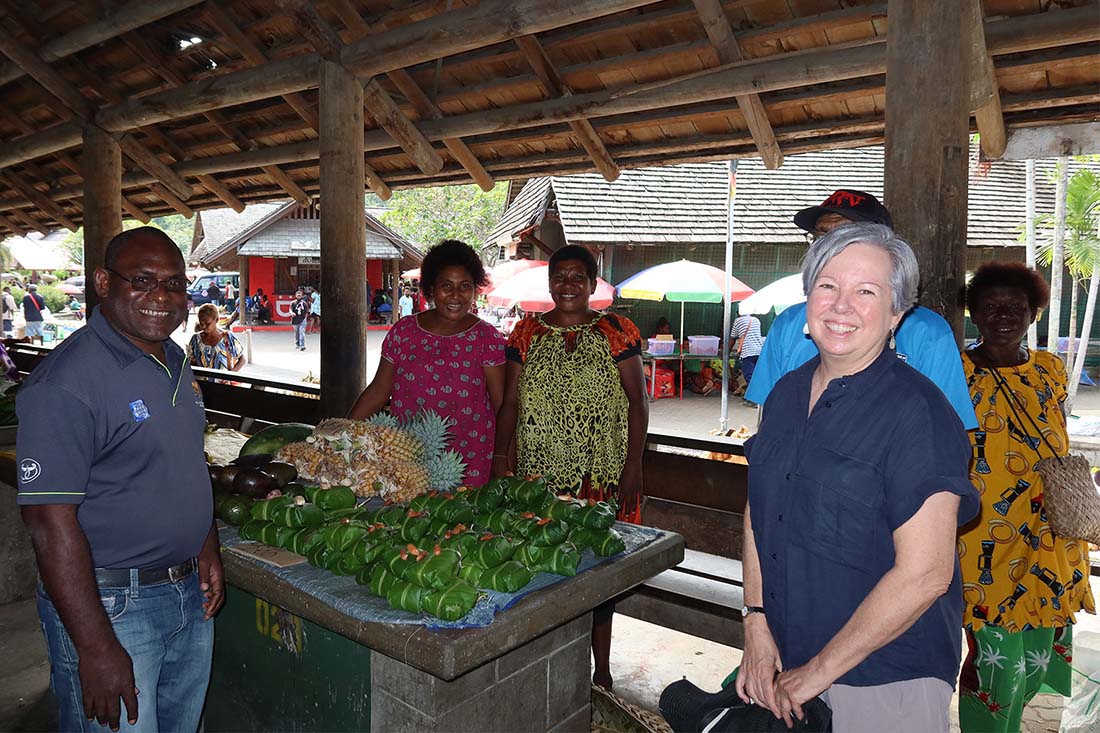
Learn from experts
Learn from leading researchers like Professor Helen Wallace, who has led a long-term project transforming the galip nut - a traditional, nutrient-rich crop from Papua New Guinea - into an internationally-recognised product. Her research, in partnership with local communities and global agencies, is improving livelihoods, enhancing food security, and creating new opportunities for women farmers in the face of climate change.
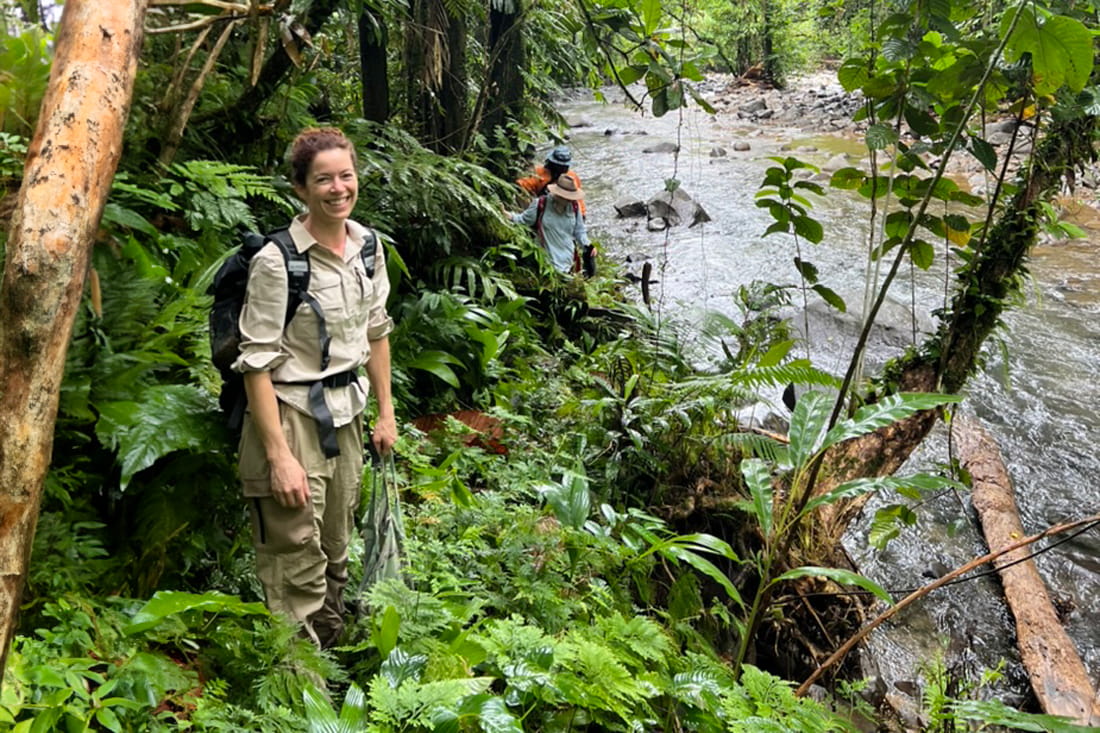
Learning in the field
At QUT, science students don’t just learn in labs and lecture theatres. They get hands-on experience in some of Queensland's unique environments. On a recent groundwater field trip to Springbrook, students worked in World Heritage rainforests, learned from Traditional Owners and industry experts, and even helped monitor endangered crayfish alongside QPWS rangers.
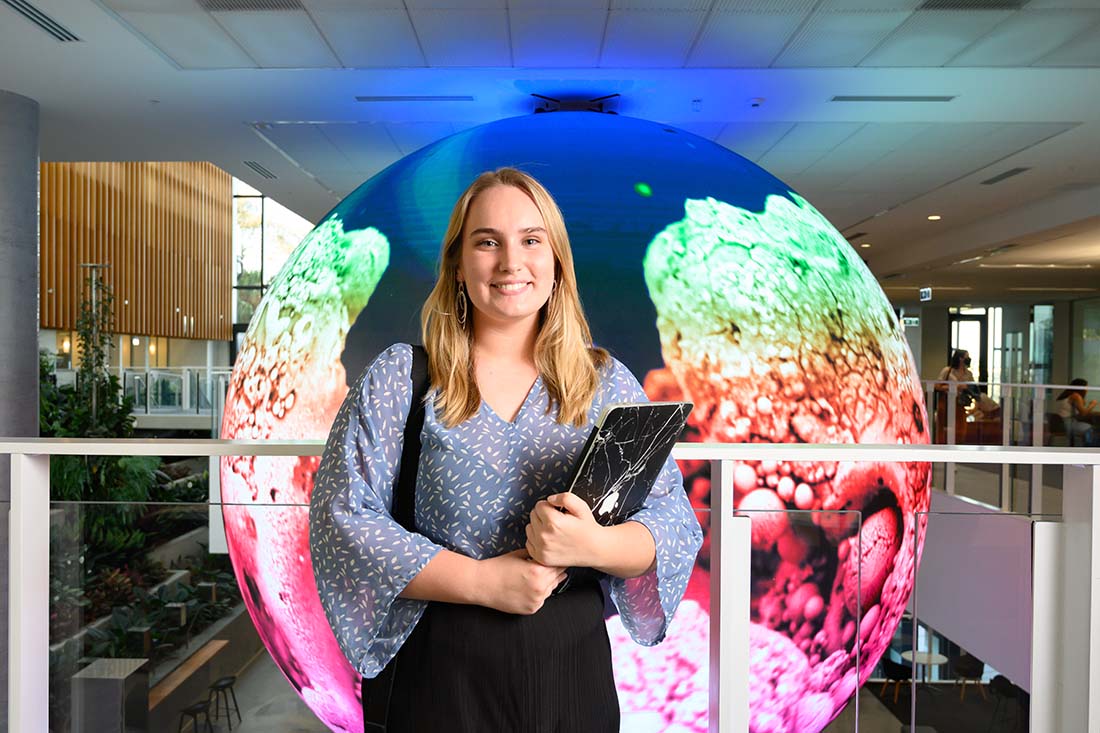
Science communication
When storytelling meets sustainability: discover how two QUT students are blending environmental science and communication to create real-world impact. In this video, they share how their studies opened doors to exciting opportunities for turning their passions into purpose-driven careers.
Fieldwork: Solomon Islands
There aren't many jobs where you can rescue leatherback turtle hatchlings on your way to work. Once at work, you measure trees so large that you could easily be engulfed by the leaf litter among the buttressed roots of these forest giants. Elektra Grant had such an opportunity while working in the pristine, old-growth forests of Zaira, in the Solomon Islands.
Field trip: Bunya Mountains
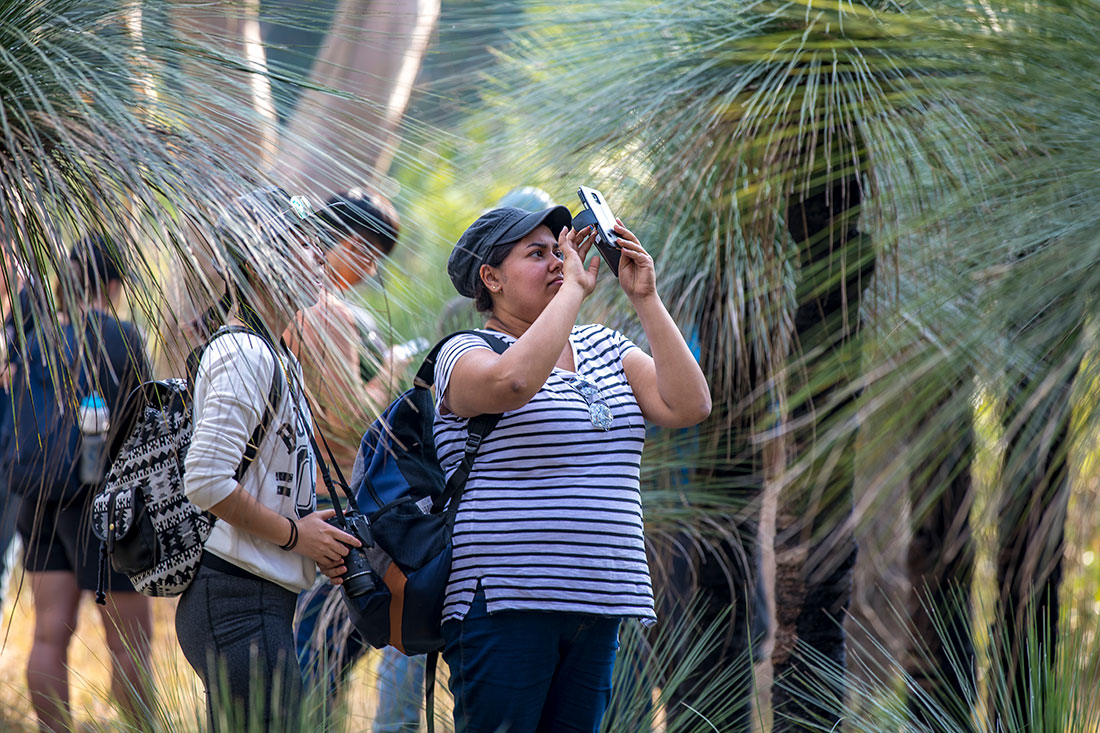
On the field trip to the Bunya Mountains, students get to explore nature up close and learn about how different plants and animals work together in their environment. This experience lets them use what they’ve learned in the classroom in real-life situations. They also discover simple ways to observe and study the wildlife around them, understanding how everything in the ecosystem is connected.
Experience science in 360 degrees
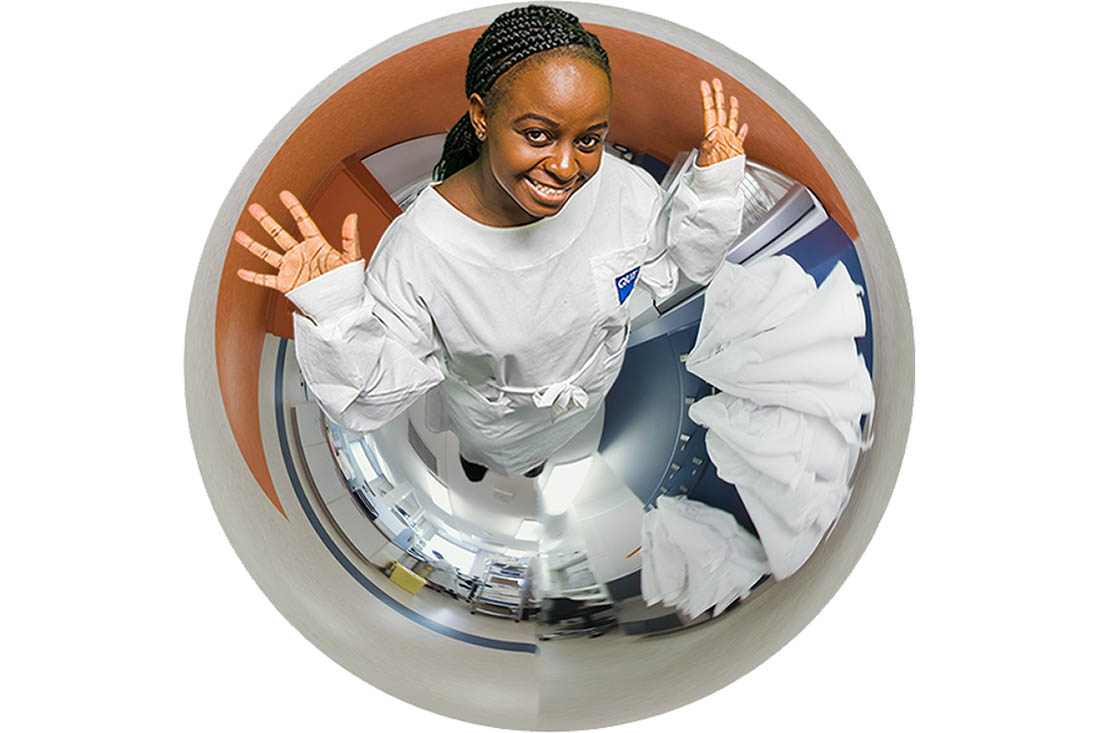
When you study with us, you’ll be in the field or the lab from your first year. Explore our 360° environments and see what real-world science can mean for you.
Hands-on science experiences
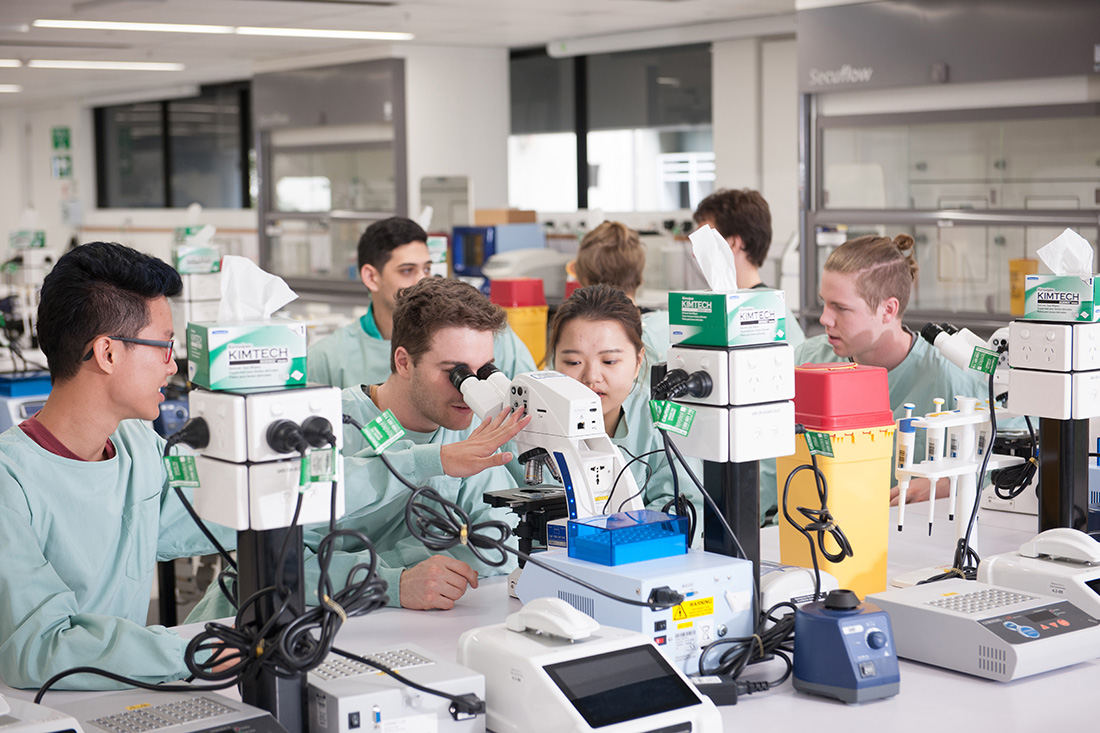
Our science students are introduced to a variety of lab experiences across all majors from the first week of their studies.
Take on environmental challenges
'Studying environmental science at QUT gave me the skills and the hands-on experience I needed to tackle real environmental challenges. The teaching team was incredibly dedicated and supportive, and they opened my eyes to career possibilities I hadn't even considered. Now, as a research assistant in both the ecohydrology and bushfire impacts research teams at QUT, I get to conduct soil surveys and measure surface and groundwater flows in the cloud forests of Springbrook, as well as closely analyse fire plume contents and trajectories across Queensland - putting what I learned directly into practice.'
Bachelor of Science (Environmental Science)
A rewarding career
'My role offers a rewarding balance of field and office-based work. I've had the opportunity to work in remarkable landscapes, collaborate with Traditional Owners to incorporate their knowledge and practices, and undertake aerial operations such as weed mapping and aerial incendiary deployment. While I feel fortunate to have found a role I’m so passionate about, it reflects the time, effort, and knowledge I developed during my studies at QUT which ultimately helped me secure this position.'
Bachelor of Science (Environmental Science)
Learn from experts
Learn from leading researchers like Professor Helen Wallace, who has led a long-term project transforming the galip nut - a traditional, nutrient-rich crop from Papua New Guinea - into an internationally-recognised product. Her research, in partnership with local communities and global agencies, is improving livelihoods, enhancing food security, and creating new opportunities for women farmers in the face of climate change.
Learning in the field
At QUT, science students don’t just learn in labs and lecture theatres. They get hands-on experience in some of Queensland's unique environments. On a recent groundwater field trip to Springbrook, students worked in World Heritage rainforests, learned from Traditional Owners and industry experts, and even helped monitor endangered crayfish alongside QPWS rangers.
Science communication
When storytelling meets sustainability: discover how two QUT students are blending environmental science and communication to create real-world impact. In this video, they share how their studies opened doors to exciting opportunities for turning their passions into purpose-driven careers.
Fieldwork: Solomon Islands
There aren't many jobs where you can rescue leatherback turtle hatchlings on your way to work. Once at work, you measure trees so large that you could easily be engulfed by the leaf litter among the buttressed roots of these forest giants. Elektra Grant had such an opportunity while working in the pristine, old-growth forests of Zaira, in the Solomon Islands.
Field trip: Bunya Mountains
On the field trip to the Bunya Mountains, students get to explore nature up close and learn about how different plants and animals work together in their environment. This experience lets them use what they’ve learned in the classroom in real-life situations. They also discover simple ways to observe and study the wildlife around them, understanding how everything in the ecosystem is connected.
Experience science in 360 degrees
When you study with us, you’ll be in the field or the lab from your first year. Explore our 360° environments and see what real-world science can mean for you.


Highlights
- Be part of the solution to our increasing environmental issues including climate change, air, water and soil quality and water resources.
- Study in the areas of land resources, hydrogeology, environmental geology, biogeochemistry, geographic information systems and field mapping, systems modelling and sustainable management.
- Learn through a combination of theoretical, practical and field classes, using real-world industry examples and methods.
- Attend guest lectures by relevant government agencies, industry and QUT staff who advise industry, government and community groups.
- Prepare for a career in planning, management, monitoring or research in government departments and agencies, local councils, consultancies, and industrial and mining companies.
- Study our new Climate Science minor to develop an in-depth understanding of climate change, alternative energy technologies, Earth's natural global change, marine environments, cloud formation, and much more.
- Graduate eligible for membership of the Environment Institute of Australia and New Zealand, the Soil Science Society of Australia and the Ecological Society of Australia, among others.
Highlights
- QUT is no. 6 in Australia and top 100 globally for environmental sciences (ShanghaiRanking Global Ranking of Academic Subjects 2025).
- Study in land resources, hydrogeology, environmental geology, biogeochemistry, geographic information systems and field mapping, systems modelling and sustainable management.
- Learn through a combination of theoretical, practical and field classes, using real-world industry examples and methods.
- Attend guest lectures by relevant government agencies, industry and QUT staff who advise industry, government and community groups.
- Graduate eligible for membership of the Environment Institute of Australia and New Zealand, the Soil Science Society of Australia and the Ecological Society of Australia, among others.
Why choose this course?
Environmental scientists have careers in planning, management, monitoring and research. These roles are usually found in government departments and agencies, local councils, consultancies, and industrial and mining companies, and you could be working in urban, rural or remote settings.
Graduates assess resources, implement environmental impact programs, analyse and interpret environmental data and formulate contingency plans in areas including strategic land-use planning; waste disposal; pollution measurement and control; coastal protection; environmental impact of mining, tourism and urban development; rehabilitation and reforestation of degraded sites; ground water assessment and modelling; flood plain planning; erosion control; and marine science.
Explore this course
We rely on our natural environment to sustain our lives and our lifestyles. We continually need to improve our understanding and management of the natural environment to balance our development with wise management while minimising impacts and degradation.
An understanding of the mechanisms controlling environmental systems provides the skills required to undertake a great range of scientific environmental planning and management, and tackle problems such as local water quality and ecosystem impacts, soil erosion, catchment and groundwater use, or adaptation to global climate change.
You will experience some of the most advanced laboratories and field work opportunities in Australia and be taught by staff who are at the top of their research fields internationally. You will also stay in touch with the real world, as guest lectures, site visits and opportunities for work integrated learning bring a strong industry flavour to the degree.
Customise your degree
When you pursue a Bachelor of Science at QUT, you have the option to add one or two minors to deepen your knowledge in a specific area of interest. A minor consists of a collection of related units within a particular study field. Here’s how Michelle, an environmental science student at QUT, tailored her learning to align with her interests:
"In addition to my major, I am studying two minors: Wildlife Biology and Applied Ecology. The Wildlife Biology minor focuses on studying animals, insects, and plants. The Applied Ecology minor covers different aspects of ecology, such as conservation, invasion, and molecular ecology.
In my first year as an environmental science major, I learned about geology, ecosystems, and the environment, which are fundamental to the field. During my second year, I took courses on global environmental issues, which addressed the world's current challenges, such as the eutrophication of waterways and coral bleaching."
Careers and outcomes
Environmental scientists are continually needed in a wide variety of planning, management, monitoring and research careers. These roles are usually found in government departments and agencies, local councils, consultancy, and industrial and mining companies. As an environmental science graduate, you could be working in urban, rural or remote settings depending on your interests.
Graduates are equipped to assess resources, implement environmental impact programs, analyse and interpret environmental data and formulate contingency plans in a wide variety of areas. These include strategic land use planning; pollution measurement and control; coastal protection; environmental impact of mining, forestry, agriculture, tourism and urban development; rehabilitation and reforestation of degraded sites; natural resource management (ground water, soil, vegetation) and modeling.
Professional recognition
Graduates are eligible for membership of the Environment Institute of Australia and New Zealand and a variety of other scientific societies, including the Soil Science Society of Australia and the Ecological Society of Australia.
Other study options
Possible careers
- Agronomist
- Biologist
- Coastal scientist
- Conservation biologist
- Cytologist
- Ecologist
- Environmental health officer
- Environmental manager
- Environmental scientist
- Government officer
- Laboratory assistant
- Mapping scientist/photogrammetrist
- Marine scientist
- Policy analyst
- Policy officer
- Population ecologist
- Project manager
To meet the course requirements of the Bachelor of Science, you must complete a total of 288 credit points, made up of:
- Core units - 60 credit points
- A Major – 120 credit points
- QUT You - 24 credit points
- Complementary studies - 84 credit points, made up of:
- a second major (84 credit points), or
- a minor (48 credit points) and elective units (36 credit points).
To meet the course requirements of the Bachelor of Science, you must complete a total of 288 credit points, made up of:
- Core units - 60 credit points
- A Major – 120 credit points
- QUT You - 24 credit points
- Complementary studies - 84 credit points, made up of:
- a second major (84 credit points), or
- a minor (48 credit points) and elective units (36 credit points).
- ATAR/selection rank threshold
- 70.00
These thresholds are the lowest adjusted scores to which QUT made an offer in Semester 1, 2026.
Don't have a ATAR/selection rank?
- Course code
- ST01
- QTAC code
- 418011
- CRICOS code
- 077696D
-
- Gardens Point
-
- Gardens Point
- 3 years full-time
- 6 years part-time
- 3 years full-time
- February and July
- February and July
Assumed knowledge
Before you start this course, we assume you have sound knowledge of the subject/s listed below. If you don't have the subject knowledge, you can still apply for the course but we strongly encourage you to undertake bridging studies to gain the knowledge:
- English, or Literature, or English and Literature Extension, or English as an Additional Language (Units 3 & 4, C)
- Mathematical Methods, or Specialist Mathematics (Units 3 & 4, C)
Year 12 early offer scheme
If you're a current Queensland Year 12 student, you may be eligible to receive an offer for this course on the last day of Queensland Year 12, before receiving your ATAR or selection rank.
Offer guarantee
If you achieve an ATAR or selection rank of 70.00 or higher (including any adjustments) and satisfy all other admission requirements, you are guaranteed an offer for this course in the Semester 1 offer rounds, up to the main offer round in mid-January.
VET guarantee
If you have completed an AQF certificate IV, diploma or higher, and satisfy all other admission requirements, you are guaranteed an offer for this course in the Semester 1 offer rounds, up to the main offer round in mid-January.
Advanced standing
If you have prior studies or work experience, you may be eligible for advanced standing (credit). You can apply for advanced standing once you've been accepted to QUT. If you're in your first semester of study, you must apply for advanced standing within 10 days of receiving your offer.
Deferment
You can defer your offer and postpone the start of your course for one year.
More about deferring your offer
Adjustments to your ATAR/selection rank
Any adjustments you receive to your ATAR or selection rank will be applied to this course.
Find out if you’re eligible for an adjustment to your ATAR or selection rank
Offers we made to school leavers in Semester 1, 2025
The figures listed in the tables below reflect the offers that were made to recent ATAR students. The entry thresholds box at the top of this page shows the lowest adjusted ATAR/selection rank required to receive an offer for all applicants for the most recent January QTAC offer round.
| Excluding adjustments | Including adjustments | |
|---|---|---|
| Highest ATAR/selection rank to receive an offer |
Selection rank
98.15
|
Selection rank
99.95
|
| Median ATAR/selection rank to receive an offer |
Selection rank
78.15
|
Selection rank
79.95
|
| Lowest ATAR/selection rank to receive an offer |
Selection rank
62.90
|
Selection rank
70.15
|
You can find out more about your fellow students’ backgrounds with this course’s student profile.
Other admission options
If you are of Aboriginal or Torres Strait Islander descent, you may be eligible for admission through our Centralised Assessment Selection Process (CASP).
I completed my studies outside of Australia
Select the country where you completed your studies to see a guide to the grades you need to apply for this course.
If your country or qualification is not listed, you can still apply for this course and we will assess your eligibility.
Assumed knowledge
- Mathematical Methods, or Specialist Mathematics (Units 3 & 4, C)
You must have achieved this study at a level comparable to Australian Year 12 or in recognised post-secondary studies.
I completed secondary school in Australia
Assumed knowledge
Before you start this course we assume you have sound knowledge in these areas:
- Mathematical Methods, or Specialist Mathematics (Units 3 & 4, C)
- ATAR/selection rank
- 70.00
Offer guarantee
If you completed secondary school in Australia and achieve an ATAR/selection rank of 70.00 or higher (including any adjustments) and satisfy all other admission requirements, you are guaranteed an offer for this course.
VET guarantee
If you have completed an AQF certificate IV, diploma or higher, and satisfy all other admission requirements, you are guaranteed an offer for this course.
Minimum English language requirements
Select the country where you completed your studies to see a guide on meeting QUT’s English language requirements.
Your scores and prior qualifications in English-speaking countries are considered. Approved English-speaking countries are Australia, Canada, England, Ireland, New Zealand, Scotland, United States of America and Wales.
If your country or qualification is not listed, you can still apply for this course and we will assess your eligibility.
We accept English language proficiency scores from the following tests undertaken in a secure test centre. Tests must be taken no more than 2 years prior to the QUT course commencement.
| English Test | Overall | Listening | Reading | Writing | Speaking |
|---|---|---|---|---|---|
| IELTS Academic / One Skill Retake | 6.5 | 6 | 6 | 6 | 6 |
|
Cambridge C1 Advanced
You must share your results with QUT through the Candidate Results Online website. |
176 | 169 | 169 | 169 | 169 |
| PTE Academic | 58 | 50 | 50 | 50 | 50 |
| TOEFL iBT Australia Test (120 scale) | 79 | 16 | 16 | 21 | 18 |
Don't have the English language score you need? We can help!
We offer English language programs to improve your English and help you gain entry to this course.
When you apply for this course, we will recommend which English course you should enrol in.



Your actual fees may vary depending on which units you choose. We review fees annually, and they may be subject to increases.
2027 fees
2027: Fee available from October
2027 fees
2027: $48,500 per year full-time (96 credit points)
2026 fees
2026: CSP $9,000 per year full-time (96 credit points)
2026 fees
2026: $46,500 per year full-time (96 credit points)
Student services and amenities fees
You may need to pay student services and amenities (SA) fees as part of your course costs.
HECS-HELP: loans to help you pay for your course fees
You may not have to pay anything upfront if you're eligible for a HECS-HELP loan.
You can apply for scholarships to help you with study and living costs.
QUT Excellence Scholarship (Academic)
QUT's premier offering for students with outstanding academic achievement.
- Scholarship eligibility
- Academic performance
Equity scholarships scheme
A scholarship for low-income students studying in any faculty.
- Scholarship eligibility
- Struggling financially
QUT Elite Sport Scholarship
QUT's premier offering for students with outstanding sporting achievement.
- Scholarship eligibility
- Sporting excellence
International Merit Scholarship
A high achievement scholarship for future international undergraduate and postgraduate students.
- Scholarship eligibility
- Academic performance
Oodgeroo Noonuccal Undergraduate & Postgraduate Scholarship
The Oodgeroo Scholarship Program promotes the pursuit of Indigenous Australian studies by supporting the education of Indigenous Australians.
- Scholarship eligibility
- Indigenous Australian
QUT Budding Entrepreneur Scholarship
A scholarship for innovative individuals who are engaged in their passion for entrepreneurial action.
- Scholarship eligibility
QUT Rising Sports Scholarship
QUT’s high performance offering for students with outstanding sporting achievement.
- Scholarship eligibility
- Sporting excellence
Faculty of Science Scholarship for Women and Non-Binary People
We are committed to supporting people who may face barriers due to their gender and building diverse and inclusive cohorts for careers in science, maths and IT.
- Scholarship eligibility
- Academic performance; Women; Non-binary
Faculty of Science Indigenous Australian Scholarship
We are committed to improving Aboriginal and Torres Strait Islander participation in science, maths and IT and ensuring students reach their full potential.
- Scholarship eligibility
- Indigenous Australian; Academic performance
International Talent Scholarship
A new scholarship for 2026 that covers tuition fees, with eligibility based on your prior academic achievements.
- Scholarship eligibility
- Academic performance
Keep up to date
Ready for your next step?
Finishing school?
Everything you need to know about choosing a uni straight from school.
How to apply
We'll break down the application process, from QTAC to accepting your offer.
Ready for your next step?
How to apply
We'll break down the process, from applying to accepting your offer.
Flexible study
Explore the options that could make postgraduate study work for you.
QUT courses for you
Like to save your courses?
Please enter your first name and email so we can save your courses for you