Our researchers
Connect with the best. Explore our researchers, their achievements and expertise.
Strengths and projects
Cutting-edge research driven from the heart of our research centres and groups.
Degrees and study
Ready to take the next step? Find out more about our research degrees.
Partnerships
Connect with our expertise, equipment and facilities, and see real evidence of collaborative partnerships.
Research for the real world starts here
Find out how our collaborative approach to research is helping the world to progress.
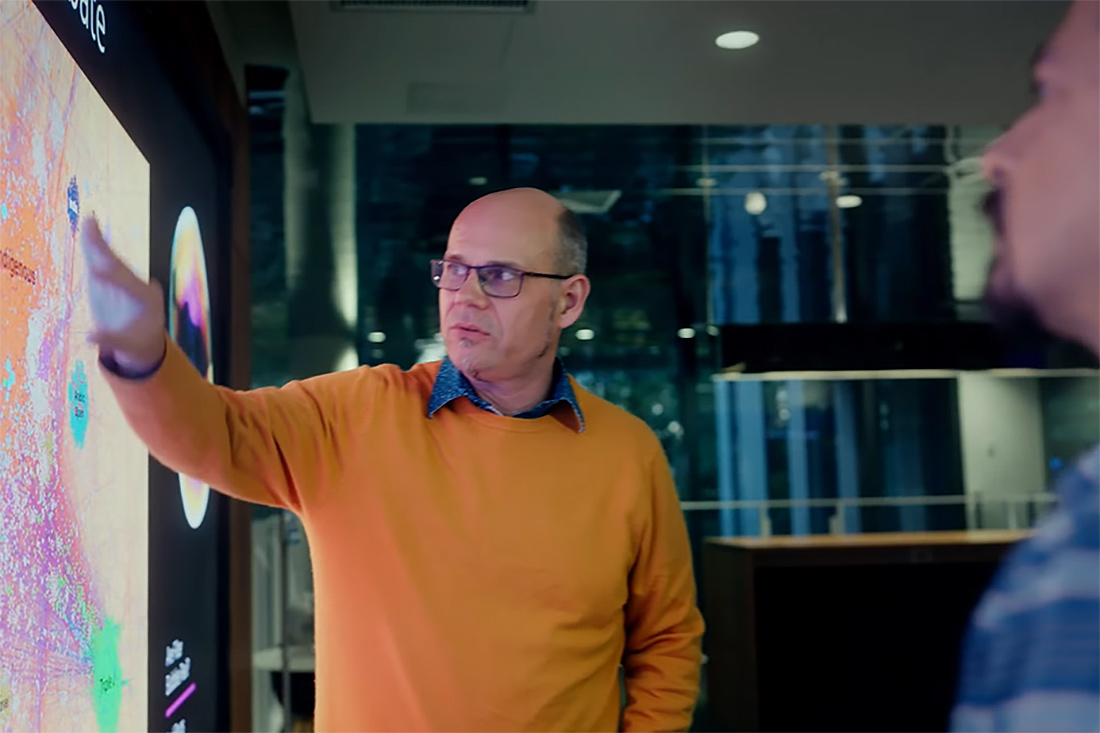
Transdisciplinary
We tackle some of the biggest questions facing the planet by combining different disciplines and capabilities. Our transdisciplinary research approach is delivering unique solutions.
Real world partnerships
We work closely with partners across all sectors who will apply our research outcomes to create solutions. We're engaging with government and industry, to translate our research to deliver real-world impacts.
Transformative
We are harnessing our technological strengths across different disciplines to transform research by identifying new opportunities and delivering solutions to real-world problems.
Bold ideas, real impact
Research by study area

Architecture and built environment
We bring together government, industry and community to create real-world solutions to built environmental problems.

Business and law
Our research brings together world-leading academics with industry leaders, and we help current and future leaders to navigate a fast-emerging new world.

Creative industries, education and social justice
We are a world leader in creativity, teaching, and justice research.

Engineering
We are ranked as the leading research institution in Australia for both robotics and biomedical technology.

Health
Our research improves patient treatment options and increases the world's knowledge of human health.

Science
Be part of scientific research that has real impact and discover the projects establishing our staff as international research leaders.
Real Focus
Discover articles about real-world business and law research, with analysis, commentary and news feature stories from our academics who are experts in their field.



Making real progress

QUT researchers elected to the Academy of the Social Sciences
Distinguished Professor Ben White and Professor Greig de Zubicaray have been elected Fellows of the Australian Academy of the Social Sciences.
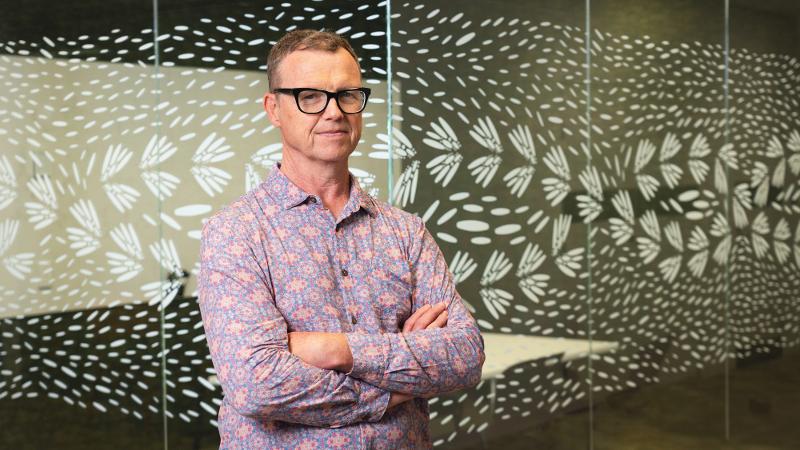
Suspicious citation numbers are a red flag for research paper mill slop
The likely manipulation of citation numbers by research paper mills in high-impact cancer journals has been uncovered by an international team of academic researchers.

QUT researchers named AAHMS Fellows
Distinguished Professor Lyn Griffiths AM and Distinguished Professor Yuantong Gu have been named Fellows of the Australian Academy of Health and Medical Sciences (AAHMS).
Why QUT
Our research is focused on progress, pushing the boundaries and developing new ideas through transdisciplinary thinking.
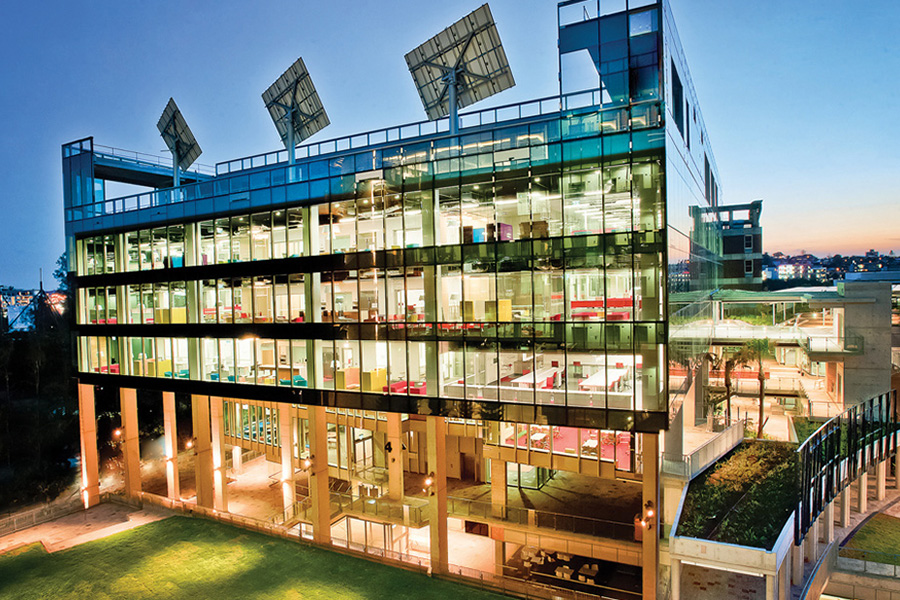
Our facilities
We're committed to providing high quality infrastructure, professional support and facilities for our researchers.
QUT public statement on research assessment
We are committed to supporting high quality and impactful research through responsible research assessment.
Download the QUT public statement on research assessment (PDF file, 86.1 KB)