 Apply now
 How to apply
 Save course for later
 Send me a PDF copy
 I want more info
Wade's story
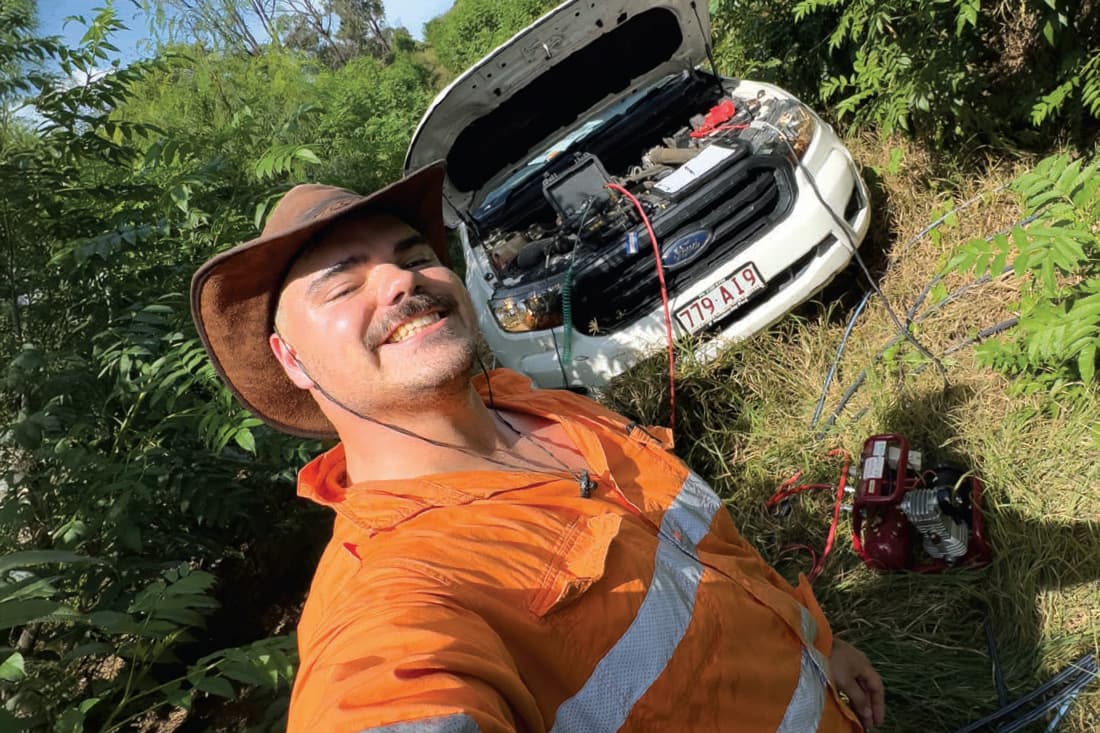
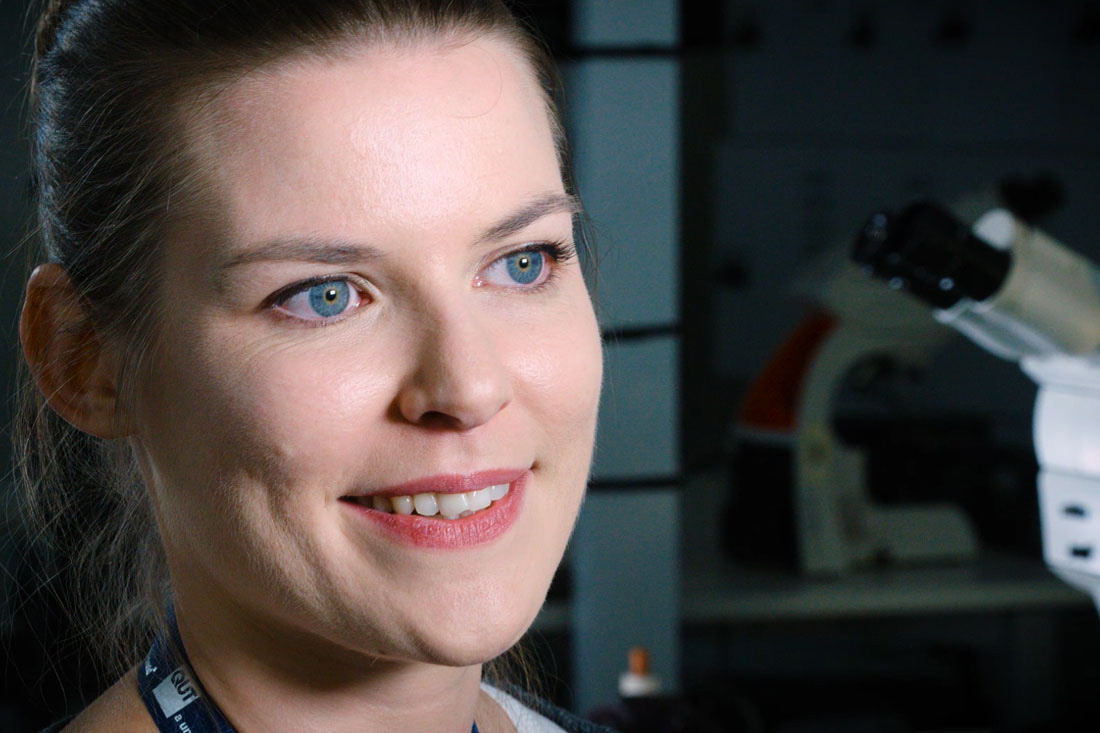
I am an environmental scientist working for Environmental Earth Sciences, a consultancy providing practical solutions to assess, remediate, and repair degraded land. I use my earth science and groundwater chemistry skills to assess site suitability, environmental liability and compliance. My job is the best mix of science, people, fieldwork and chaos.
Bachelor of Science (Earth Science) and Bachelor of Science (Honours) (Environmental Science)
Learning in the field
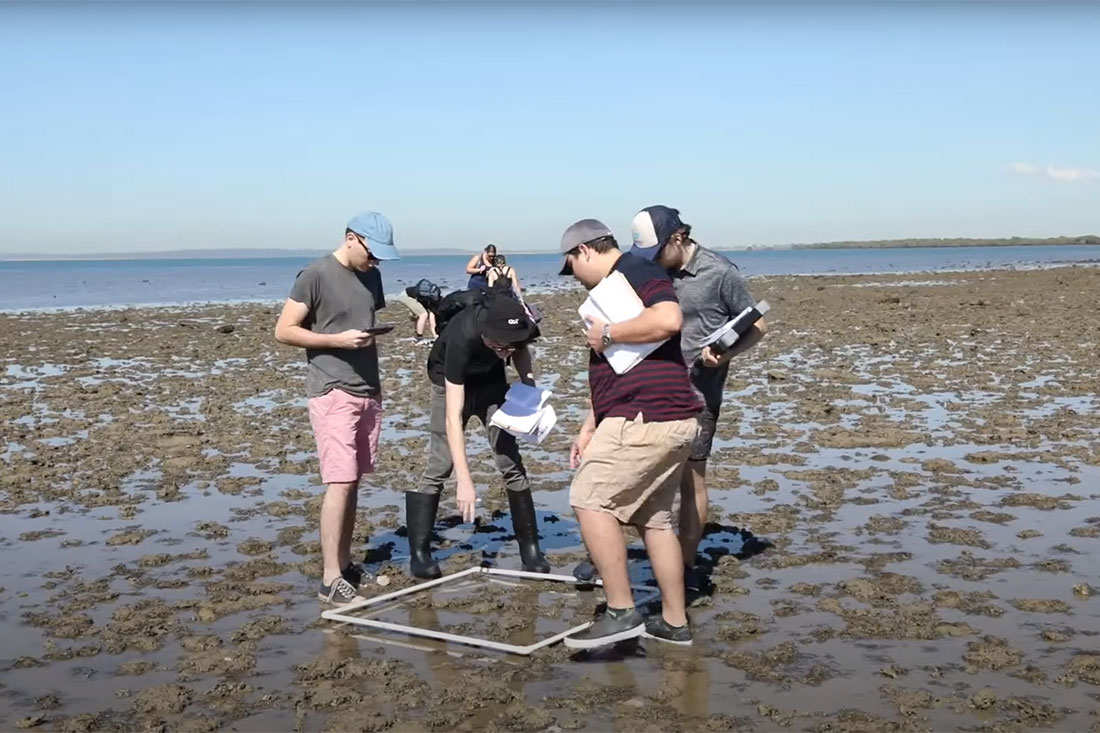
At QUT, science students don’t just learn in labs and lecture theatres. They get hands-on experience in some of Queensland's unique environments. On a recent groundwater field trip to Springbrook, students worked in World Heritage rainforests, learned from Traditional Owners and industry experts, and even helped monitor endangered crayfish alongside QPWS rangers.
Is an earth science degree right for you?
If you love different sciences and the outdoors, the Earth Science degree at QUT is ideal for you. Our program prepares you for a future in exploring and managing the Earth's resources. Earth scientists study processes, monitor changes, and analyse the past to predict the future.
Unfolding the history of our planet
Tune in to the Pale Blue Dot podcast to hear hosts Dr Luke Nothdurft and Dr David Flannery discuss some of the biggest questions and mysteries of our planet with leading scientific experts from QUT and beyond. This podcast series is part of the online content for the Evolving Earth unit in the Earth Science major.
Get out in the field
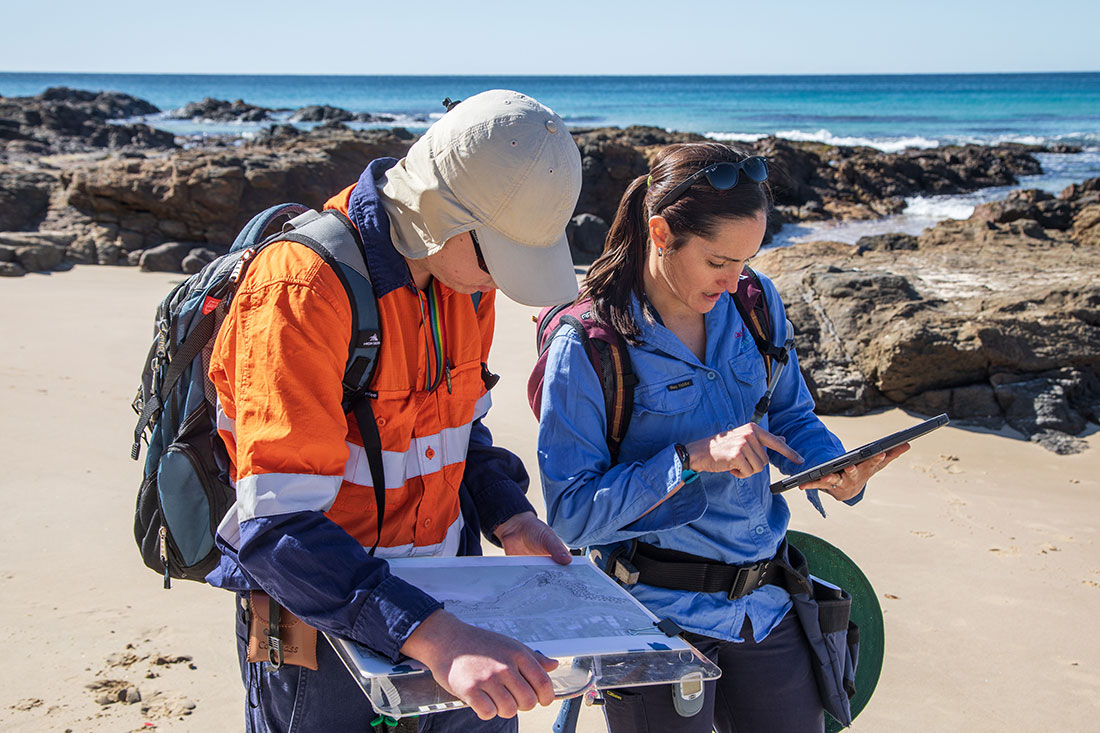
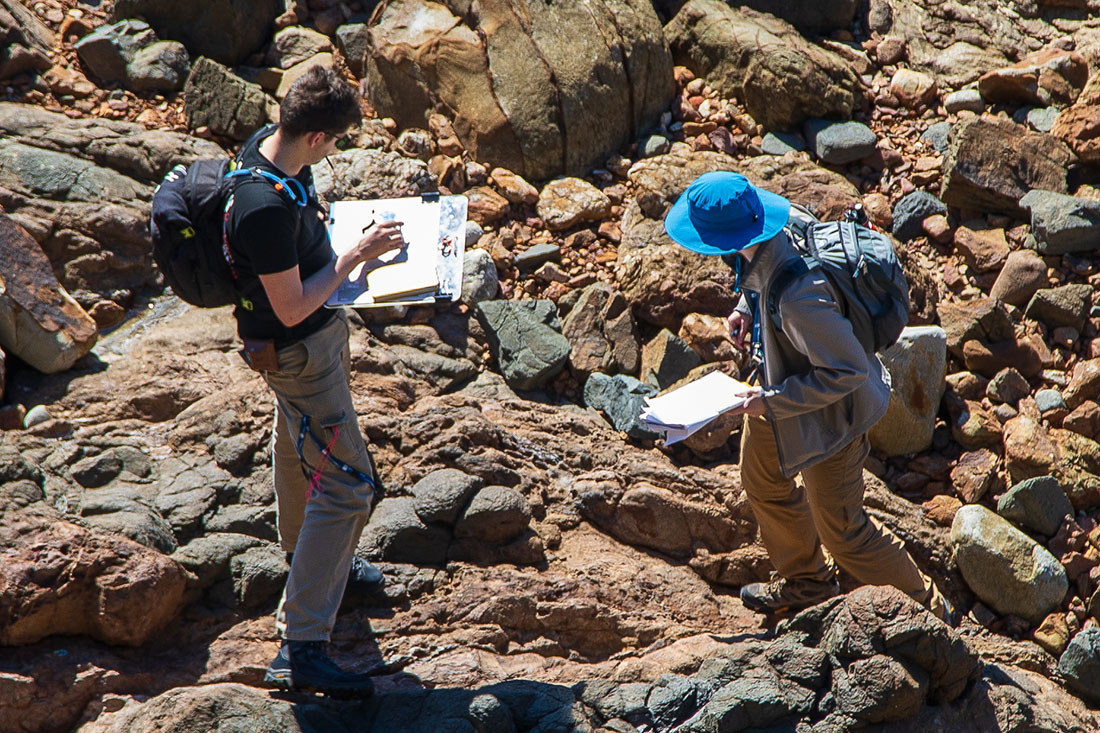
Our earth science students get out and about on a number of field trips throughout their studies, and experience geosciences first hand. They collect and analyse data, and report back in an industry format.
Real-world learning experiences
Our environmental science degrees are packed with field trips and real-world learning experiences. Earth science units take you to places around Queensland, New South Wales and South Australia to learn about Earth processes that produce the landscapes we now live in, and the history of our ancient continent.
Find your tribe
'One of the really great things that I found was the Natural Resources Society. When I first came to uni, I didn’t know anybody at all, and I mustered up the courage in my first semester to go along to the NRS welcome barbecue. I found it to be just a really warm and welcoming community, of everybody from first year through to postgraduate - and just that real sense of community that it fostered, I found really, really valuable.'
Our search for ancient life on Mars
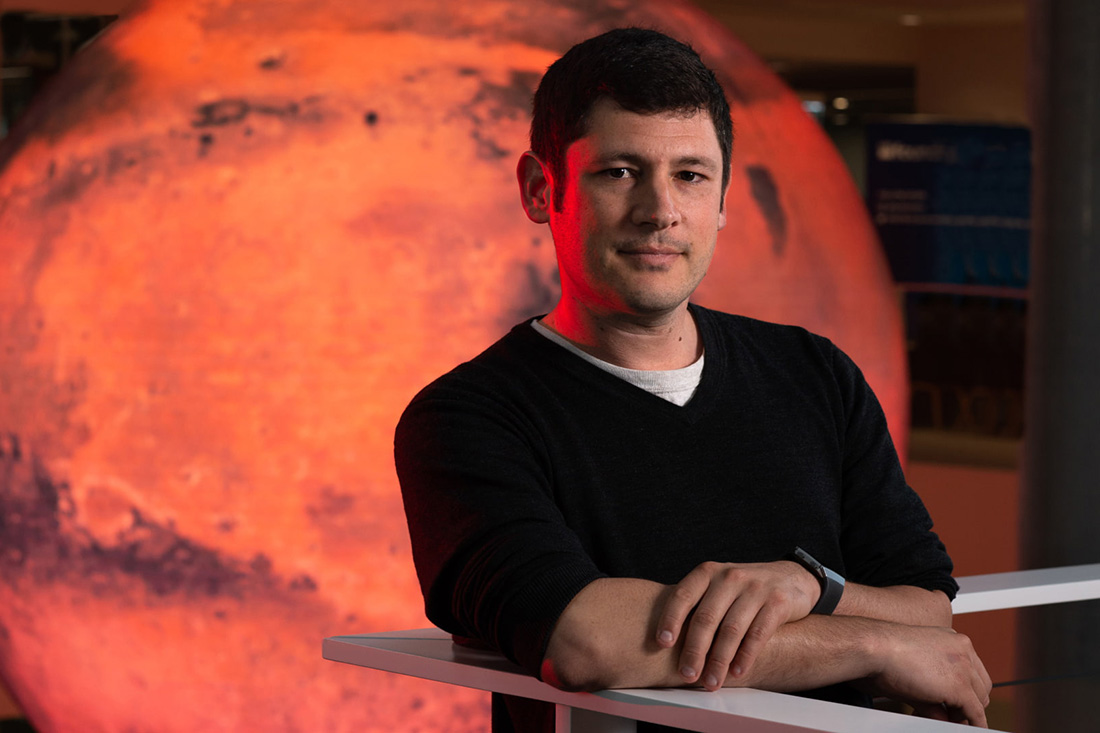
Dr David Flannery explains QUT’s involvements in NASA Mars Rover operations, including the development of critical key software packages.
Wade's story
I am an environmental scientist working for Environmental Earth Sciences, a consultancy providing practical solutions to assess, remediate, and repair degraded land. I use my earth science and groundwater chemistry skills to assess site suitability, environmental liability and compliance. My job is the best mix of science, people, fieldwork and chaos.
Bachelor of Science (Earth Science) and Bachelor of Science (Honours) (Environmental Science)
Is an earth science degree right for you?
If you love different sciences and the outdoors, the Earth Science degree at QUT is ideal for you. Our program prepares you for a future in exploring and managing the Earth's resources. Earth scientists study processes, monitor changes, and analyse the past to predict the future.
Our search for ancient life on Mars
Dr David Flannery explains QUT’s involvements in NASA Mars Rover operations, including the development of critical key software packages.
Get out in the field
Our earth science students get out and about on a number of field trips throughout their studies, and experience geosciences first hand. They collect and analyse data, and report back in an industry format.
Unfolding the history of our planet
Tune in to the Pale Blue Dot podcast to hear hosts Dr Luke Nothdurft and Dr David Flannery discuss some of the biggest questions and mysteries of our planet with leading scientific experts from QUT and beyond. This podcast series is part of the online content for the Evolving Earth unit in the Earth Science major.
Real-world learning experiences
Our environmental science degrees are packed with field trips and real-world learning experiences. Earth science units take you to places around Queensland, New South Wales and South Australia to learn about Earth processes that produce the landscapes we now live in, and the history of our ancient continent.
Find your tribe
'One of the really great things that I found was the Natural Resources Society. When I first came to uni, I didn’t know anybody at all, and I mustered up the courage in my first semester to go along to the NRS welcome barbecue. I found it to be just a really warm and welcoming community, of everybody from first year through to postgraduate - and just that real sense of community that it fostered, I found really, really valuable.'


Highlights
- Specialise in identifying and analysing earth materials, environments and geological processes relevant to industry.
- Play a key role in the search for fuels and minerals, solutions for climate change or marine and freshwater environments.
- Gain hands-on, practical skills and field experience using real-world examples and materials.
- Prepare for a range of careers within the resource or the environmental sector, from field geologist to research scientist, environmental scientist, or hydrologist.
- Work in environmental consulting or research, tackling geotechnical, groundwater contamination, natural hazards or climate change issues.
- Study our new Climate Science minor to develop an in-depth understanding of climate change, alternative energy technologies, Earth's natural global change, marine environments, cloud formation, and much more.
- Graduate eligible for membership in a number of professional societies, such as the Geological Society of Australia and Australian Institute of Geologists.
Highlights
- Specialise in identifying and analysing earth materials, environments and geological processes relevant to industry.
- Play a key role in the search for fuels and minerals, solutions for climate change or marine and freshwater environments.
- Gain hands-on, practical skills and field experience using real-world examples and materials.
- Prepare for a range of careers within the resource or the environmental sector, from field geologist to research scientist, environmental scientist, or hydrologist.
- Work in environmental consulting or research, tackling geotechnical, groundwater contamination, natural hazards or climate change issues.
- Study our new Climate Science minor to develop an in-depth understanding of climate change, alternative energy technologies, Earth's natural global change, marine environments, cloud formation, and much more.
- Graduate eligible for membership in a number of professional societies, such as the Geological Society of Australia and Australian Institute of Geologists.
Why choose this course?
If you enjoy working outdoors and are interested in understanding how the world works, then you will find earth science a rewarding area of study. Blending current research issues and problem solving with theory and industry-related, hands-on practicals, the earth science major provides you with a fundamental background to pursue a career in either the resource or the environmental sector.
Explore this course
The Earth is an amazing place and for an earth scientist, it offers a unique natural laboratory that covers space and time. Earth science is a multidisciplinary science that applies chemistry, physics, biology and mathematics tools to understand earth processes, decipher its past and predict its future. Earth scientists work to monitor changes in the Earth’s environment and suggest solutions to problems. They study natural hazards to prevent loss of life and reduce property damage. Earth scientists play key roles in the search for fuels and minerals. Climate change, earthquakes and geothermal energy are just a few of the issues that require knowledge of earth science.
Earth science (also known as geoscience) blends the traditional fields of geology, physical geography and oceanography/ hydrology. Geology describes the rocky parts of the Earth’s crust (or lithosphere) and its development. Physical geography, which studies the Earth’s surface, includes geomorphology, soil science and biogeoscience. The marine and freshwater parts of the Earth define the fields of oceanography and hydrology.
Careers and outcomes
There is currently a shortage of earth scientists in Australia and employment rates are high and salaries great. Earth scientists are in high demand in the energy sector (oil, gas, coal, geothermal) and exploration and mining industries. Many earth scientists find employment in environmental consulting companies tackling geotechnical, groundwater contamination, natural hazards or climate change issues. Earth scientists may work for government agencies such as CSIRO and Geoscience Australia doing applied research, or for state or local governments.
Professional recognition
Graduates are eligible for membership in a number of professional societies, such as the Geological Society of Australia, Australian Institute of Geologists and other overseas professional societies.
Other study options
Possible careers
- Exploration geologist
- Geophysicist
- Geoscientist
- Government officer
- Hydrogeologist
- Laboratory assistant
- Mapping scientist
- Marine scientist
- Mine geologist
- Natural resource scientist
- Project manager
To meet the course requirements of the Bachelor of Science, you must complete a total of 288 credit points, made up of:
- Core units - 60 credit points
- A Major – 120 credit points
- QUT You - 24 credit points
- Complementary studies - 84 credit points, made up of:
- a second major (84 credit points), or
- a minor (48 credit points) and elective units (36 credit points).
To meet the course requirements of the Bachelor of Science, you must complete a total of 288 credit points, made up of:
- Core units - 60 credit points
- A Major – 120 credit points
- QUT You - 24 credit points
- Complementary studies - 84 credit points, made up of:
- a second major (84 credit points), or
- a minor (48 credit points) and elective units (36 credit points).
- ATAR/selection rank threshold
- 70.00
These thresholds are the lowest adjusted scores to which QUT made an offer in Semester 1, 2026.
Don't have a ATAR/selection rank?
- Course code
- ST01
- QTAC code
- 418011
- CRICOS code
- 077696D
-
- Gardens Point
-
- Gardens Point
- 3 years full-time
- 6 years part-time
- 3 years full-time
- February and July
- February and July
Assumed knowledge
Before you start this course, we assume you have sound knowledge of the subject/s listed below. If you don't have the subject knowledge, you can still apply for the course but we strongly encourage you to undertake bridging studies to gain the knowledge:
- English, or Literature, or English and Literature Extension, or English as an Additional Language (Units 3 & 4, C)
- Mathematical Methods, or Specialist Mathematics (Units 3 & 4, C)
Year 12 early offer scheme
If you're a current Queensland Year 12 student, you may be eligible to receive an offer for this course on the last day of Queensland Year 12, before receiving your ATAR or selection rank.
Offer guarantee
If you achieve an ATAR or selection rank of 70.00 or higher (including any adjustments) and satisfy all other admission requirements, you are guaranteed an offer for this course in the Semester 1 offer rounds, up to the main offer round in mid-January.
VET guarantee
If you have completed an AQF certificate IV, diploma or higher, and satisfy all other admission requirements, you are guaranteed an offer for this course in the Semester 1 offer rounds, up to the main offer round in mid-January.
Advanced standing
If you have prior studies or work experience, you may be eligible for advanced standing (credit). You can apply for advanced standing once you've been accepted to QUT. If you're in your first semester of study, you must apply for advanced standing within 10 days of receiving your offer.
Deferment
You can defer your offer and postpone the start of your course for one year.
More about deferring your offer
Adjustments to your ATAR/selection rank
Any adjustments you receive to your ATAR or selection rank will be applied to this course.
Find out if you’re eligible for an adjustment to your ATAR or selection rank
Offers we made to school leavers in Semester 1, 2025
The figures listed in the tables below reflect the offers that were made to recent ATAR students. The entry thresholds box at the top of this page shows the lowest adjusted ATAR/selection rank required to receive an offer for all applicants for the most recent January QTAC offer round.
| Excluding adjustments | Including adjustments | |
|---|---|---|
| Highest ATAR/selection rank to receive an offer |
Selection rank
98.15
|
Selection rank
99.95
|
| Median ATAR/selection rank to receive an offer |
Selection rank
78.15
|
Selection rank
79.95
|
| Lowest ATAR/selection rank to receive an offer |
Selection rank
62.90
|
Selection rank
70.15
|
You can find out more about your fellow students’ backgrounds with this course’s student profile.
Other admission options
If you are of Aboriginal or Torres Strait Islander descent, you may be eligible for admission through our Centralised Assessment Selection Process (CASP).
I completed my studies outside of Australia
Select the country where you completed your studies to see a guide to the grades you need to apply for this course.
If your country or qualification is not listed, you can still apply for this course and we will assess your eligibility.
Assumed knowledge
- Mathematical Methods, or Specialist Mathematics (Units 3 & 4, C)
You must have achieved this study at a level comparable to Australian Year 12 or in recognised post-secondary studies.
I completed secondary school in Australia
Assumed knowledge
Before you start this course we assume you have sound knowledge in these areas:
- Mathematical Methods, or Specialist Mathematics (Units 3 & 4, C)
- ATAR/selection rank
- 70.00
Offer guarantee
If you completed secondary school in Australia and achieve an ATAR/selection rank of 70.00 or higher (including any adjustments) and satisfy all other admission requirements, you are guaranteed an offer for this course.
VET guarantee
If you have completed an AQF certificate IV, diploma or higher, and satisfy all other admission requirements, you are guaranteed an offer for this course.
Minimum English language requirements
Select the country where you completed your studies to see a guide on meeting QUT’s English language requirements.
Your scores and prior qualifications in English-speaking countries are considered. Approved English-speaking countries are Australia, Canada, England, Ireland, New Zealand, Scotland, United States of America and Wales.
If your country or qualification is not listed, you can still apply for this course and we will assess your eligibility.
We accept English language proficiency scores from the following tests undertaken in a secure test centre. Tests must be taken no more than 2 years prior to the QUT course commencement.
| English Test | Overall | Listening | Reading | Writing | Speaking |
|---|---|---|---|---|---|
| IELTS Academic / One Skill Retake | 6.5 | 6 | 6 | 6 | 6 |
|
Cambridge C1 Advanced
You must share your results with QUT through the Candidate Results Online website. |
176 | 169 | 169 | 169 | 169 |
| PTE Academic | 58 | 50 | 50 | 50 | 50 |
| TOEFL iBT Australia Test (120 scale) | 79 | 16 | 16 | 21 | 18 |
Don't have the English language score you need? We can help!
We offer English language programs to improve your English and help you gain entry to this course.
When you apply for this course, we will recommend which English course you should enrol in.



Your actual fees may vary depending on which units you choose. We review fees annually, and they may be subject to increases.
2027 fees
2027: Fee available from October
2027 fees
2027: Fee available from July
2026 fees
2026: CSP $9,000 per year full-time (96 credit points)
2026 fees
2026: $46,500 per year full-time (96 credit points)
Student services and amenities fees
You may need to pay student services and amenities (SA) fees as part of your course costs.
HECS-HELP: loans to help you pay for your course fees
You may not have to pay anything upfront if you're eligible for a HECS-HELP loan.
You can apply for scholarships to help you with study and living costs.
QUT Excellence Scholarship (Academic)
QUT's premier offering for students with outstanding academic achievement.
- Scholarship eligibility
- Academic performance
Equity scholarships scheme
A scholarship for low-income students studying in any faculty.
- Scholarship eligibility
- Struggling financially
QUT Elite Sport Scholarship
QUT's premier offering for students with outstanding sporting achievement.
- Scholarship eligibility
- Sporting excellence
International Merit Scholarship
A high achievement scholarship for future international undergraduate and postgraduate students.
- Scholarship eligibility
- Academic performance
Oodgeroo Noonuccal Undergraduate & Postgraduate Scholarship
The Oodgeroo Scholarship Program promotes the pursuit of Indigenous Australian studies by supporting the education of Indigenous Australians.
- Scholarship eligibility
- Indigenous Australian
QUT Budding Entrepreneur Scholarship
A scholarship for innovative individuals who are engaged in their passion for entrepreneurial action.
- Scholarship eligibility
QUT Rising Sports Scholarship
QUT’s high performance offering for students with outstanding sporting achievement.
- Scholarship eligibility
- Sporting excellence
Faculty of Science Scholarship for Women and Non-Binary People
We are committed to supporting people who may face barriers due to their gender and building diverse and inclusive cohorts for careers in science, maths and IT.
- Scholarship eligibility
- Academic performance; Women; Non-binary
Faculty of Science Indigenous Australian Scholarship
We are committed to improving Aboriginal and Torres Strait Islander participation in science, maths and IT and ensuring students reach their full potential.
- Scholarship eligibility
- Indigenous Australian; Academic performance
International Talent Scholarship
A new scholarship for 2026 that covers tuition fees, with eligibility based on your prior academic achievements.
- Scholarship eligibility
- Academic performance
Keep up to date
Ready for your next step?
Finishing school?
Everything you need to know about choosing a uni straight from school.
How to apply
We'll break down the application process, from QTAC to accepting your offer.
Ready for your next step?
How to apply
We'll break down the process, from applying to accepting your offer.
Flexible study
Explore the options that could make postgraduate study work for you.
QUT courses for you
Like to save your courses?
Please enter your first name and email so we can save your courses for you