 Apply now
 How to apply
 Save course for later
 Send me a PDF copy
 I want more info
Public health vs environmental health
If you're considering switching to a career in health you might be weighing up public health or environmental health as possible options. If you’re not sure of the difference between the two areas take a look at our deep dive into the differences.
Make a difference
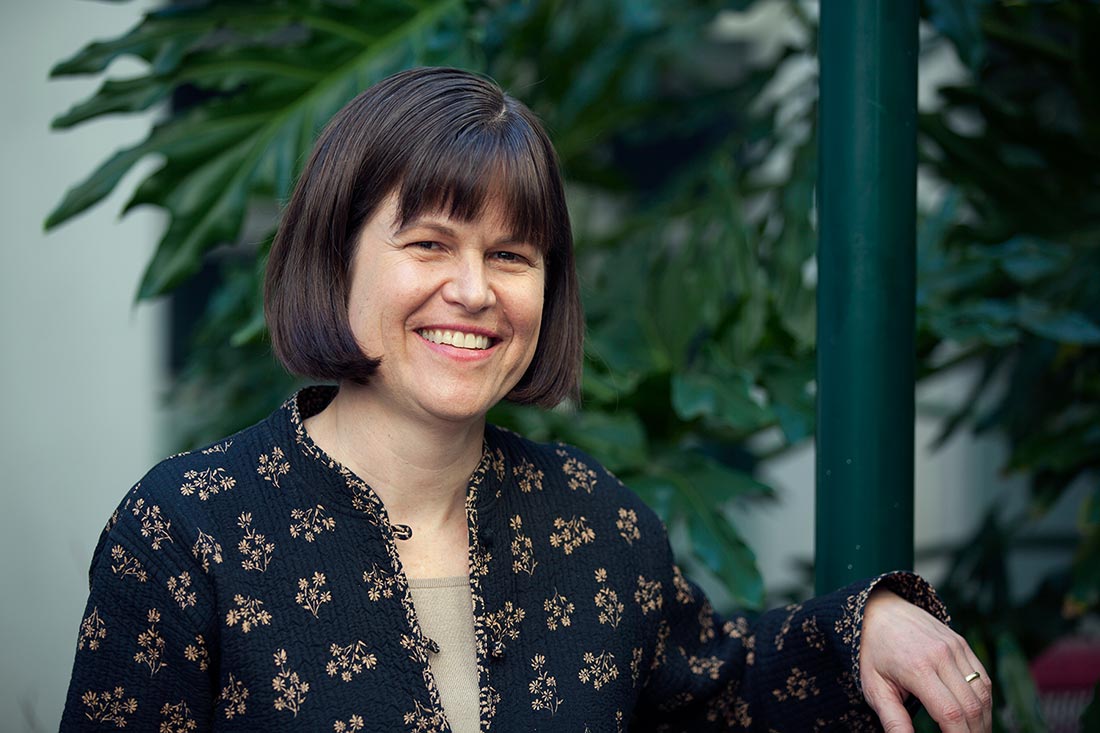
‘In my role I lead programs to promote, train, and develop the Aboriginal and Torres Strait Islander allied health workforce. I studied public health to get an understanding on how to co-design, implement and evaluate public health initiatives. A big selling point for me was the flexibility around the final semester of QUT’s masters program. I completed a dissertation, implementing the skills I learnt, in a topic I am passionate about.’
Postgraduate courses in public health
Give your career a booster shot with our flexible graduate diploma or masters degree in public health. Our courses are designed and delivered by experienced professionals who offer students insights into the industry.
Real graduate
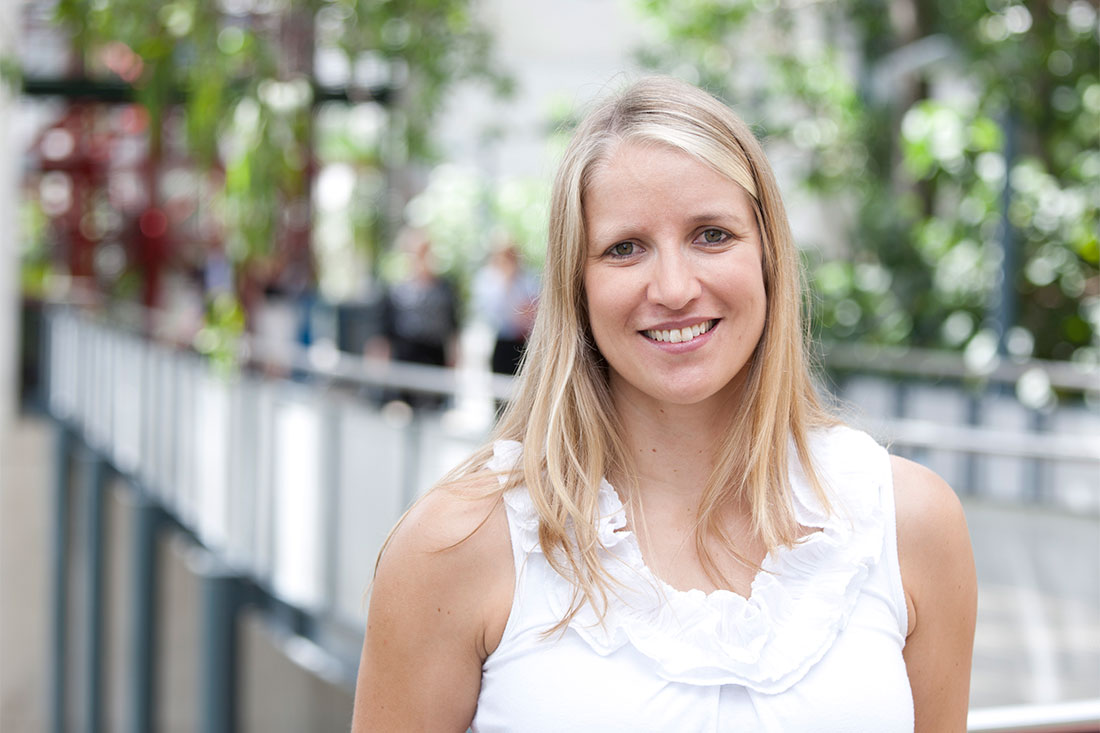
'I chose QUT for a number of reasons. As well as being an internationally recognised university, it provided a really flexible setting. I studied full-time from London and part-time from Bangladesh and Melbourne.'
Be a well-rounded professional
'QUT focuses on developing the hard and soft skills needed to become a health professional. I found epidemiology and statistics units to be my favourite parts of my course as the lecturers were supportive in areas where we needed help.'
Master of Public Health student
Diverse and valued study
'I wanted to be a part of the health sector where I am always in contact with people. The Master of Public Health was the perfect course for this due to the broad spectrum of careers it leads to. It includes every aspect of the health industry, has diverse options to choose from, and is a respected and valued study area in Australia. I definitely recommend QUT to others so that they get a chance to be a part of this supportive and fun environment that will help them enhance their skills and have a life-time of memories.'
Master of Public Health student from India
Make a difference
‘In my role I lead programs to promote, train, and develop the Aboriginal and Torres Strait Islander allied health workforce. I studied public health to get an understanding on how to co-design, implement and evaluate public health initiatives. A big selling point for me was the flexibility around the final semester of QUT’s masters program. I completed a dissertation, implementing the skills I learnt, in a topic I am passionate about.’




Highlights
- QUT offers Commonwealth Supported Places (CSP) to eligible domestic students enrolled in this course, which means a reduction in the fees you pay.
- Ideal for career change, professional advancement, and clinicians looking to expand their skills.
- Study online or on campus, with a mix of morning and evening classes to suit your schedule and commitments.
- Graduate with an internationally recognised qualification.
- Choose to combine your coursework with a project or dissertation.
- Specialise in emergency and disaster management, health promotion, health services management, epidemiology and research methods, or health, safety and environment.
- Complete in 2 years full time or 4 years part time. Applicants with a bachelor degree in a health-related area may be eligible for 48 credit points of advanced standing on entry to the course. This will reduce the course duration to 1.5 years full time or 3 years part time.
Highlights
- Ideal for career change, professional advancement, and clinicians looking to expand their skills.
- Specialise in emergency and disaster management, health promotion, health services management, epidemiology and research methods, or health, safety and environment.
- Graduate with an internationally recognised qualification.
- Choose to combine your coursework with a project or dissertation.
Why choose this course?
You believe everyone deserves the opportunity to live a healthy life. You understand that health is more than healthcare. You want to lead change to improve the health of communities.
Public health professionals work at the intersection of health and social justice. They address the causes of health inequities and advocate for better systems to improve health and wellbeing.
QUT's Master of Public Health is grounded in real-world applications. You'll build practical skills and strong analytical capability through applied learning that responds to current public health challenges across Australia and internationally.
This course will prepare you to:
- Lead work with communities and organisations to build self-determination and better health outcomes
- Critically analyse and influence the systems and policies that create health inequities
- Apply anti-racist and anti-oppressive approaches in public health leadership and practice
- Advocate for structural change across sectors from housing to education to employment
- Draw on advanced research and evidence, alongside community knowledge, to drive meaningful change
- Think upstream, addressing the root causes of poor health and health inequities.
Explore this course
Our public health programs are designed for professionals interested in a career in public health, mid-career professionals seeking advancement, and clinicians looking to broaden their range of expertise.
You can choose to study online or in person. All core units are offered online, and morning and evening classes are available, so you can fit your studies around your schedule.
You will develop core skills in epidemiology and biostatistics, and an understanding of contemporary and challenging population health issues.
You may choose to major in emergency and disaster management; epidemiology and research methods; health promotion; health, safety and environment; or select units from across the major study areas.
Our teaching staff are industry experts who will share their experience and insight. You’ll explore the social drivers of inequality including racism, poverty and discrimination.
You’ll learn to:
- plan, implement and evaluate health promotion programs
- inform and work collaboratively with other health professionals on population health issues
- Partner with communities and organisations to improve population health and wellbeing outcomes
- design, develop and implement public information campaigns using radio, television, newspapers, pamphlets, posters and websites.
You’ll put these learnings into practice and engage with industry and relevant public health organisations through a research project.
You’ll build advanced skills in advocacy, policy analysis, epidemiology and systems change to lead to positive impacts for communities.
Public health professionals promote population health and wellbeing in service areas such as food safety, disease control, prevention programs, health promotion and environmental health.
Our public health programs are designed for professionals interested in a career in public health, mid-career professionals seeking advancement and clinicians looking to broaden their range of expertise.
Students in this program obtain core skills in epidemiology and biostatistics, and an understanding of contemporary and challenging population health issues. You may choose to major in emergency and disaster management; epidemiology and research methods; health promotion; or select units from across the major study areas.
Careers and outcomes
Our graduates work wherever people's health can be influenced.
You might join a local, state or national government health department, a hospital or primary health network.
If you are interested in social welfare, graduates have been employed in government departments and international health aid organisations such as World Health Organisation and the Australian Agency for International Development and Community Aid Abroad.
Health promotion and public health positions are also available in a variety of local organisations including community organisations, housing services, disaster and emergency management agencies, refugee and migrant health services, environmental advocacy groups, Aboriginal and Torres Strait Islander health organisations.
Organisations like the National Heart Foundation, Diabetes Australia, and The Cancer Council provide employment opportunities.
Universities and research institutes, with peak bodies and professional associations, in private consulting firms or by launching their own social enterprise also require the skills of public health specialists.
Professional recognition
Graduates are eligible for membership of the Public Health Association of Australia, the Australian Health Promotion Association and the International Union for Health Promotion and Education.
Course articulation
Graduates of the masters program who have successfully completed a 48 credit point dissertation may apply for entry to the Master of Philosophy or the Doctor of Philosophy.
Course articulation
Graduates of the masters program who have successfully completed a 48 credit point dissertation may apply for entry to the Master of Philosophy or the Doctor of Philosophy.
Possible careers
- Community health officer
- Health promotion officer
- Policy officer
- Project manager
- Public health officer
The Master of Public Health consists of 192 credit points. You must complete 96 credit points of core units (eight units); a 48 credit point major (four units) and up to 48 credit points of research studies outlined below.
You will need to choose your major when commencing this degree as course structure is related to your major.
Majors available are:
- disaster and emergency response
- epidemiology and research methods
- health promotion
Students are also able to complete a cross-specialisation and complete units from all majors.
Research Studies
- Master of Public Health Dissertation Strand (1 x 48 credit point unit or 2 x 24 credit point units) OR
- Research Project Strand (1 x 24 credit point research project and 2 x 12 credit points of elective units or 1 x 12 credit point project and 3 x 12 credit points of electives)
Students are able to study flexibly (internal or online) for all core units and the majority of elective units in PU86. Check each unit outline for the internal and online availabilities.
The Master of Public Health consists of 192 credit points. You must complete 96 credit points of core units (eight units); a 48 credit point major (four units) and up to 48 credit points of research studies outlined below.
You will need to choose your major when commencing this degree as course structure is related to your major.
Majors available are:
- disaster and emergency response
- epidemiology and research methods
- health promotion
Students are also able to complete a cross-specialisation and complete units from all majors.
Research Studies
- Master of Public Health Dissertation Strand (1 x 48 credit point unit or 2 x 24 credit point units) OR
- Research Project Strand (1 x 24 credit point research project and 2 x 12 credit points of elective units or 1 x 12 credit point project and 3 x 12 credit points of electives)
Students are able to study flexibly (internal or online) for all core units and the majority of elective units in PU86. Check each unit outline for the internal and online availabilities.
- Course code
- PU86
- CRICOS code
- 084930G
-
- Kelvin Grove
-
- Kelvin Grove
- 1.5 - 2 years full-time
- 3 - 4 years part-time
- 2 years full-time
- February and July
- February and July
Entry requirements
2-year program
You must have a recognised bachelor degree (or higher qualification) in any discipline.
1.5-year program: all majors
You must have a recognised bachelor degree in one of the following disciplines:
-
Behavioural science, psychology
-
Health information management
-
Medicine (Australian degrees only)
-
Nursing
-
Nutrition, dietetics
-
Paramedic science
-
Public health
1.5-year program: cross specialisation
You must have a recognised bachelor degree in one of the following disciplines:
-
Any other health discipline not listed above
-
Biomedical science
-
Human services
-
Journalism
-
Media and communication
-
Medical laboratory science
-
Social work
Minimum academic requirements
Entry requirements
2-year program
You must have a recognised bachelor degree (or higher qualification) in any discipline.
1.5-year program: all majors
You must have a recognised bachelor degree in one of the following disciplines:
-
Behavioural science, psychology
-
Health information management
-
Medicine (Australian degrees only)
-
Nursing
-
Nutrition, dietetics
-
Paramedic science
-
Public health
1.5-year program: cross specialisation
You must have a recognised bachelor degree in one of the following disciplines:
-
Any other health discipline not listed above
-
Biomedical science
-
Human services
-
Journalism
-
Media and communication
-
Medical laboratory science
-
Social work
Minimum English language requirements
Select the country where you completed your studies to see a guide on meeting QUT’s English language requirements.
Your scores and prior qualifications in English-speaking countries are considered. Approved English-speaking countries are Australia, Canada, England, Ireland, New Zealand, Scotland, United States of America and Wales.
If your country or qualification is not listed, you can still apply for this course and we will assess your eligibility.
We accept English language proficiency scores from the following tests undertaken in a secure test centre. Tests must be taken no more than 2 years prior to the QUT course commencement.
| English Test | Overall | Listening | Reading | Writing | Speaking |
|---|---|---|---|---|---|
| IELTS Academic / One Skill Retake | 6.5 | 6 | 6 | 6 | 6 |
|
Cambridge C1 Advanced
You must share your results with QUT through the Candidate Results Online website. |
176 | 169 | 169 | 169 | 169 |
| LANGUAGECERT Academic (LCA) | 67 | 57 | 60 | 64 | 70 |
| Michigan English Test (MET) | 58 | 56 | 55 | 57 | 48 |
| PTE Academic | 59 | 50 | 50 | 51 | 54 |
| TOEFL iBT Australia Test (120 scale) | 79 | 16 | 16 | 19 | 19 |
Don't have the English language score you need? We can help!
We offer English language programs to improve your English and help you gain entry to this course.
When you apply for this course, we will recommend which English course you should enrol in.
Your actual fees may vary depending on which units you choose. We review fees annually, and they may be subject to increases.
2027 fees
2027: CSP $9,400 per year full-time (96 credit points)
2027 fees
2027: $42,400 per year full-time (96 credit points)
2026 fees
2026: $28,600 per year full-time (96 credit points)
2026 fees
2026: $40,800 per year full-time (96 credit points)
Student services and amenities fees
You may need to pay student services and amenities (SA) fees as part of your course costs.
FEE-HELP: loans to help you pay for your course fees
You may not have to pay anything upfront if you're eligible for a FEE-HELP loan.
Student services and amenities fees
You may need to pay student services and amenities (SA) fees as part of your course costs.
You can apply for scholarships to help you with study and living costs.
Equity scholarships scheme
A scholarship for low-income students studying in any faculty.
- Scholarship eligibility
- Struggling financially
International Merit Scholarship
A high achievement scholarship for future international undergraduate and postgraduate students.
- Scholarship eligibility
- Academic performance
International Talent Scholarship
A new scholarship for 2026 that covers tuition fees, with eligibility based on your prior academic achievements.
- Scholarship eligibility
- Academic performance
Keep up to date
Ready for your next step?
Finishing school?
Everything you need to know about choosing a uni straight from school.
How to apply
We'll break down the application process, from QTAC to accepting your offer.
Ready for your next step?
How to apply
We'll break down the process, from applying to accepting your offer.
Flexible study
Explore the options that could make postgraduate study work for you.
QUT courses for you
Like to save your courses?
Please enter your first name and email so we can save your courses for you