 Apply now
 How to apply
 Save course for later
 Send me a PDF copy
 I want more info
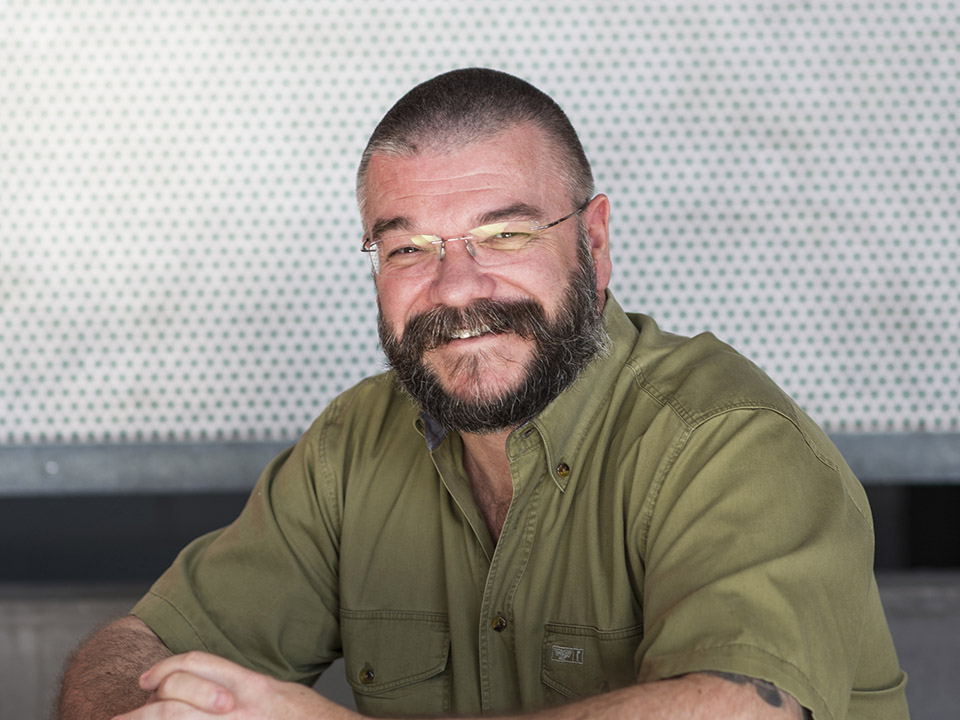
Hear from a radiation therapy student
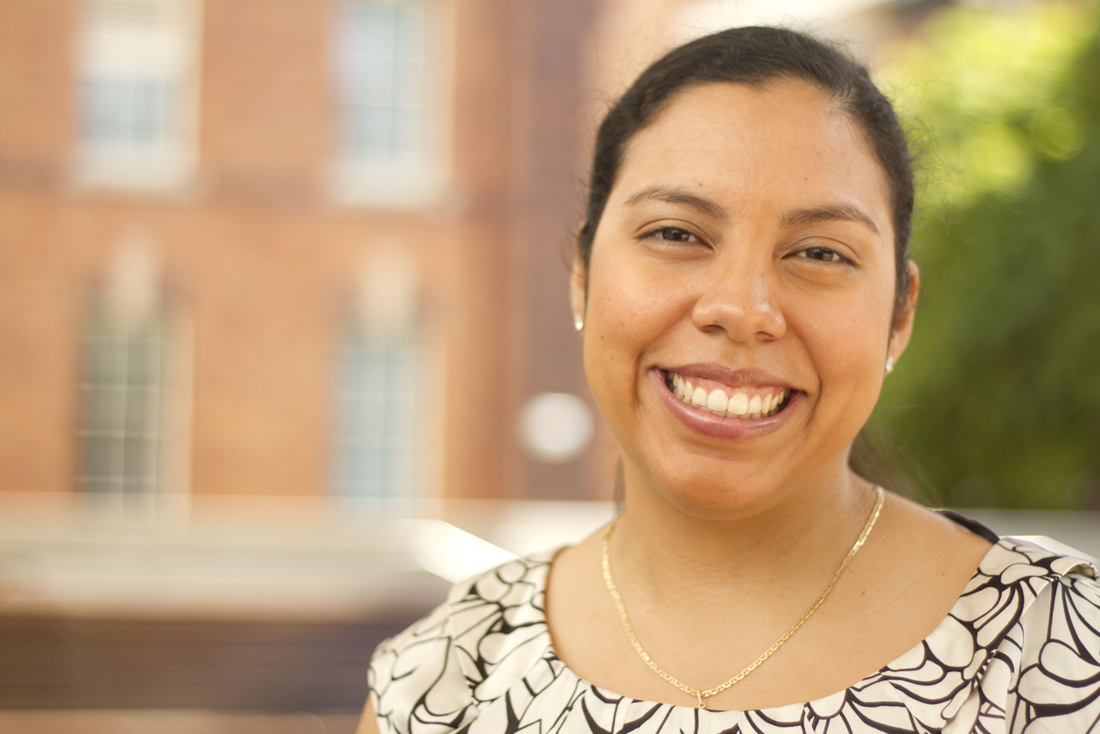
Learn about QUT's radiation therapy course through Amelia Brink's perspective.
Combine theory with practice
'Radiation therapy interested me due to its combination of technical skills, ever-changing research, and engaging interactions with patients. I chose QUT because it seamlessly incorporated in-class theory with real-world experience. I enjoyed completing placements across the country in many different departments. This hands-on experience was a definite confidence booster and improved my knowledge and skills.'
Radiation therapy
Considering a career in radiation therapy? Our Bachelor of Radiation Therapy is a vocational degree that provides graduates with a specialised qualification for a career in radiation therapy treatment for cancer patients.
World-class training facilities
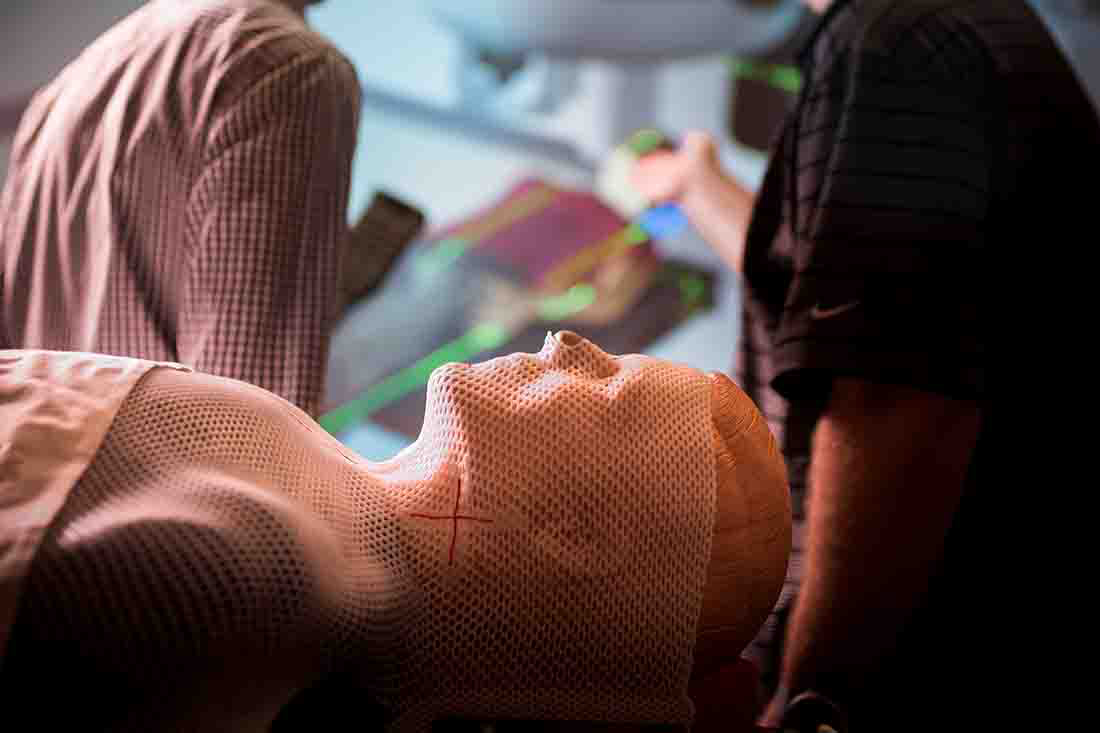
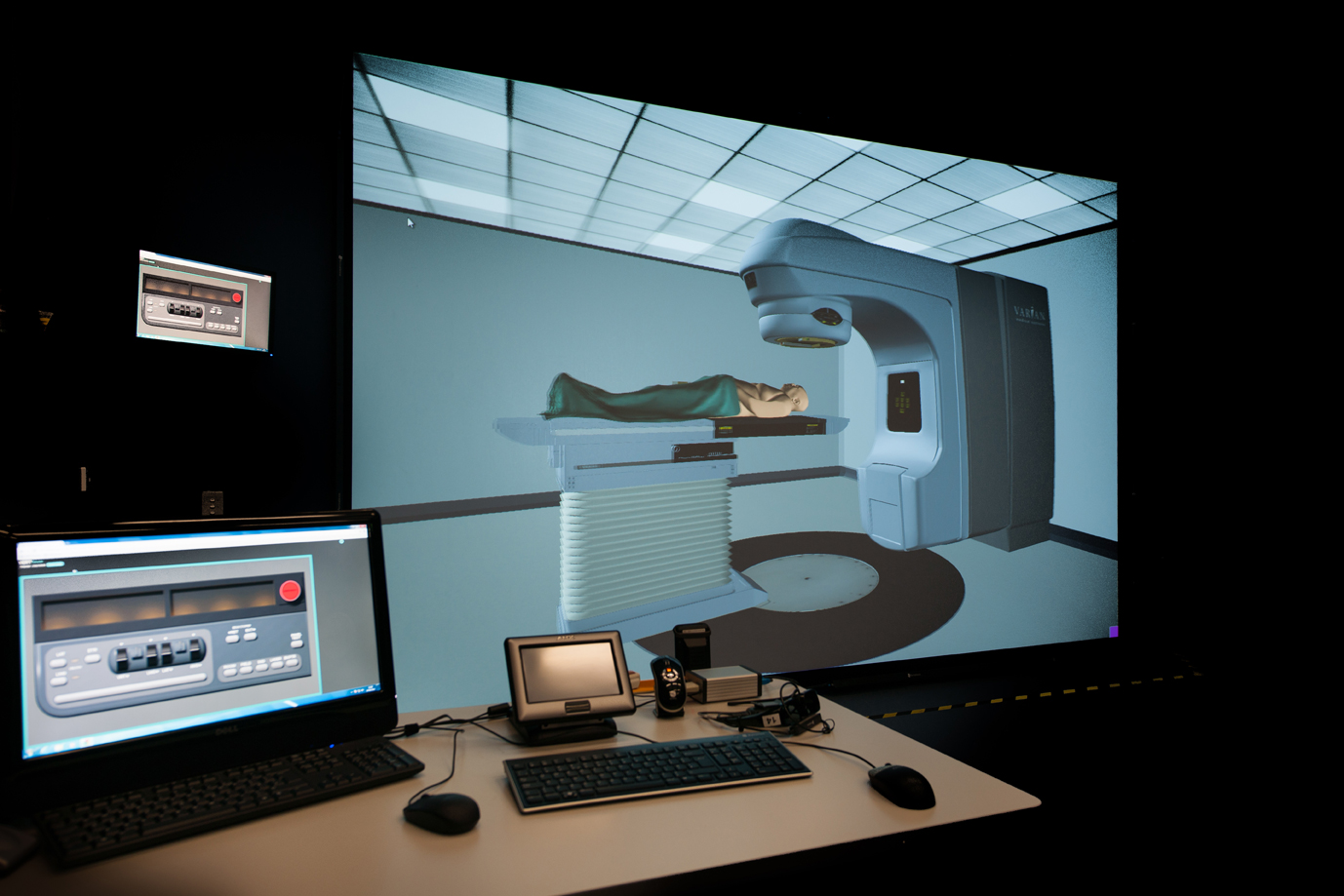
Our new Virtual Environment for Radiotherapy Training (VERT) Suite provides a virtual radiation therapy treatment room. Students can view and treat a virtual patient using 3D glasses, with the added bonus of being able to view the internal organs and actually see where the radiation therapy beam is being directed.
Hear from a radiation therapy student
Learn about QUT's radiation therapy course through Amelia Brink's perspective.
Combine theory with practice
'Radiation therapy interested me due to its combination of technical skills, ever-changing research, and engaging interactions with patients. I chose QUT because it seamlessly incorporated in-class theory with real-world experience. I enjoyed completing placements across the country in many different departments. This hands-on experience was a definite confidence booster and improved my knowledge and skills.'
Radiation therapy
Considering a career in radiation therapy? Our Bachelor of Radiation Therapy is a vocational degree that provides graduates with a specialised qualification for a career in radiation therapy treatment for cancer patients.
World-class training facilities
Our new Virtual Environment for Radiotherapy Training (VERT) Suite provides a virtual radiation therapy treatment room. Students can view and treat a virtual patient using 3D glasses, with the added bonus of being able to view the internal organs and actually see where the radiation therapy beam is being directed.

Highlights
- Learn about the interaction of radiation on body tissue, treatment planning using clinical software, and treatment delivery.
- Clinical placement begins during first year and allows you to practise your communication, caring and technical skills with real patients.
- Prepare for a career as a radiation therapist, treating cancer patients and planning and delivering prescribed radiation doses.
Highlights
- Learn about the interaction of radiation on body tissue, treatment planning using clinical software, and treatment delivery.
- Clinical placement begins during first year and allows you to practise your communication, caring and technical skills with real patients.
- Prepares you for a career as a radiation therapist, treating cancer patients and planning and delivering prescribed radiation doses.
Why choose this course?
We offer Queensland’s only university degree in radiation therapy.
This course has been designed in consultation with clinical staff from industry. You will learn from registered professionals with extensive experience.
You will gain clinical skills and hands-on experience from your first semester.
The Bachelor of Radiation Therapy is a professional degree. It provides graduates with a highly specialised qualification in Radiation Therapy.
This degree is only offered on a full-time basis. The course is not designed as a bridging course for a different career.
Your studies will cover the interaction of radiation on body tissue, radiation therapy treatment planning, image matching, and treatment delivery in a virtual environment.
Real-world learning
Our on-campus facilities incorporate technology and equipment to develop your confidence and experience.
The Virtual Environment for Radiotherapy Training uses augmented reality technology. You will practice your skills while immersed in a virtual environment. Use life-sized virtual radiation therapy equipment to deliver treatment to virtual patients.
By practising in our facilities you will build confidence. You'll hone fundamental skills using specialist clinical computer programs and the virtual treatment environment.
You will start supervised clinical experience during first semester in your first year. Students spend significant time on placement in the second, third and fourth years with approximately 40 weeks over the four years. Travel and accommodation is self-funded however bursaries and scholarships may be available.
Professional placement allows you to apply your skills and explore different settings.
Placements are available in private and public radiation therapy departments. You will have opportunities to undertake placement throughout Queensland and interstate.
Explore this course
Radiation therapy is a rewarding career. It combines patient care and emotional support with science and technology.
Radiation therapists work as part of a multidisciplinary medical team. They plan and deliver highly accurate radiation treatment to cancer patients.
Typically, a patient receiving radiation therapy will see the radiation therapist every day for several weeks. You will need to be able to demonstrate empathy and a caring nature towards a wide range of patients.
Work Integrated Learning
You will undertake approximately 40 weeks of Work Integrated Learning clinical placement throughout the radiation therapy program, commencing in Year 1, Semester 1.
You will complete placement in a variety of settings, including public and private hospitals, private practices and regional/interstate centres.
Inherent requirements
There are some essential skills and abilities that you need in order to meet the core learning outcomes of your course or unit and for you to succeed in your career when you graduate.
Find out more about the inherent requirements for radiation therapy.
Honours pathway
In the first semester of third year, you will have the option to submit an expression of interest for the Bachelor of Radiation Therapy (Honours). This option is available for high performing students with a GPA greater than 6.0.
Studying honours involves completing a clinically based research project. Which will extend your knowledge of the field. On entry to honours you will retain the credit you have successfully completed in the Bachelor of Radiation Therapy.
Honours is completed within the same time period as the bachelor degree. Honours units are substituted for bachelor units. Both the Bachelor of Radiation Therapy and the Bachelor of Radiation Therapy (Honours) are completed in 4 years, full time.
Careers and outcomes
Graduates of this course may work as a radiation therapist in the Radiation Therapy department of a private or public facility.
There are regional shortages for radiation therapists across Australia (Australian Government Occupational Shortage List 2025). Graduates looking to live and work in regional communities have very strong employment prospects.
Research and educational opportunities are also available.
Professional recognition
This course is an approved program of study with the Medical Radiation Practice Board of Australia (MRPBA). All graduates from the Bachelor of Radiation Therapy or Bachelor of Radiation Therapy (Honours) are eligible to apply for general registration with the MRPBA.
Student registration
QUT automatically registers students enrolled in this course with the Medical Radiation Practice Board of Australia in accordance with the Health Practitioner Regulation National Law Act 2009. Details about student registration are available from the Australian Health Practitioner Regulation Agency at www.ahpra.gov.au.
Possible careers
- Radiation therapist
- ATAR/selection rank threshold
- 96.50
These thresholds are the lowest adjusted scores to which QUT made an offer in Semester 1, 2026.
Don't have a ATAR/selection rank?
- Course code
- CS49
- QTAC code
- 418192
-
- Gardens Point
- 4 years full-time
- February
Assumed knowledge
Before you start this course, we assume you have sound knowledge of the subject/s listed below. If you don't have the subject knowledge, you can still apply for the course but we strongly encourage you to undertake bridging studies to gain the knowledge:
- English, or Literature, or English and Literature Extension, or English as an Additional Language (Units 3 & 4, C)
- Mathematical Methods, or Specialist Mathematics (Units 3 & 4, C)
- Physics (Units 3 & 4, C)
Adjustments to your ATAR/selection rank
Adjustments from the Year 12 Subject Scheme do not apply to this course. Any other adjustments you receive to your ATAR or selection rank will be applied to this course.
Find out if you're eligible for an adjustment to your ATAR or selection rank
Overseas qualifications
QUT will consider equivalent overseas qualifications for admissions purposes. If you have tertiary qualifications from countries where English is not the standard language of instruction, you must provide evidence of English language proficiency.
English language proficiency
We require students to demonstrate they can speak, write, read and comprehend academic English to a specified standard.
Our English proficiency requirements for this course are:
- IELTS Academic / One Skill Retake: 7.0 or better overall with no subscore below 6.5
- PTE Academic: 66 or better overall with a writing subscore of 60 or better and no other subscore below 58
- TOEFL iBT Australia Test (120 scale): 98 or better overall with a writing subscore of 24 or better, and no other subscore below 20
- Cambridge C1 Advanced: 185 or better overall with reading and writing subscores of 182 or better and no other subscore below 176
The test must have been completed within 2 years prior to the proposed course start month.
Advanced standing
If you have prior studies or work experience, you may be eligible for advanced standing (credit). You can apply for advanced standing once you've been accepted to QUT. If you're in your first semester of study, you must apply for advanced standing within 10 days of receiving your offer.
Deferment
You can defer your offer and postpone the start of your course for one year.
More about deferring your offer
Offers we made to school leavers in Semester 1, 2026
The figures listed in the tables below reflect the offers that were made to recent ATAR students. The entry thresholds box at the top of this page shows the lowest adjusted ATAR/selection rank required to receive an offer for all applicants for the most recent January QTAC offer round.
| Excluding adjustments | Including adjustments | |
|---|---|---|
| Highest ATAR/selection rank to receive an offer |
Selection rank
99.10
|
Selection rank
99.95
|
| Median ATAR/selection rank to receive an offer |
Selection rank
96.85
|
Selection rank
97.95
|
| Lowest ATAR/selection rank to receive an offer |
Selection rank
86.55
|
Selection rank
96.50
|
You can find out more about your fellow students’ backgrounds with this course’s student profile.
Other admission options
If you are of Aboriginal or Torres Strait Islander descent, you may be eligible for admission through our Centralised Assessment Selection Process (CASP).
I completed my studies outside of Australia
Assumed knowledge
- Mathematical Methods, or Specialist Mathematics (Units 3 & 4, C)
- Physics (Units 3 & 4, C)
You must have achieved this study at a level comparable to Australian Year 12 or in recognised post-secondary studies.
I completed secondary school in Australia
Assumed knowledge
Before you start this course we assume you have sound knowledge in these areas:
- Mathematical Methods, or Specialist Mathematics (Units 3 & 4, C)
- Physics (Units 3 & 4, C)
- ATAR/selection rank
- 96.50
Minimum English language requirements
Select the country where you completed your studies to see a guide on meeting QUT’s English language requirements.
Your scores and prior qualifications in English-speaking countries are considered. Approved English-speaking countries are Australia, Canada, England, Ireland, New Zealand, Scotland, United States of America and Wales.
If your country or qualification is not listed, you can still apply for this course and we will assess your eligibility.
We accept English language proficiency scores from the following tests undertaken in a secure test centre. Tests must be taken no more than 2 years prior to the QUT course commencement.
| English Test | Overall | Listening | Reading | Writing | Speaking |
|---|---|---|---|---|---|
| IELTS Academic / One Skill Retake | 7 | 6.5 | 6.5 | 6.5 | 6.5 |
|
Cambridge C1 Advanced
You must share your results with QUT through the Candidate Results Online website. |
185 | 176 | 185 | 182 | 176 |
| LANGUAGECERT Academic (LCA) | 73 | 62 | 65 | 71 | 76 |
| Michigan English Test (MET) | 62 | 59 | 59 | 64 | 53 |
| PTE Academic | 63 | 54 | 54 | 60 | 58 |
| TOEFL iBT Australia Test (120 scale) | 91 | 20 | 20 | 23 | 20 |
Don't have the English language score you need? We can help!
We offer English language programs to improve your English and help you gain entry to this course.
When you apply for this course, we will recommend which English course you should enrol in.
Course requirements
There are requirements that you will need to meet as a student in this course. You will need to ensure you allow sufficient time to meet them. Some of these requirements have associated costs.
Inherent requirements
There are some essential skills and abilities that you need in order to meet the core learning outcomes of your course or unit and for you to succeed in your career when you graduate.
Find out more about the inherent requirements for radiation therapy.
Mandatory notifications
While you are registered as a student with the Australian Health Practitioner Regulation Agency (AHPRA), QUT has an obligation to notify AHPRA if you have an impairment that may place the public at substantial risk of harm when undertaking clinical training. Find out more about the guidelines for mandatory notifications.
Work Integrated Learning placement costs
There will be additional costs associated with your Work Integrated Learning placements, such as:
- hepatitis B and other vaccinations
- CPR course
- uniforms (including footwear)
- criminal history checks
- travel (e.g. public transport, your vehicle expenses, parking, flights for rural/regional/ placements)
- accommodation (for rural and regional placements).
You are required to maintain suitable dress standards (including appropriate footwear) in clinical and placement situations. You will be required to purchase a clinical uniform.
When planning finances, you should consider that you may need to reduce or temporarily cease work commitments during placement periods to maintain the required attendance.
Information is available from the Additional course requirements and costs website.
Blue card
You must undergo a criminal history check for working with children and be issued with a suitability card (blue card) before commencing clinical placement/practicum in an organisation where you may work with children or young people.
There is no charge for student blue cards. However, processing can take up to eight business days or longer if Blue Card Services requires further information.
You must submit your blue card application as early as possible to ensure you have your card before you begin any unit that requires contact with children.
Students who already have a blue card must register it with QUT.
Technology
You will need access to a reliable computer with an internet connection, webcam, headset and microphone as we conduct many health units using blended learning modes and deliver learning material electronically.
International student entry
This course is not available for entry to international students.


Your actual fees may vary depending on which units you choose. We review fees annually, and they may be subject to increases.
2027 fees
2027: CSP $9,800 per year full-time (96 credit points)
Additional Costs
There are requirements that you will need to meet as a student in this course. Some of these requirements have associated costs. Information is available from the Additional course requirements and costs website.
2027 fees
Additional Costs
There are requirements that you will need to meet as a student in this course. Some of these requirements have associated costs. Information is available from the Additional course requirements and costs website.
2026 fees
2026: CSP $9,500 per year full-time (96 credit points)
Additional Costs
There are requirements that you will need to meet as a student in this course. Some of these requirements have associated costs. Information is available from the Additional course requirements and costs website.
Student services and amenities fees
You may need to pay student services and amenities (SA) fees as part of your course costs.
HECS-HELP: loans to help you pay for your course fees
You may not have to pay anything upfront if you're eligible for a HECS-HELP loan.
Student services and amenities fees
You may need to pay student services and amenities (SA) fees as part of your course costs.
You can apply for scholarships to help you with study and living costs.
QUT Excellence Scholarship (Academic)
QUT's premier offering for students with outstanding academic achievement.
- Scholarship eligibility
- Academic performance
Equity scholarships scheme
A scholarship for low-income students studying in any faculty.
- Scholarship eligibility
- Struggling financially
QUT Elite Sport Scholarship
Supports national-level athletes from recognised sporting pathways.
- Scholarship eligibility
- Sporting excellence
Keep up to date
Ready for your next step?
Finishing school?
Everything you need to know about choosing a uni straight from school.
How to apply
We'll break down the application process, from QTAC to accepting your offer.
Ready for your next step?
How to apply
We'll break down the process, from applying to accepting your offer.
Flexible study
Explore the options that could make postgraduate study work for you.
QUT courses for you
Like to save your courses?
Please enter your first name and email so we can save your courses for you