 Apply now
 How to apply
 Save course for later
 Send me a PDF copy
 I want more info
Celebrating 50 years of nutrition and dietetics
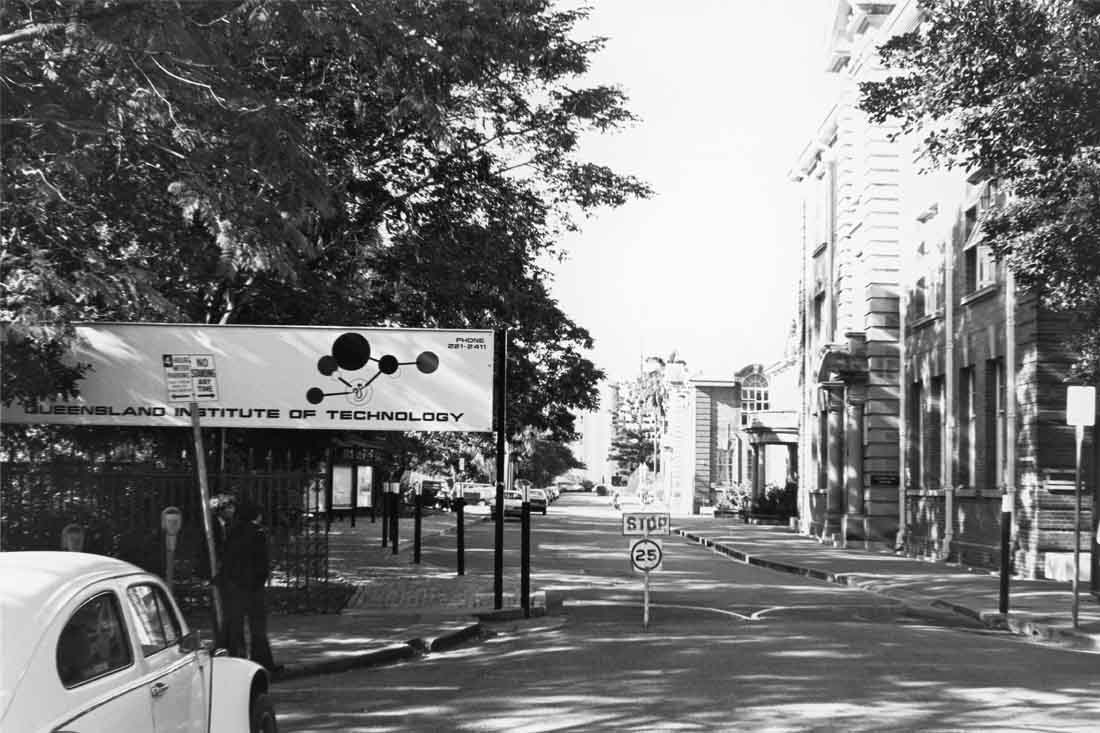
Look back at the fascinating timeline and explore the origins of this course.
Go your own way
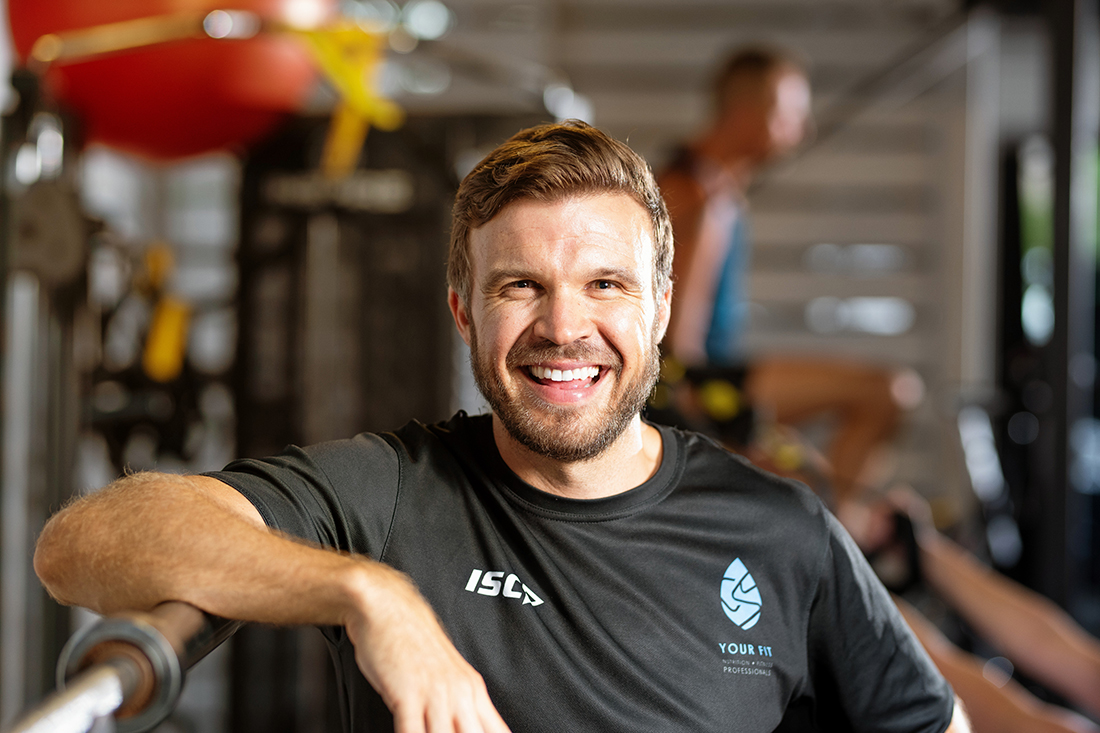
I chose to study nutrition and dietetics at QUT because I love food, health, and people. The placement year was very challenging but provided insight into how wide the career scope for dietitians can be. I went from designing menus at an acquired brain injury unit to delivering corporate health days. I’m now helping people with their diet and exercise in my own business, Your Fit.
Celebrating 50 years of nutrition and dietetics
Look back at the fascinating timeline and explore the origins of this course.
Go your own way
I chose to study nutrition and dietetics at QUT because I love food, health, and people. The placement year was very challenging but provided insight into how wide the career scope for dietitians can be. I went from designing menus at an acquired brain injury unit to delivering corporate health days. I’m now helping people with their diet and exercise in my own business, Your Fit.
Highlights
- Enjoy a career as a dietitian and/or nutritionist in industries including health, food, research, wellness, media, government, non-government, not-for profit, university and corporate sectors.
- Pathway for nutrition science graduates to become qualified to work as a dietitian.
- Learn from industry leaders with experience in areas, including clinical dietetics, private practice, sports dietetics, foodservice management, community nutrition, paediatric dietetics, Aboriginal and Torres Strait Islander health, food sustainability, food security and nutrition research.
- Gain hands-on experience providing nutrition assessments and dietary advice to real clients in QUT Health Clinics.
- Complete professional placements in community health centres, hospitals, aged care facilities, sporting organisations, with opportunities to travel to regional areas or overseas.
- Eligible for membership to Dietitians Australia and professional recognition to be an Accredited Practising Dietitian a requirement to work in hospitals and in private practice for Medicare rebate and attract private health insurance claims.
Highlights
- Enjoy a career as a dietitian and/or nutritionist in industries including health, food, research, wellness, media, government, non-government, not-for profit, university and corporate sectors.
- Pathway for nutrition science graduates to become qualified to work as a dietitian.
- Learn from industry leaders with experience in areas, including clinical dietetics, private practice, sports dietetics, foodservice management, community nutrition, paediatric dietetics, Aboriginal and Torres Strait Islander health, food sustainability, food security and nutrition research.
- Gain hands-on experience providing nutrition assessments and dietary advice to real clients in QUT Health Clinics.
- Complete professional placements in community health centres, hospitals, aged care facilities, sporting organisations, with opportunities to travel to regional areas or overseas.
- Eligible for membership to Dietitians Australia and professional recognition to be an Accredited Practising Dietitian a requirement to work in hospitals and in private practice for Medicare rebate and attract private health insurance claims.
Why choose this course?
Turn your fascination with nutrition and your desire to help others into a rewarding career.
Whether you’re a foodie, a future scientist or someone who appreciates the power of food to improve health and quality of life, this vertical double degree can unlock many career pathways.
Dietitians use advanced knowledge in the science of nutrition to advise on appropriate diet, food preparation and menu planning to treat nutrition-related disease in individuals, groups, community programs, developing nutrition technology or in population health.
You will gain the industry recognised qualifications to pursue a career in nutrition and dietetics as a dietitian. All accredited dietitians are qualified as nutritionists and may use the nutritionist title when they are working on programs that address community health.
QUT has offered an industry accredited program for more than 50 years and is recognised for delivering job ready graduates who are in demand and securing competitive graduate employment positions
Real-world learning
Healthcare is rapidly advancing thanks to scientific research, new innovations such as incretin mimetics (GLP-1 receptor agonists), immunotherapies, and continuous blood glucose monitoring and other wearable technology, and emerging technologies like generative AI.
Health information is more accessible than ever before, which also brings misinformation. We need expert health communicators to help consumers stay well informed.
QUT ensures our graduates are qualified experts in health to provide scientifically grounded advice and best practice care. This course offers you a competitive advantage in the workplace with our unique research and quality projects linking you to industry partners, while you are studying.
You will become a critical thinker with a strong foundation in research and advanced skills to lead complex projects and evaluations. You will graduate as part of a connected cohort of professionals with strong links to existing alumni and to the industry.
Explore this course
You will learn critical thinking and problem-solving skills directly from industry leaders.
Our lecturers come from industry and bring their experience in areas including clinical dietetics, sports dietetics, foodservice management, community nutrition, paediatric dietetics Indigenous health, food sustainability and food security. They hold senior positions on industry boards and councils, and many also lead projects and government initiatives to improve population health and nutrition.
These close links with industry ensure your study is relevant and you will be prepared to meet the demands of the profession in evolving and emerging sectors including healthcare, hybrid careers, wellness, research, and government and policy.
You’ll learn how the work of dietitians contributes to the promotion of health, the prevention and treatment of disease such as diabetes, chronic kidney disease and cancer, and optimal health maintenance.
You’ll have opportunities to practice your skills through placement in real-world industry settings, and at QUT clinics and community events.
Work Integrated Learning
During this course you will be required to complete a minimum of 760 hours of professional placement.
QUT will prepare you with strong clinical skills and experience treating real patients in the QUT Health Clinics. While completing your master you will gain hands-on experience providing nutrition assessments and tailored dietary advice to real clients in QUT Health Clinics.
Under the supervision of Accredited Practising Dietitians (APDS), you will provide tailored dietary advice for the management of chronic disease, before and after surgery, eating disorders, food intolerance and allergies, and a range of other conditions.
You will also complete professional placements in settings including community health centres, hospitals, as part of outreach programs, in aged care facilities, or sporting organisations. In the past students have worked with the Brisbane Roar, the Queensland Academy of Sport and the Australian Cancer Council.
You can undertake rural, regional or remote placements to make a big impact on communities. Students have opportunities to contribute to solving nutrition problems, maximising health using limited ingredients or working around food costs.
Your placement will offer connections with future employers and gives you the opportunity to experience different areas and ways of working in the industry. Placement can help you find your passion and give you the skills and experience to stand out.
Careers and outcomes
Graduates have a range of career pathways.
They can provide medical nutrition therapy to clients in the management of disease and illness in hospitals, private practice, community health centres and nursing homes.
They can work in a range of roles with foodservices including as a consultant or manager to plan and assure food and nutrition and sustainable, quality systems in hospitals and residential aged care.
They may also consult to the food industry on product development and marketing, prepare educational resources for industry, schools and community, or develop food and nutrition policies for government and non-government organisations.
They can also follow careers in academia, research, business, corporate health and social media.
Accredited Practising Dietitians work alongside health professionals in hospitals and community settings to deliver therapeutic diets and dietary counselling to individuals or groups.
Professional recognition
The Master of Nutrition and Dietetics is accredited by the Dietitians Australia and graduates are eligible to apply for the Accredited Practising Dietitian credential. APD status is a requirement for medical benefit rebates.
Graduates of the Master of Nutrition and Dietetics can apply for membership to Dietitians Australia, the Public Health Association of Australia, Sports Medicine Australia, the Nutrition Society and other bodies.
Clinical dietitians can work in hospitals or outpatient settings or in private practice with individual clients or groups to help treat or manage their disease. Foodservice dietitians work in many setting to provide safe and nutritious foods.
As a graduate of the Bachelor of Nutrition Science, you would also be eligible to apply for membership of the Public Health Association of Australia and the Nutrition Society.
Possible careers
- Community nutritionist
- Dietitian
- Entrepreneur
- Food scientist
- Health educator
- Health policy officer
- Health promotion officer
- Health researcher
- Media industry specialist
- Nutritionist
- Public health officer
- Wellness consultant
- Course code
- XN90
- CRICOS code
- 120800C
-
- Kelvin Grove
-
- Kelvin Grove
- 1.5 years full-time
- 1.5 years full-time
- July
- July
Entry requirements
You must have a recognised Australian nutrition science or nutrition bachelor degree completed in 2017 or more recently with a minimum volume of learning of 1.625 years full-time (or equivalent).
Prerequisites
Within your undergraduate Australian degree in nutrition science or nutrition you must have successfully completed the below QUT units or equivalent:
- XNB250 Food Chemistry and Technology OR 0.125 EFSTL (12cp at QUT) - second or first year level unit in food studies; plus
- HLB001 Health Needs of Aboriginal and Torres Strait Islander Australians OR 0.125 EFSTL (12cp) - second or first year level unit in Indigenous heath studies; plus
- XNB149 Nutrition Communication OR 0.125 EFSTL (12cp) - second or first year level units in nutrition communications and/or counselling studies; plus
- XNB251 Nutrition Science, XNB252 Food and Nutrition Across the Lifecycle & XNB255 Nutritional Epidemiology OR 0.375 EFSTL (36cp) - second year level units in human nutrition/nutrition epidemiology; plus
- LQB381 Biochemistry: Structure and Function, LQB388 Medical Physiology 1 & LQB481 Biochemical Pathways and Metabolism & LQB488 Medical Physiology 2 OR 0.500 EFSTL (48cp) - second year level units in biochemistry/physiology; plus
- XNB345 Advanced Food and Nutrition, XNH350 Community and Public Health Nutrition & XNB346 Nutrition Therapy Counselling and Practice 1 OR 0.375 EFSTL (36cp)- third year level studies in community public heath nutrition, advanced food, human nutrition and nutrition therapy.
English language proficiency
We require students to demonstrate they can speak, write, read and comprehend academic English to a specified standard.
Our English proficiency requirements for this course are:
- IELTS Academic / One Skill Retake: 7.0 or better overall with no subscore below 6.5.
- Cambridge C1 Advanced: 185 or better overall with reading subscore of 182 or better and no other subscore below 176.
- LANGUAGECERT Academic (LCA): 73 or better overall with a listening subscore of 62 or better, a reading subscore of 65 or better, a writing subscore of 71 or better, and a speaking subscore of 76 or better.
- Michigan English Test (MET): 62 or better overall with a writing subscore of 64 or better, listening and reading subscores of 59 or better, and speaking subscore of 53 or better.
- PTE Academic: 63 or better overall with a listening subscore of 58 or better, a reading subscore of 59 or better, a writing subscore of 69 or better, and a speaking subscore of 76 or better.
- TOEFL iBT Australia Test (120 scale): 91 or better overall with a listening subscore of 22 or better, a reading subscore of 22 or better, a writing subscore of 27 or better, and a speaking subscore of 24 or better.
The test must have been completed within 2 years prior to the proposed course start month.
Minimum academic requirements
Entry requirements
You must have a recognised Australian nutrition science or nutrition bachelor degree completed within the past 10 years prior to course commencement with a minimum volume of learning of 1.625 years full-time (or equivalent).
Prerequisites
Within your undergraduate Australian degree in nutrition science or nutrition you must have successfully completed the below QUT units or equivalent:
- XNB250 Food Chemistry and Technology OR 0.125 EFSTL (12cp at QUT) - second or first year level unit in food studies; plus
- HLB001 Health Needs of Aboriginal and Torres Strait Islander Australians OR 0.125 EFSTL (12cp) - second or first year level unit in Indigenous heath studies; plus
- XNB149 Nutrition Communication OR 0.125 EFSTL (12cp) - second or first year level units in nutrition communications and/or counselling studies; plus
- XNB251 Nutrition Science, XNB252 Food and Nutrition Across the Lifecycle & XNB255 Nutritional Epidemiology OR 0.375 EFSTL (36cp) - second year level units in human nutrition/nutrition epidemiology; plus
- LQB381 Biochemistry: Structure and Function, LQB388 Medical Physiology 1 & LQB481 Biochemical Pathways and Metabolism & LQB488 Medical Physiology 2 OR 0.500 EFSTL (48cp) - second year level units in biochemistry/physiology; plus
- XNB345 Advanced Food and Nutrition, XNH350 Community and Public Health Nutrition & XNB346 Nutrition Therapy Counselling and Practice 1 OR 0.375 EFSTL (36cp)- third year level studies in community public heath nutrition, advanced food, human nutrition and nutrition therapy.
Minimum English language requirements
Select the country where you completed your studies to see a guide on meeting QUT’s English language requirements.
Your scores and prior qualifications in English-speaking countries are considered. Approved English-speaking countries are Australia, Canada, England, Ireland, New Zealand, Scotland, United States of America and Wales.
If your country or qualification is not listed, you can still apply for this course and we will assess your eligibility.
We accept English language proficiency scores from the following tests undertaken in a secure test centre. Tests must be taken no more than 2 years prior to the QUT course commencement.
| English Test | Overall | Listening | Reading | Writing | Speaking |
|---|---|---|---|---|---|
| IELTS Academic / One Skill Retake | 7 | 7 | 7 | 7 | 7 |
|
Cambridge C1 Advanced
You must share your results with QUT through the Candidate Results Online website. |
185 | 185 | 185 | 193 | 194 |
| PTE Academic | 63 | 58 | 59 | 69 | 76 |
Don't have the English language score you need? We can help!
We offer English language programs to improve your English and help you gain entry to this course.
When you apply for this course, we will recommend which English course you should enrol in.
Blue card
This course requires you to have a blue card so you can participate in work placements and experience.
Your actual fees may vary depending on which units you choose. We review fees annually, and they may be subject to increases.
2027 fees
2027: $33,000 per year full-time (96 credit points)
2027 fees
2027: $43,000 per year full-time (96 credit points)
2026 fees
2026: $30,600 per year full-time (96 credit points)
2026 fees
2026: $39,700 per year full-time (96 credit points)
Student services and amenities fees
You may need to pay student services and amenities (SA) fees as part of your course costs.
FEE-HELP: loans to help you pay for your course fees
You may not have to pay anything upfront if you're eligible for a FEE-HELP loan.
Student services and amenities fees
You may need to pay student services and amenities (SA) fees as part of your course costs.
You can apply for scholarships to help you with study and living costs.
International Merit Scholarship
A high achievement scholarship for future international undergraduate and postgraduate students.
- Scholarship eligibility
- Academic performance
International Talent Scholarship
A new scholarship for 2026 that covers tuition fees, with eligibility based on your prior academic achievements.
- Scholarship eligibility
- Academic performance
Keep up to date
Ready for your next step?
Finishing school?
Everything you need to know about choosing a uni straight from school.
How to apply
We'll break down the application process, from QTAC to accepting your offer.
Ready for your next step?
How to apply
We'll break down the process, from applying to accepting your offer.
Flexible study
Explore the options that could make postgraduate study work for you.
QUT courses for you
Like to save your courses?
Please enter your first name and email so we can save your courses for you