Professor Helen Wallace
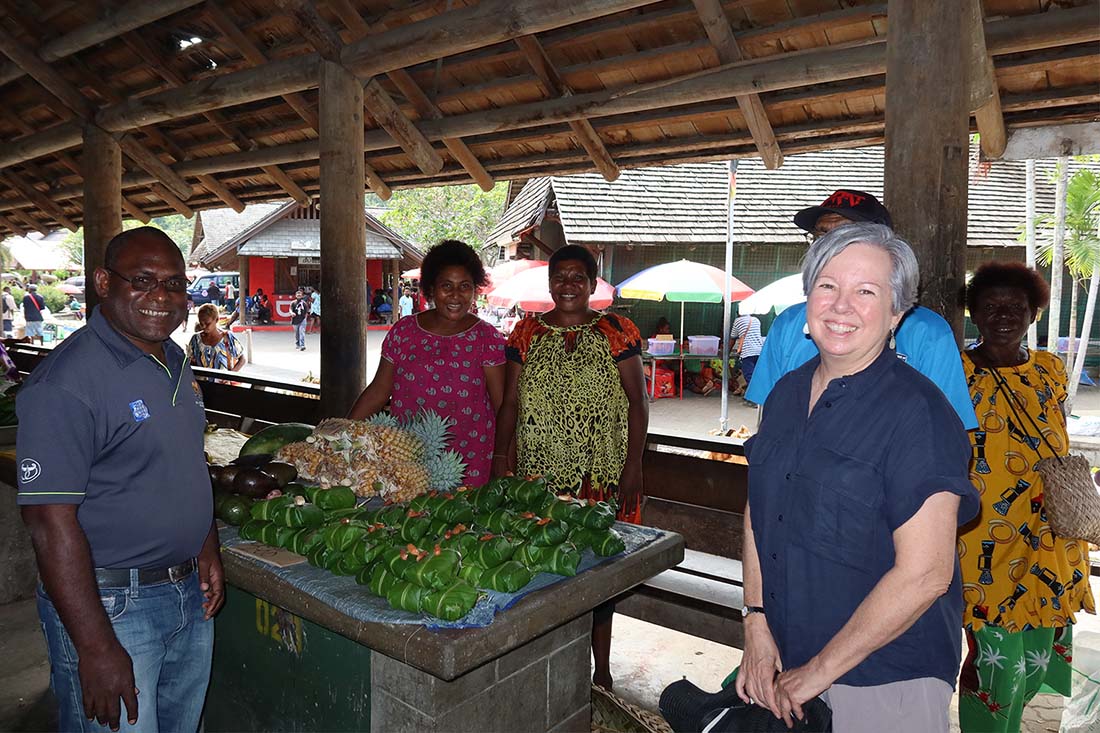
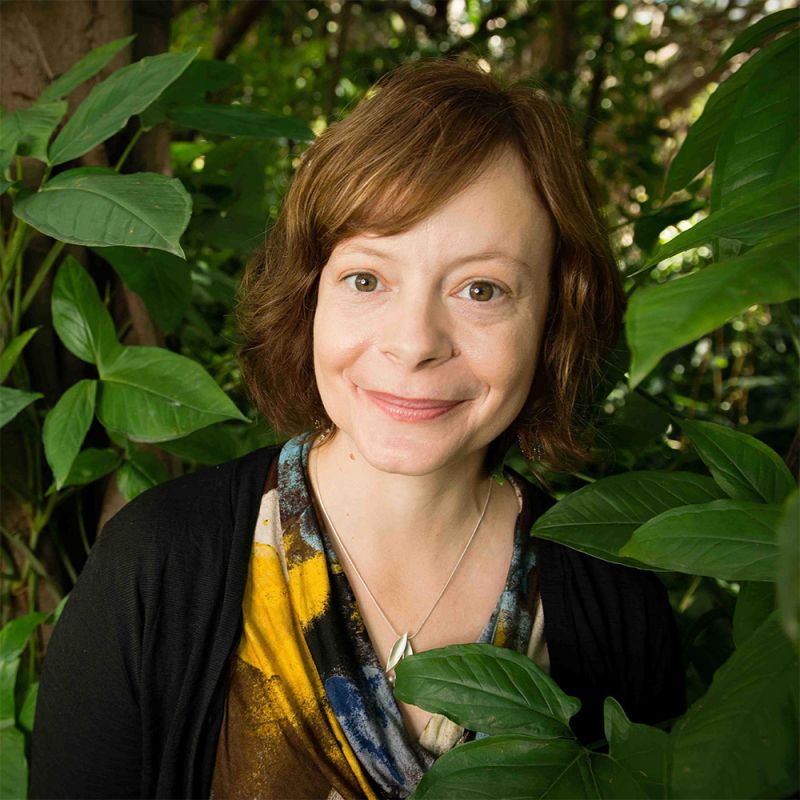
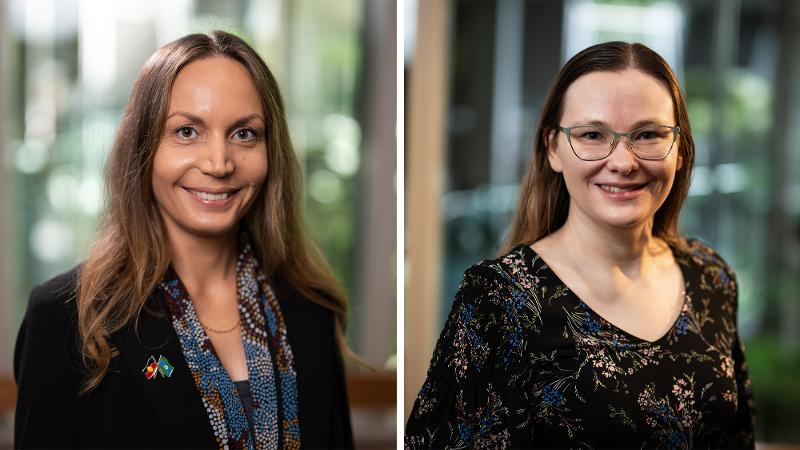
Professor Helen Wallace, Head of QUT's School of Biology and Environmental Science, has led a long-term project transforming the galip nut - a traditional, nutrient-rich crop from Papua New Guinea - into an internationally-recognised product. Her research, in partnership with local communities and global agencies, is improving livelihoods, enhancing food security, and creating new opportunities for women farmers in the face of climate change.
Professor David Rowlings
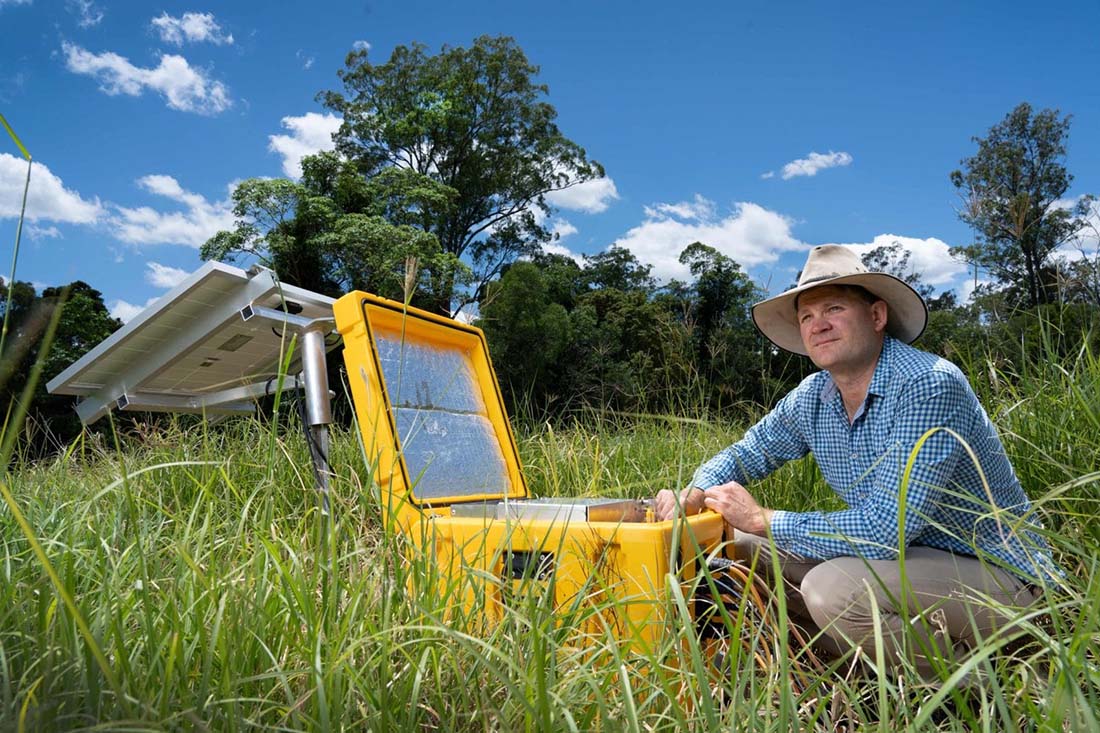
Professor David Rowlings is a soil scientist in the Sustainable Agriculture program at the Centre for Agriculture and Bioeconomy. His research sits at the nexus of the environmental and agricultural science, enabling high impact research outcomes that benefit both fields for positive global change and food security.
Dr Elaine Mitchell
Dr Elaine Mitchell's research focuses on optimising farming practices to enhance soil health and carbon sequestration, aligning with Australia's carbon credit scheme. This work aims to shift agriculture from a climate contributor to part of the solution through sustainable practices.
Professor Kirill Alexandrov
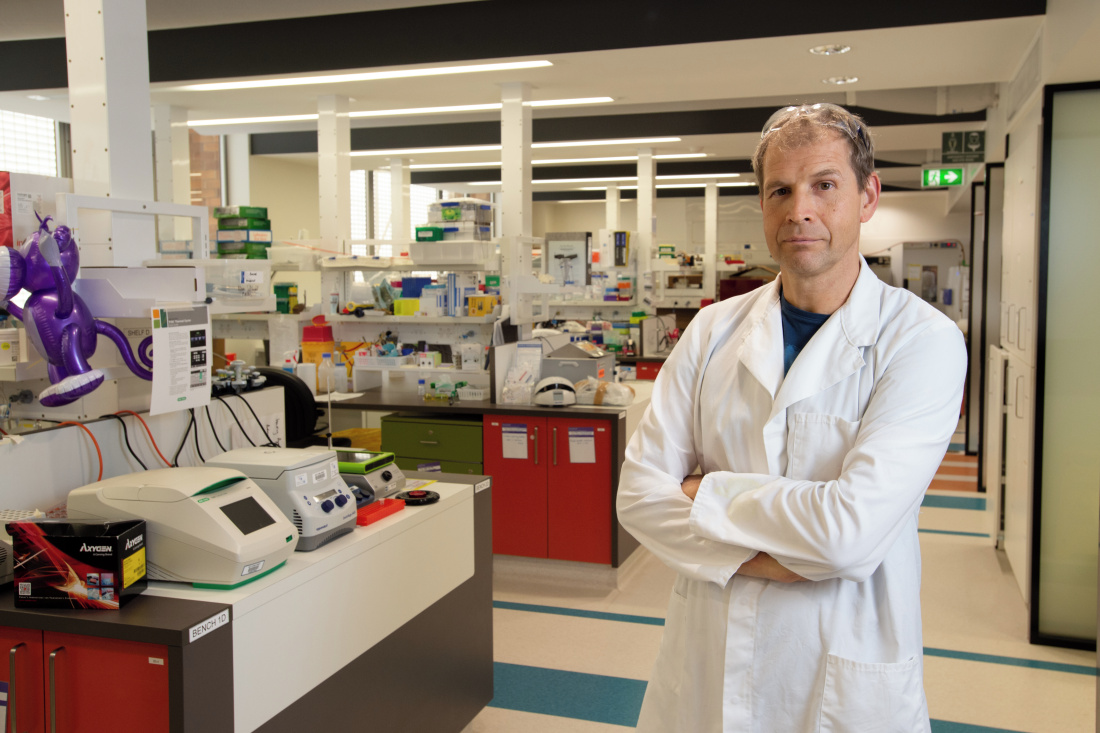
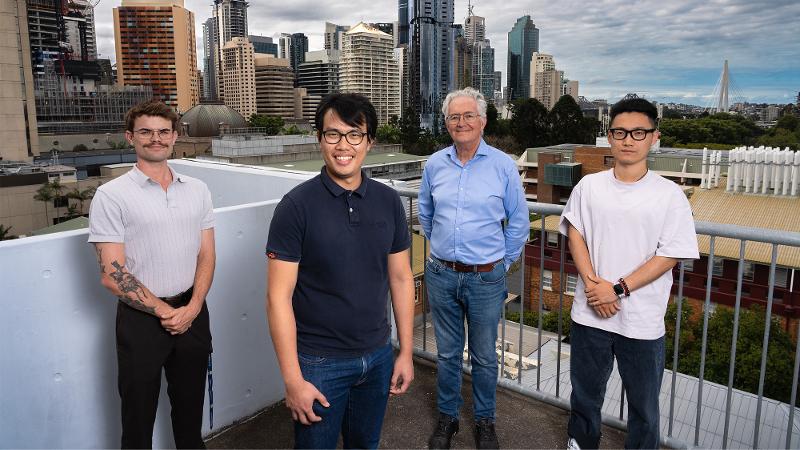
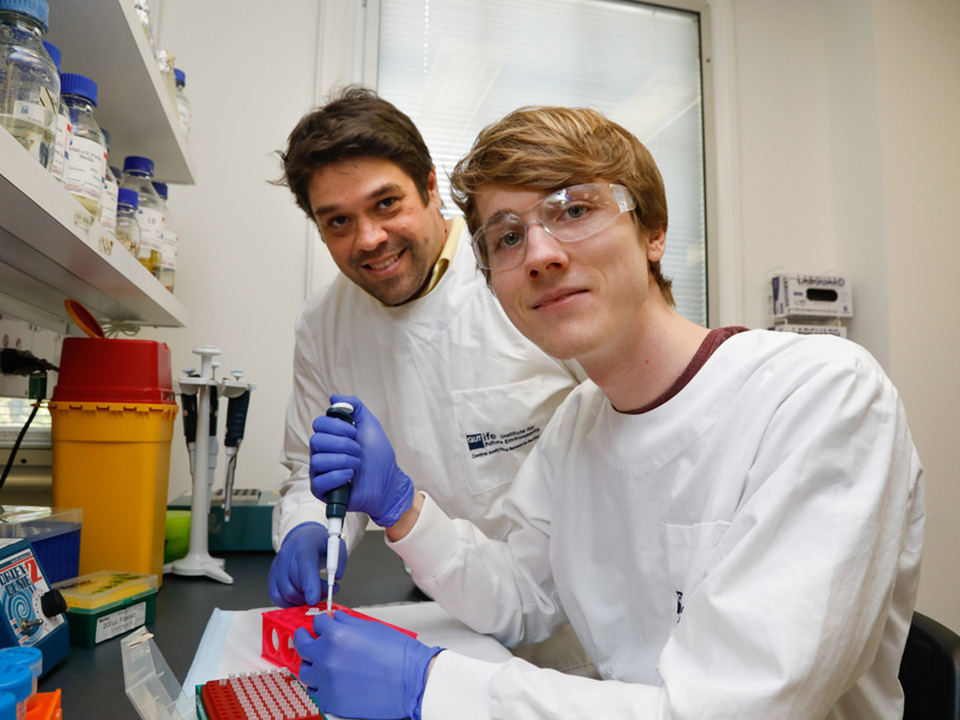
Professor Kirill Alexandrov's research team uses artificial intelligence to design proteins that perform logic functions, enabling them to build small computational circuits. These circuits could lead to new diagnostic tools and, in future, artificial biological computers and bio-electronic hybrids like cyborgs.
Dr Kristy Stevenson
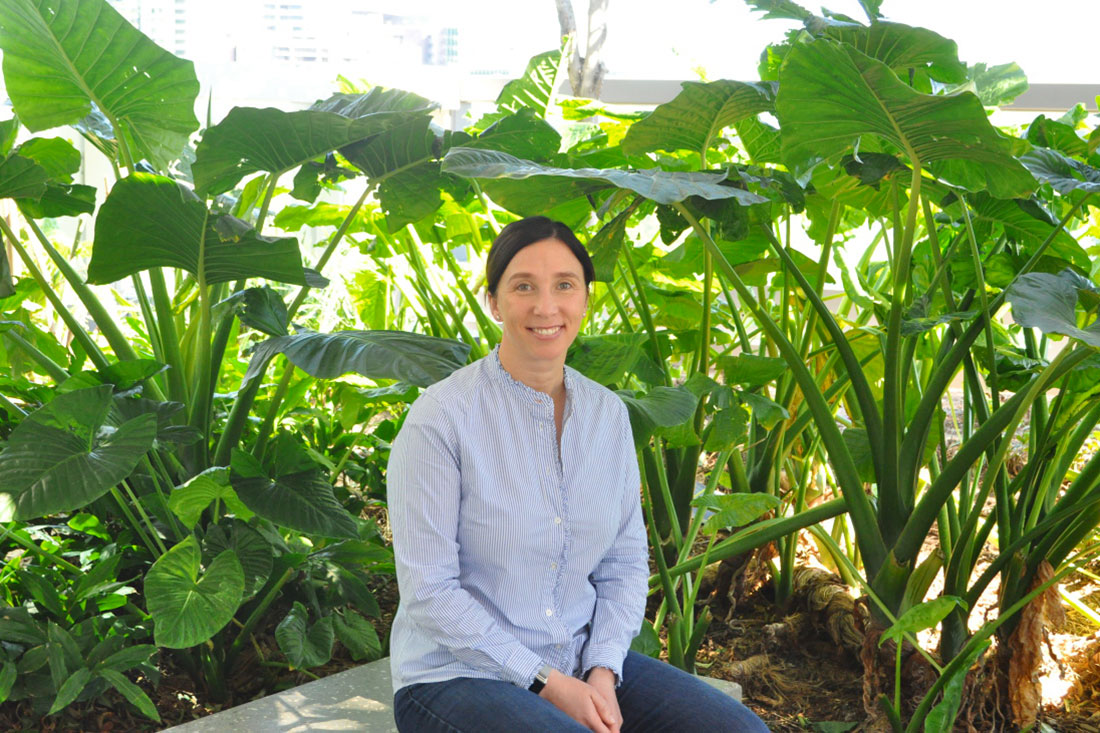
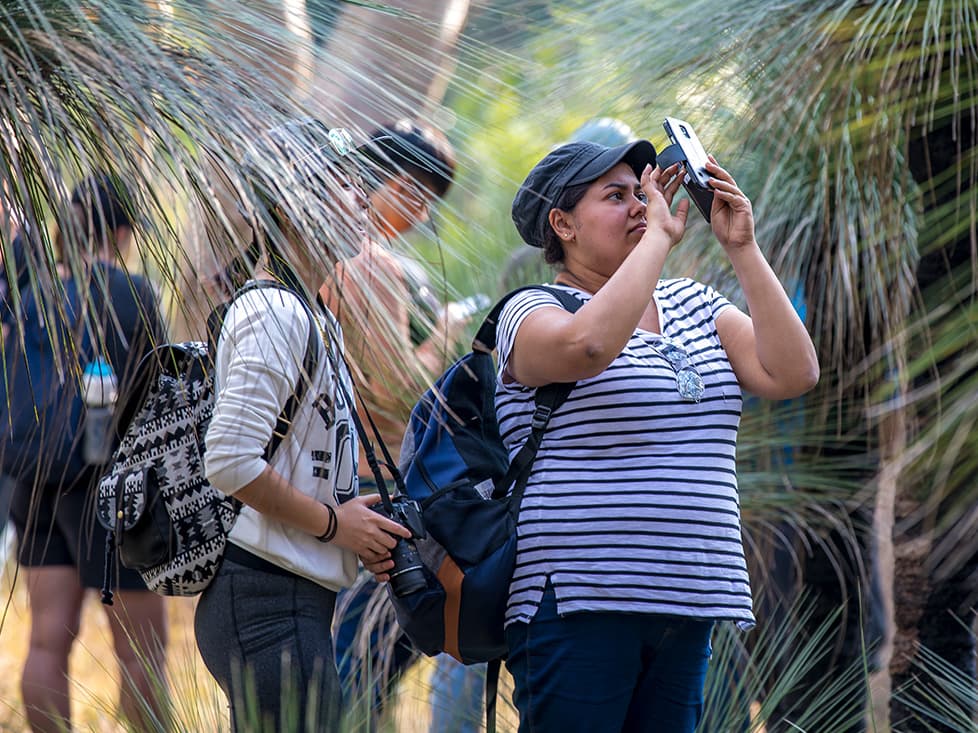
Dr Kristy Stevenson is studying the impact of myrtle rust on native Australian forests, and how increased tree death from the pathogen is altering forest structure and potentially heightening the risk of severe fires. She focuses on developing strategies to manage and mitigate the effects of this widespread fungus.
Dr James Behrendorff
Dr Behrendorff is a senior lecturer in microbial biotechnology and deputy program leader for synthetic biology in the Centre for Agriculture and the Bioeconomy. His research focuses on engineering enzymes and microbes to convert low-cost and waste resources into high-value molecules - such as nutritional oils, pharmaceuticals and bio-based plastics - enabling a shift toward circular, low-carbon biomanufacturing.