
Faculty/School
Faculty of Science

Topic status
We're looking for students to study this topic.

Primary Supervisor
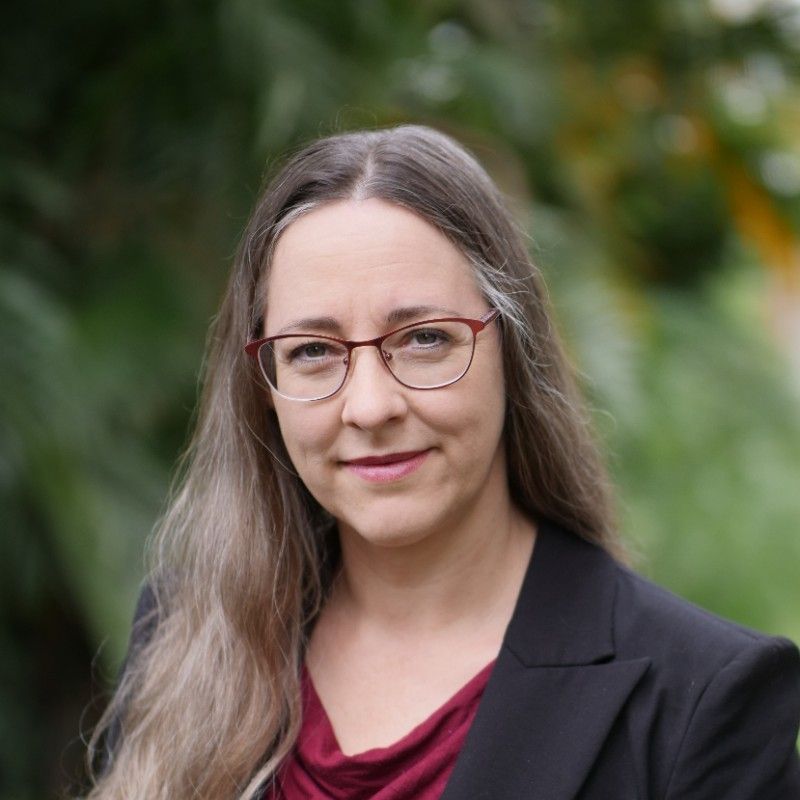
- Position
- Professor
- Division / Faculty
- Faculty of Science
Other QUT supervisors
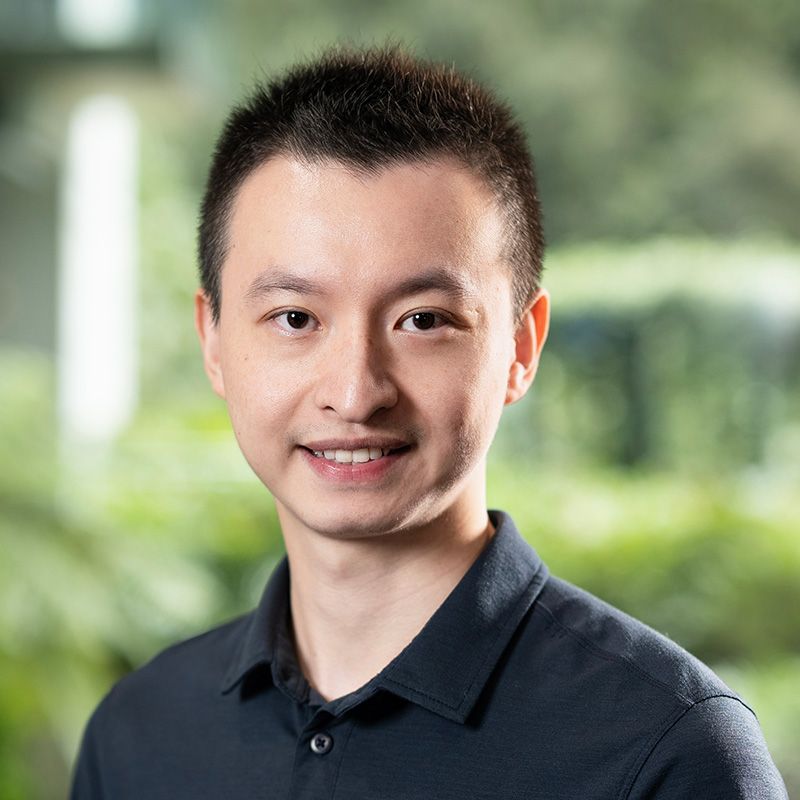
- Position
- Research Fellow
- Division / Faculty
- Faculty of Science
Overview
Yeast is widely used in biotechnology because it is safe, genetically tractable, and able to convert simple carbon sources into useful molecules. Through metabolic engineering, researchers can redesign yeast metabolism so that more carbon flows towards target products rather than only supporting cell growth.
This project will introduce the student to yeast metabolic engineering for sustainable biomanufacturing. The broad research area spans the production of industrial chemicals, agricultural chemicals, flavours, fragrances, and natural products, including isoprenoids and other high-value compounds. The project is interdisciplinary, drawing on synthetic biology, molecular biology, biochemistry, microbiology, and bioprocess-oriented thinking.
The project is aligned with the supervisor’s broader research program in synthetic biology and sustainable bioproduction. The exact focus will be scoped to suit the student’s background, interests, project timing, and available laboratory support. We are currently working on industrial monomers, fragrance molecules, insect pest control chemicals, agricultural fungicide molecules, and a variety of other targets.
Research engagement
The student will engage with yeast metabolic engineering and synthetic biology through a combination of literature review, pathway analysis, experimental design, laboratory work, and data analysis. The project may include exploring how carbon flux is controlled in yeast, how metabolic pathways are selected or engineered for different products, assessment of engineering outcomes, and measurement of intracellular and extracellular metabolites. In vivo measurement tools, such as biosensors and fluorescence-based assays, may be used where appropriate.
Research activities
Depending on the student’s background, interests, and project timing, activities may include:
- reviewing literature on yeast metabolic engineering, carbon flux, and microbial production of useful molecules
- identifying possible bottlenecks in carbon flow towards a target product
- comparing strategies for improving pathway performance, such as enzyme selection, pathway balancing, compartment targeting, dynamic control, or product tolerance
- metabolomics and/or proteomics analysis using analytical chemistry
- analysing example experimental data from microbial production or measurement workflows
- helping design experiments to test pathway performance or metabolic response
- small-scale yeast culture, molecular biology, fluorescence measurement, and analytical workflows
- preparing a short written report and final presentation summarising the project findings
Research skills
The student will gain experience in:
- understanding yeast as a platform for biotechnology
- reading and interpreting scientific literature
- thinking about metabolism from an engineering perspective
- understanding carbon flux and pathway bottlenecks
- connecting gene, enzyme, pathway, and product-level thinking
- interpreting experimental or pathway data
- designing appropriately scoped research questions
- understanding the practical constraints of laboratory research
- communicating scientific findings in written and oral formats
- yeast handling, sterile technique, molecular biology, fluorescence-based measurement, and small-scale culture workflows
Outcomes
The aim of this project is to give the student a practical introduction to yeast metabolic engineering and sustainable biomanufacturing.
Expected outcomes may include:
- a short review or annotated summary of strategies used to engineer yeast for production of target molecules
- a pathway map or design framework for redirecting carbon flux towards a useful product
- analysis of example data or pilot experimental results
- identification of key metabolic bottlenecks and possible engineering strategies
- a final short report and presentation suitable for a VRES research experience
The project may also generate useful background analysis, pathway design logic, or preliminary data to support future Honours, MPhil, PhD, or grant-funded research. If suitable quality research outcomes are achieved, the student’s contribution may be included in a future peer-reviewed publication, with authorship considered in line with standard authorship criteria.
Skills and experience
This project would suit a student interested in synthetic biology, biotechnology, microbiology, molecular biology, biochemistry, genetics, bioengineering, sustainable production, or industrial biotechnology. Prior laboratory experience is useful but not essential. Students should be curious, careful, willing to read scientific literature, and interested in learning how biological systems can be engineered. Some background in molecular biology, microbiology, biochemistry, genetics, or biotechnology would be helpful. QUT laboratory inductions, risk assessments, and safety training will be required before starting lab work.
Start date
2 November, 2026End date
19 February, 2027Location
The primary laboratory and office is Level 5, M Block, QUT Gardens Point Campus. Some activities may be undertaken in the CARF laboratories at the Gardens Point campus
Additional information
The Vickers group is a supportive and flexible environment, co-located with several other groups with which we collaborate. We aim to provide a great mentoring environment as well as practical training.
The student will have access to supervision, relevant literature, project-specific background material, and appropriate QUT laboratory or data-analysis resources. The final project scope will be adjusted to fit the VRES timeframe, the student’s prior experience and interests, and the available support during the summer period.
Keywords
- synthetic biology
- biotechnology
- yeast
- sustainable production
- metabolic engineering
- fermentation
- carbon flux
- natural products
- isoprenoids
- flavours
- fragrances
- industrial biotechnology
- agricultural chemicals
Contact
Professor Claudia Vickers
+61405340350
claudia.vickers@qut.edu.au