By QUT Health Marketing, 21 May, 2025
The intersection between studying health and pursuing a career in sport is a rich and growing area, especially in Brisbane where the 2032 Olympics is on the forefront of many minds.
If you’re keen to be involved in sport but aren’t sure what to study, read on.
Select an option below:
- I want to work with individuals and athletes
- I want to work with the community
- I know what course I want to study
Working with individuals and athletes
There are many paths to equip yourself with the knowledge to improve the performance and wellbeing of professional athletes and individuals who play sport.
Which area are you most interested in?
- Injury prevention and rehabilitation
- Fitness, strength, performance analysis or sport science research
- Mental health support
- Becoming an accredited sports dietitian
- Sports podiatry, human movement and gait analysis
Working with the community
Sport isn’t just about elite athletes. Community and grassroots sport programs are increasingly being used to promote social inclusion, healthy lifestyle changes, and mental wellbeing. Professionals with a health background are vital in designing and implementing these programs.
Which area are you most interested in?
- Improving the health of large populations
- Facilitating positive change through community sport programs
Courses with sport pathways
Jump to:
- Sport and exercise science
- Clinical exercise physiology
- Nutrition and dietetics
- Podiatry
- Psychology
- Public health
- Human services
Sport and exercise science
If you want to be an accredited exercise scientist, then this degree is for you. With 280 hours of professional placement with sporting associations and related organisations, you’ll be well prepared to meet your client’s specific needs.
Career outcomes include fitness, strength and conditioning coaching, performance analysis, corporate health, or exercise and sport science research.
You could be working with elite athletes, sporting teams, community health providers, corporate organisations, education providers, and research centres.
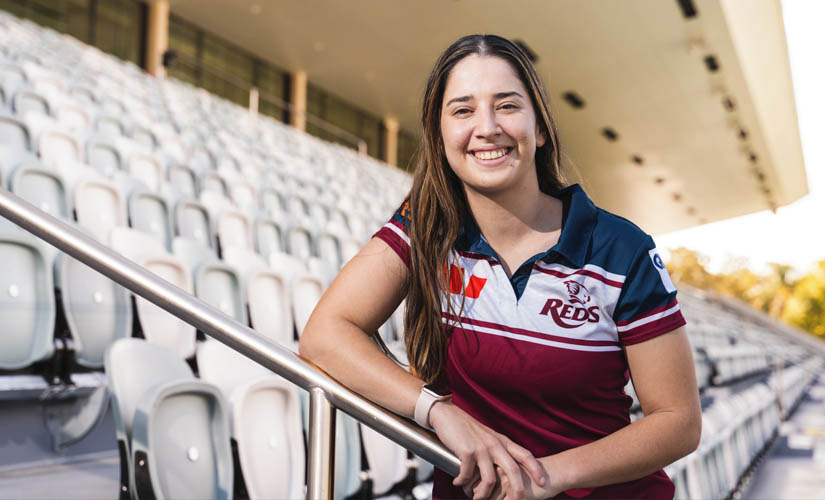
“‘We learn about performance analysis at uni, but my internship with the Queensland Reds has taken it to a whole new level.”
Bachelor of Sport and Exercise Science
Clinical exercise physiology
This degree focuses more on prescribing sport and exercise in a rehabilitation setting, as opposed to the Bachelor of Sport and Exercise Science, which focuses more on working directly with athletes to improve performance.

“Being in a profession where I can work towards making the community a happier and healthier place is a dream, as I can help others improve their health through my passion for exercise.” – Trent Darbyshire
Bachelor of Clinical Exercise Physiology
Nutrition and dietetics
Sport is interdisciplinary in nature, and one of the most important components of optimal performance is a good diet.
This degree prepares you to be an accredited dietitian, which opens up various career opportunities in sport. Upon graduation you could be a:
- Sports dietitian – tailor nutrition advice to athletes to enhance performance and recovery
- Team nutritionist – work with professional sports teams to develop nutrition strategies
- Sports nutrition researcher – conduct studies to advance knowledge in sports nutrition
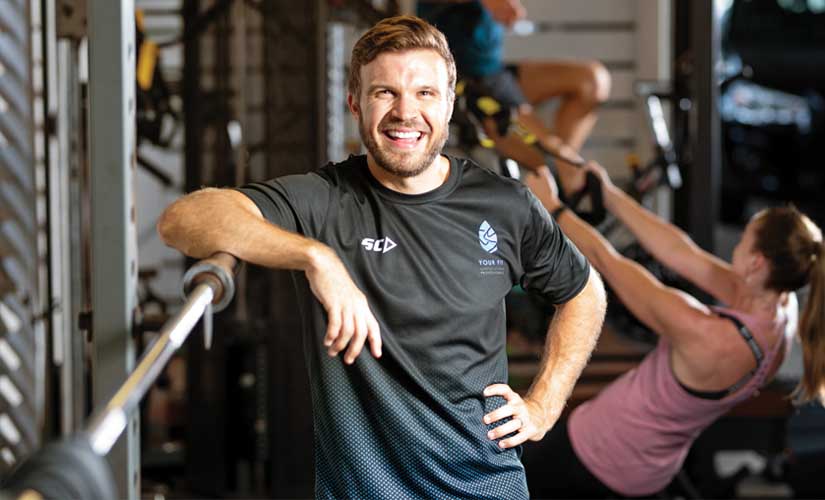
“I chose to study nutrition and dietetics at QUT because I love food, health, and people. I went from designing menus at an acquired brain injury unit to delivering corporate health days. I’m now helping people with their diet and exercise in my own business, Your Fit.” – Sean Cornish
Podiatry
Many athletes depend on their feet to perform, which is why podiatrists play such an important role. We have a podiatry career guide which goes in depth into what’s to expect when you study podiatry.
Podiatry and sport have strong links. Upon graduation you may choose to become a:
- Sports podiatrist – tailor your services to athletes
- Biomechanics specialist – analyse movement patterns to prevent injuries and improve performance
- Rehabilitation coordinator – design and implement recovery programs for injured athletes
- Sports medicine specialist – collaborate with other allied health specialists and coaches to manage athlete health
“I was like a lot of high school students who played sport and wanted to go into physiotherapy because I knew what that was. However I enjoyed the medicine side of it, which is why I love podiatry.”
“Effectively, it’s treating someone who got injured based on the exercise they’re doing. The demands of sport at younger ages are far greater than you and I ever had. Even 15 year old netballers and rugby players are seeing podiatrists nowadays.”
Psychology
A deep understanding of human behaviour is vital in the sport sector. Students will develop an insight into cognitive processes, motivation, and emotional regulation which are essential in sports psychology.
Professionals in this field often work with athletes to enhance their performance through stress management and improving mental resilience. In team settings, coaches need to know what motivates athletes in order to develop effective training programs and foster positive team dynamics.
Like most degrees, a research pathway is open.

“My research is about pressure training in elite sports, which looks at how to simulate the mental pressure an athlete feels when competing or performing in a training environment.”
“The highlight of my research has definitely been connecting with elite coaches of Australian teams and athletes. Listening to their experience and knowledge has been incredibly interesting and eye-opening in many ways, especially in sports I follow and enjoy!”
Dana Ortez
Public health
If you’re passionate about creating a better world, this degree could be for you as it’s all about improving the health and wellbeing of whole populations. While it’s not the first degree you would relate to a career in sport, graduates have the potential to make big changes to the sporting sector.
Career possibilities could include health promotion with sport organisations, policy development to support physical activity and healthy living through sports, or even research and conducting studies to evaluate the effectiveness of sports programs to improve public health.

“The opportunities are endless when it comes to public health. I would say that utilising your health passion, whatever that is, and pursuing that passion in your degree will build your knowledge so that you can implement change in the workforce post study.”
Human services
This degree focuses on social justice to support individuals, families or communities experiencing social and economic adversity.
Potential careers include creating sport-based programs for social inclusion, mental health promotion, and youth engagement while improving physical health and wellbeing.
You could be working with the government, non-profit organisations, or community clubs in roles that involve program coordination, advocacy, and policy.

“Employment opportunities from this course are really broad. You can go into youth work or community services, or even the policy side of things.”
What’s next?
Sport is a major part of the Australian culture and economy. Studying a health degree provides a science-backed foundation for a career in sport.
Now that you have a better idea of where each degree can lead you, make sure to read the course page to ensure you meet entry requirements.
Come on campus and see facilities in person. QUT hosts an Open Day each year, typically in July. There are also campus tours run by student ambassadors twice a year.
If you’re unable to come on campus, check out our virtual tours, or book an appointment with HiQ and chat to a friendly representative.