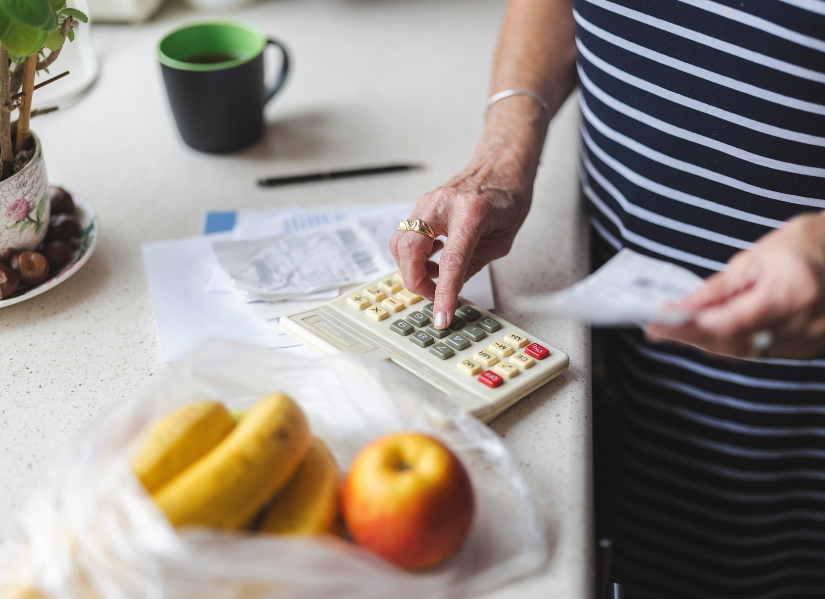
Food insecurity is often imagined as a distant or abstract issue, one that exists beyond our suburbs, campuses and professional networks. Yet for many Australians, including a growing number of households across Australia and the world, access to affordable, nutritious food is neither guaranteed nor simple. Rising living costs, supply chain disruptions and climate pressures are reshaping not only what we eat, but who gets to eat well.
Across the sustainable food sector, QUT researchers and alumni are grappling with this challenge from multiple angles, whether through agriculture, food innovation, policy, or community-driven initiatives. Their work reveals a complex picture: one where food security is not just about environmental outcomes, but about fairness, accessibility and resilience in the food system.
Their perspectives shine a light on some of the misconceptions of food insecurity and how broader social inequities can often intersect. At the same time, they also offer cautious optimism. From circular food systems and regenerative practices to cross-sector partnerships and grassroots solutions, these alumni are helping to reimagine what a more equitable food future could look like.
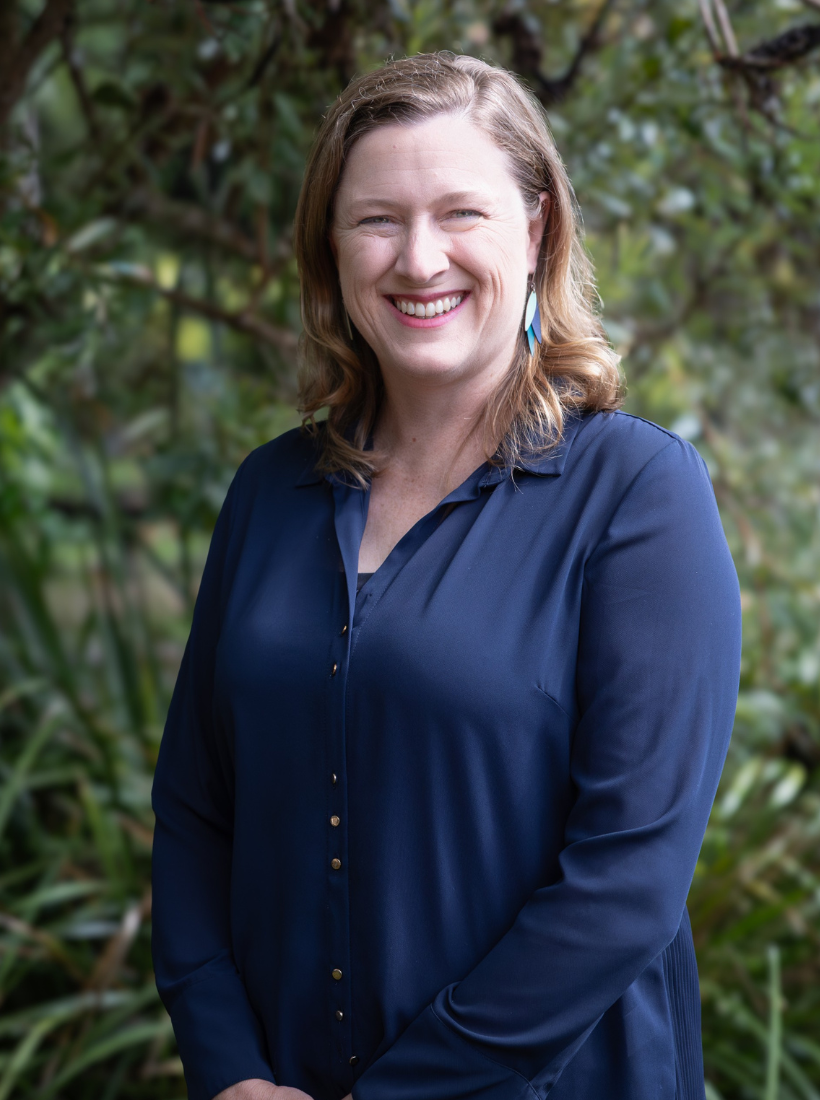
Fiona Maxwell, CEO, The John Villiers Trust
How does food insecurity differ between regional and urban communities, and what needs to change to address those differences?
Food insecurity affects regional communities due to isolation and logistics - supply, transport costs, cold storage. There are also less options for food relief charities in smaller communities. Change is required in everything from improving roads in wet season, through to missed opportunities of supply chains, particularly in food bowl areas. The more we talk about it in the city to increase understanding, the better.

Emma-Kate Rose - Executive Director, Food Connect Foundation
How can we start to tackle food insecurity?
Implementing mandatory Good Food Purchasing standards for every institution receiving public funding - hospitals, schools, prisons, aged care facilities, universities. The Australian government spends billions on food every year and almost none of it asks: does this food support farmers to farm well? Does it nourish the people eating it? Does it build regional economies? If we required public institutions to apply social, environmental and economic criteria to how they buy food, we'd redirect billions of dollars toward a more equitable food system.
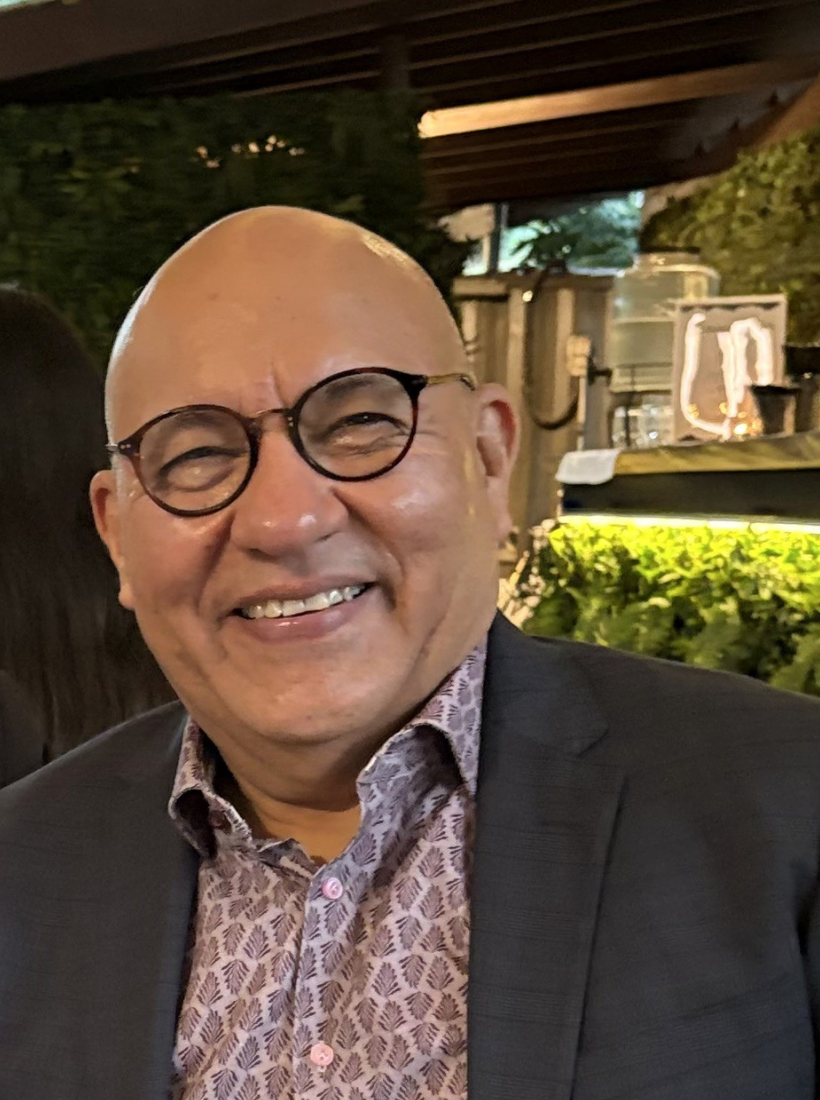
Saul Martinez - Chief Operating Officer, Foodbank Queensland
What are some misconceptions about those affected by food insecurity?
A common misconception is that food insecurity only affects a small or specific group of people. In reality, many households are just one setback away from it, whether through job loss, illness, family tragedy or rising external pressures such as fuel costs. The 2025 Foodbank Hunger Report, found Qld households had reported a significant increase in the number experiencing hunger. More than a fifth - 22% or 480,000 of Qld households - were going without meals, a 3% increase from 2024.
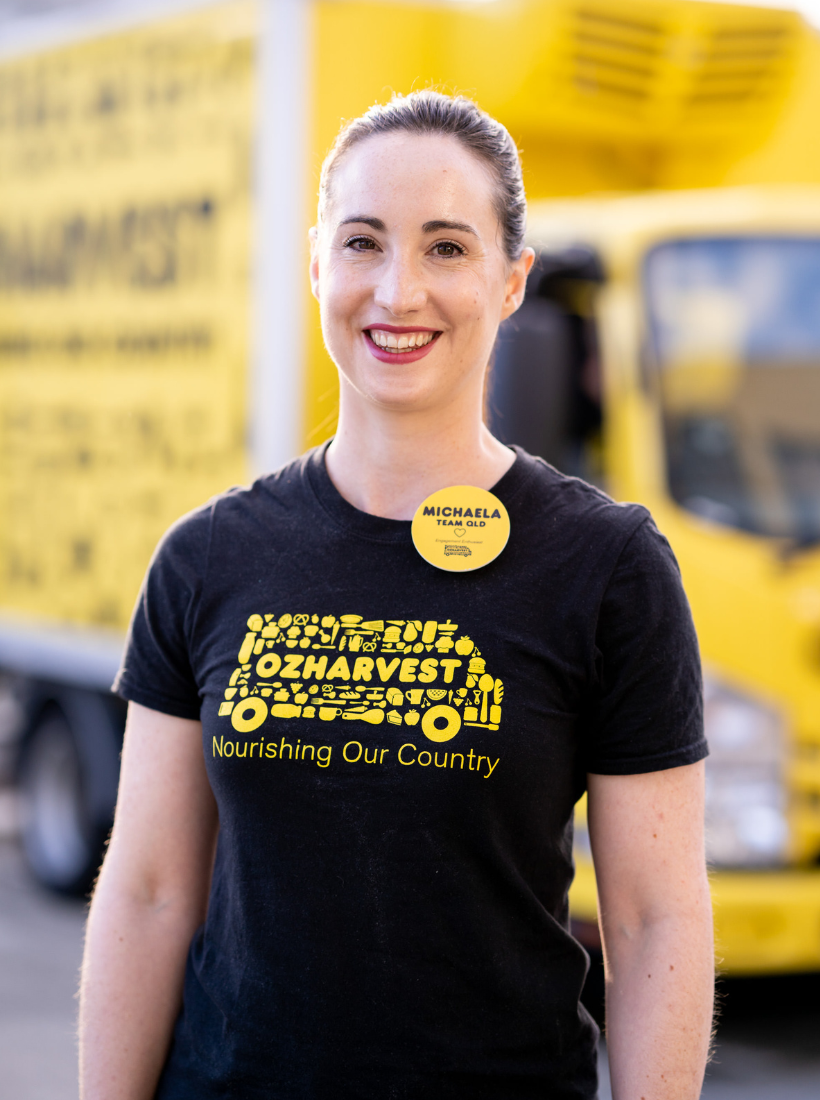
Michaela Windsor - State Manager, OzHarvest QLD
How can individuals help reduce food insecurity in their communities?
Supporting organisations working in this space is one of the most direct things you can do. OzHarvest’s Cooking for a Cause corporate volunteering program welcomes businesses in to cook amazing meals for people in need while bringing in critical funding to keep our wheels on the road. And individuals can support OzHarvest by volunteering, running a food drive or making a financial donation – every $1 donated means we can deliver two meals to someone in need. Every contribution, big or small, makes a genuine difference.
Associate Professor Hope Johnson, Associate Professor Bree Hurst, Associate Professor Lisa Schuster

How can the growth of the upcycled food sector contribute to reducing food insecurity and waste in Australia?
There are instances where upcycled food intersects with food insecurity, particularly when it is channelled into food relief efforts. For example, FareShare’s pre-prepared meals demonstrate how surplus food can be repurposed into free, safe, nutritious, and palatable meals for vulnerable populations. This illustrates the potential for upcycled food to contribute to both waste reduction and improved food access when applied within a food insecurity lens.
Read more about Johnson, Hurst and Schuster's research findings.
Author

Jenni is an innovative communications, marketing and engagement specialist with fifteen years of industry experience. She is also a proud QUT alumnus with a Bachelor of Creative Industries (Interdisciplinary).