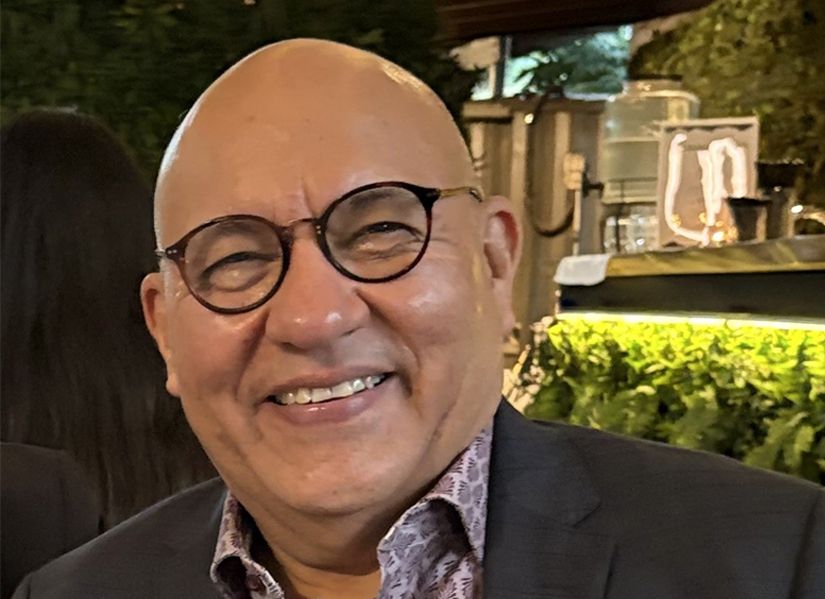
For Saul Martinez, creating impact starts with solving problems. After building a career in manufacturing and operations across the food industry, he now serves as Chief Operating Officer at Foodbank Queensland, helping deliver essential food and grocery items to communities across the state. As cost-of-living pressures continue to affect more Queensland households, Saul shares his insights on food insecurity, the role of community support, and how logistics can help connect people with the resources they need most.
Can you tell us about your journey since graduating from QUT?
Since graduating from QUT, I have held several senior roles across the food industry, primarily in manufacturing and operations. I now work in the not-for-profit sector as Chief Operating Officer at Foodbank Queensland.
What might a standard week look like for you?
A typical week at Foodbank Queensland involves distributing more than 200,000 kg of food and grocery items to support 135,000 Queenslanders experiencing hardship and provide breakfast to 52,000 school-aged children. We work with more than 350 member organisations and over 500 schools across Queensland to deliver that support.
What are some misconceptions people have about who is affected by food insecurity?
A common misconception is that food insecurity only affects a small or specific group of people. In reality, many households are just one setback away from it, whether through job loss, illness, family tragedy or rising external pressures such as fuel costs.
The 2025 Foodbank Hunger Report released in November, found Queensland households had reported a significant increase in the number experiencing hunger. More than a fifth - 22% or 480,000 of Queensland households - were going without meals, a 3% increase from 2024. Food insecurity is not only about having too little food; it also includes being unable to consistently access a healthy, balanced diet.
How can individuals contribute to reducing food insecurity in their own communities?
I would encourage people to first understand the needs of local organisations in their community. Many are volunteer-run and operate with limited resources, so support can have a much greater impact when it is directed toward specific local needs.
What has been the most rewarding (or challenging) aspect of your work in this field?
What I find most rewarding is working alongside donors, volunteers, colleagues, staff and community organisations whose generosity helps support people doing it tough. Their dedication is inspiring, especially given how often they place the needs of others before their own.
What is one skill that you couldn’t live without and why?
The skill I rely on most is problem-solving. Because our work depends heavily on donations, we often operate with uncertainty, which is why we sometimes refer to our supply chain as the “surprise chain”.
QUT degrees – Master of Business Administration (2009).
Do you have a question for Saul? Connect with him on LinkedIn.
Author

Joanna is an integrated marketing communications specialist with an interest in the Faculties of Health, Business and Law. She holds a Master of Business, Bachelor of Mass Communication and Diploma in Business Information Systems.