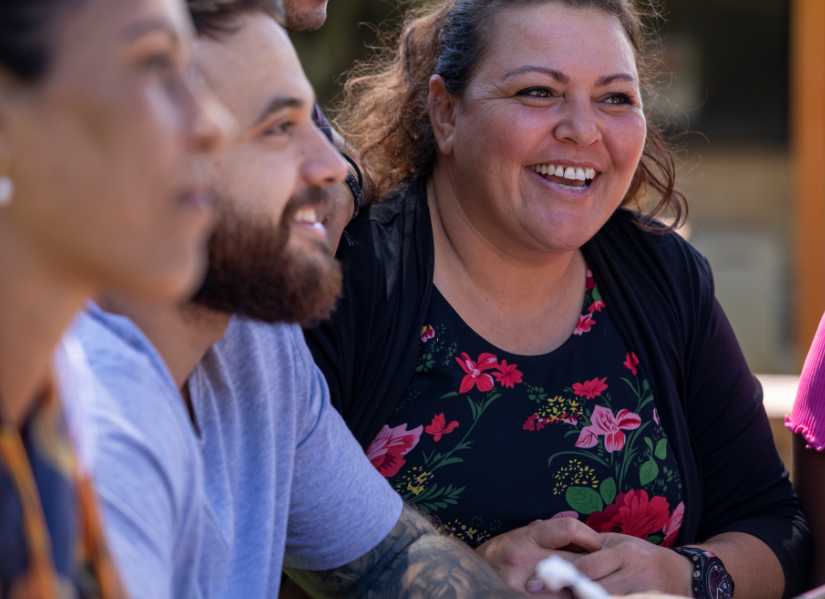
Sustainability is often framed as a global challenge, but for many working in the field, real change begins much closer to home. Across industries and sectors, QUT alumni are discovering that lasting impact doesn’t come from top-down solutions alone, but from meaningful, ongoing engagement with the communities they serve.
In this article, QUT alumni working across the sustainability sector share how they bring communities into the heart of their work. Listening deeply, building trust, and creating space for diverse voices are not just “nice to have” approaches, they are essential to designing solutions that genuinely work.
From building grassroots partnerships to translating complex issues into everyday action, they offer practical insights, lessons learned, and a powerful reminder: sustainable change happens not just for communities, but with them.
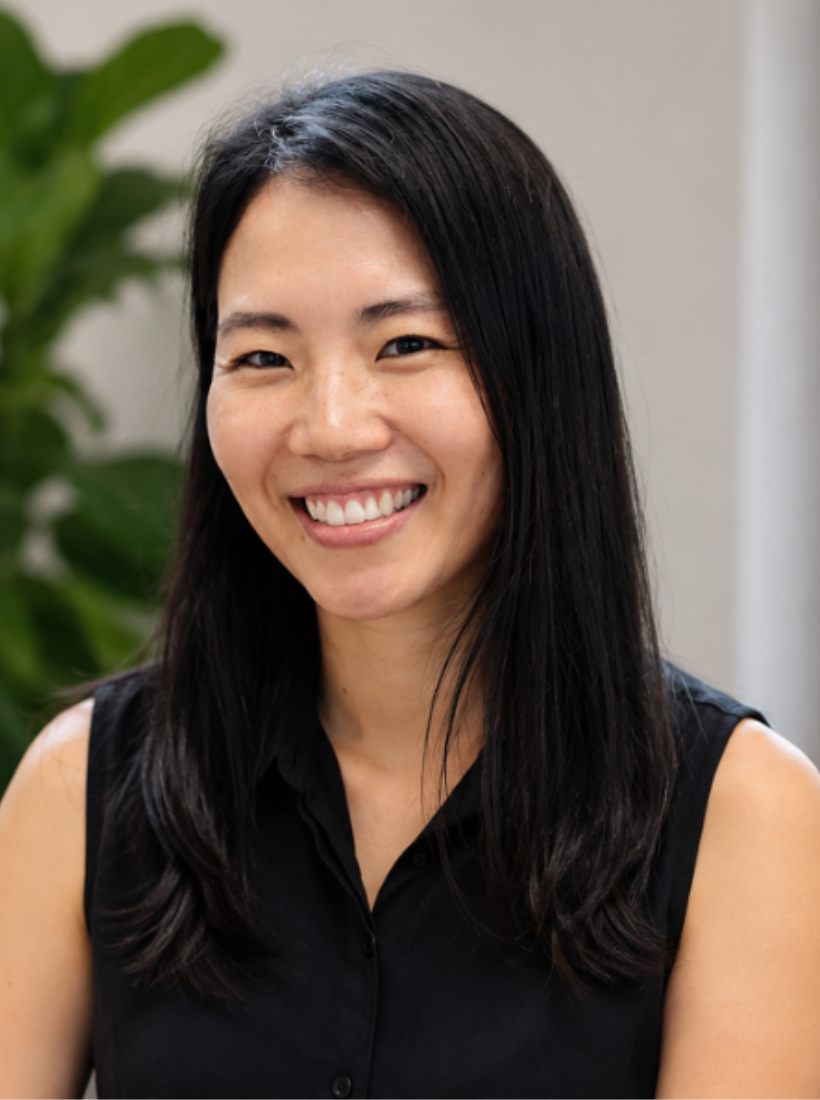
Helena Uhm, Founder and Director, Inoya
How do you communicate complex sustainability issues in a way that resonates?
I've learned that people connect with stories and experiences more than statistics. At Inoya we offer safe, sustainable period care. Menstrual health has long been surrounded by stigma and silence, so creating space for open, judgement-free conversations is incredibly important. When we connect complex issues to people's everyday experiences, I think we make change feel more relevant, achievable, and something everyone can be part of.
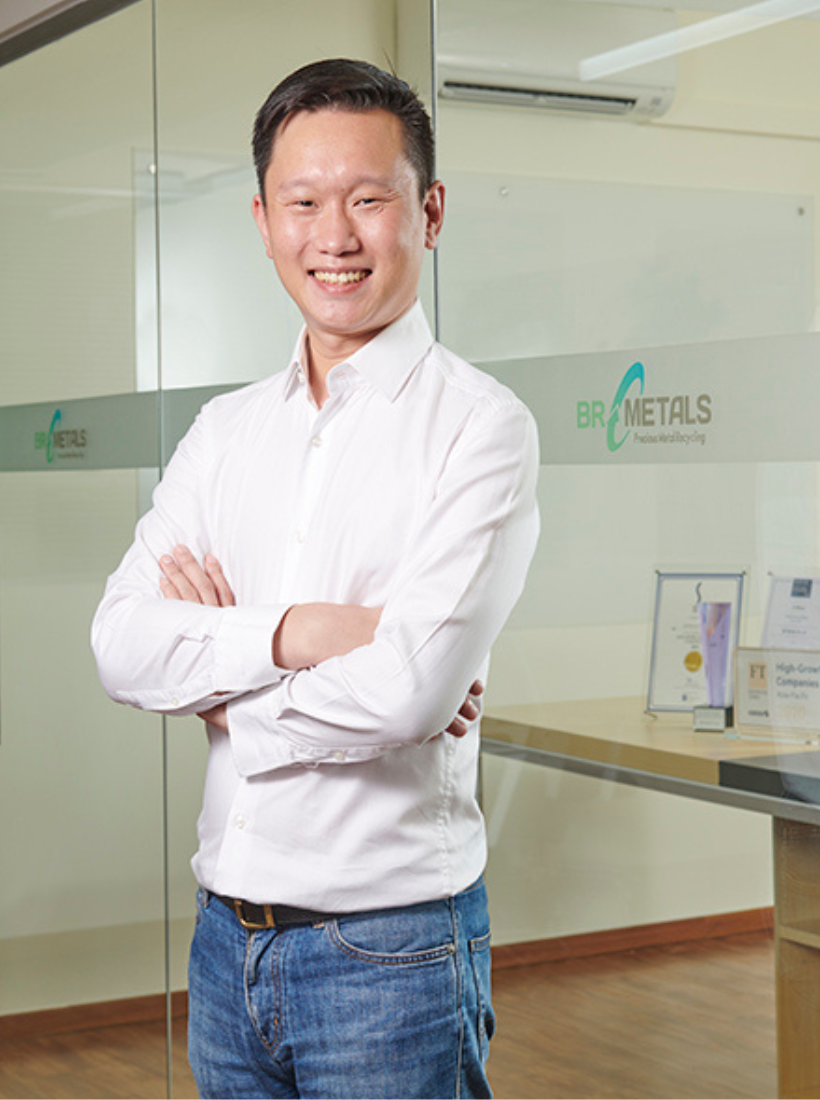
Frank Chen, Founder and Managing Director, BR Metals
How do you give back to the community that supports you?
Finding ways to give back to the community is a priority of ours. Education has always been close to my heart. BR Metals provides bond-free scholarships to local universities like Singapore Management University (SMU). The SMU scholarship is offered to outstanding undergraduates who have chosen Sustainability offered by the Lee Kong Chian School of Business as a second major. Through this scholarship, we help to support the next generation of business leaders who will help take sustainability in a new direction.
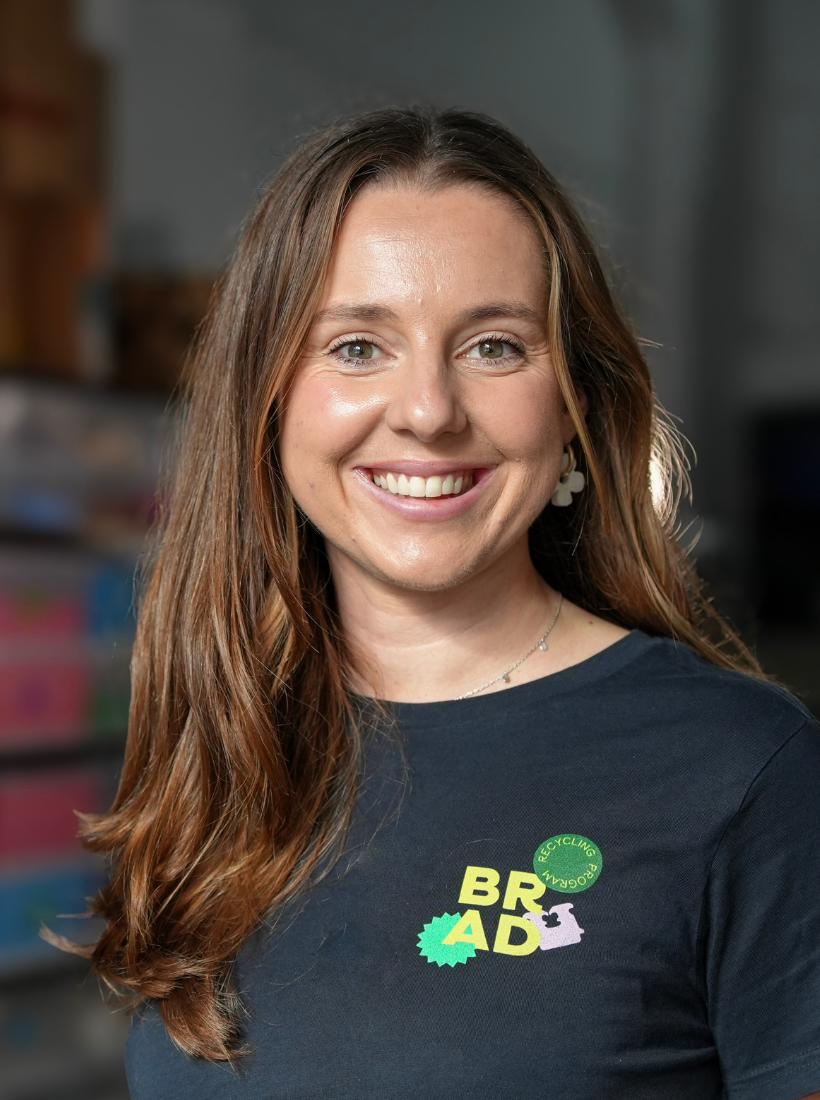
Lottie Dalziel, Founder, Banish
How do you provide information in a format that is easy to understand?
I was used to disseminating health and fitness information to make it easily accessible for individuals and for mass audiences. So I thought, why not apply this with large juicy sustainability studies and make it so easy to understand so that people can turn information into action. At Banish, we provide practical, science-backed guidance through online resources, corporate workshops, school programs, and in-person events. We also provide simple recycling solutions through our BRAD program and work with councils, corporates, and local change makers to drive larger-scale sustainability initiatives.
Watch Lottie's 2025 Young Outstanding Alumni Award winner film.
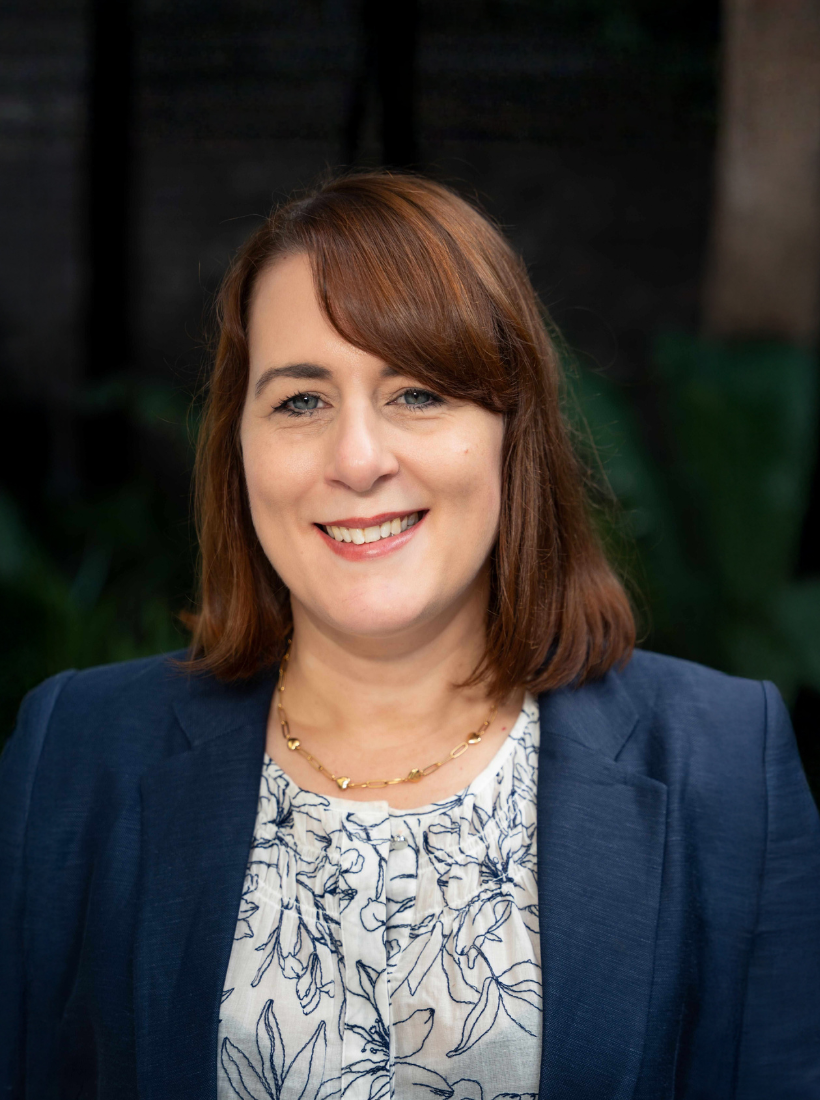
Kellie Williams, Director Environmental Sustainability, Metro North Health
What are the biggest challenges in building trust with communities, and how do you overcome them?
The combination of societal overwhelm and competing priorities, coupled with negative media. The best way to overcome this is through authenticity. Don’t make promises you can’t keep. Explain what you’re going to do, how and why, then follow through. Being honest about challenges and barriers, having open conversations, and inviting people to help shape solutions goes a long way towards building trust. It’s not about perfection; it’s about genuine effort.
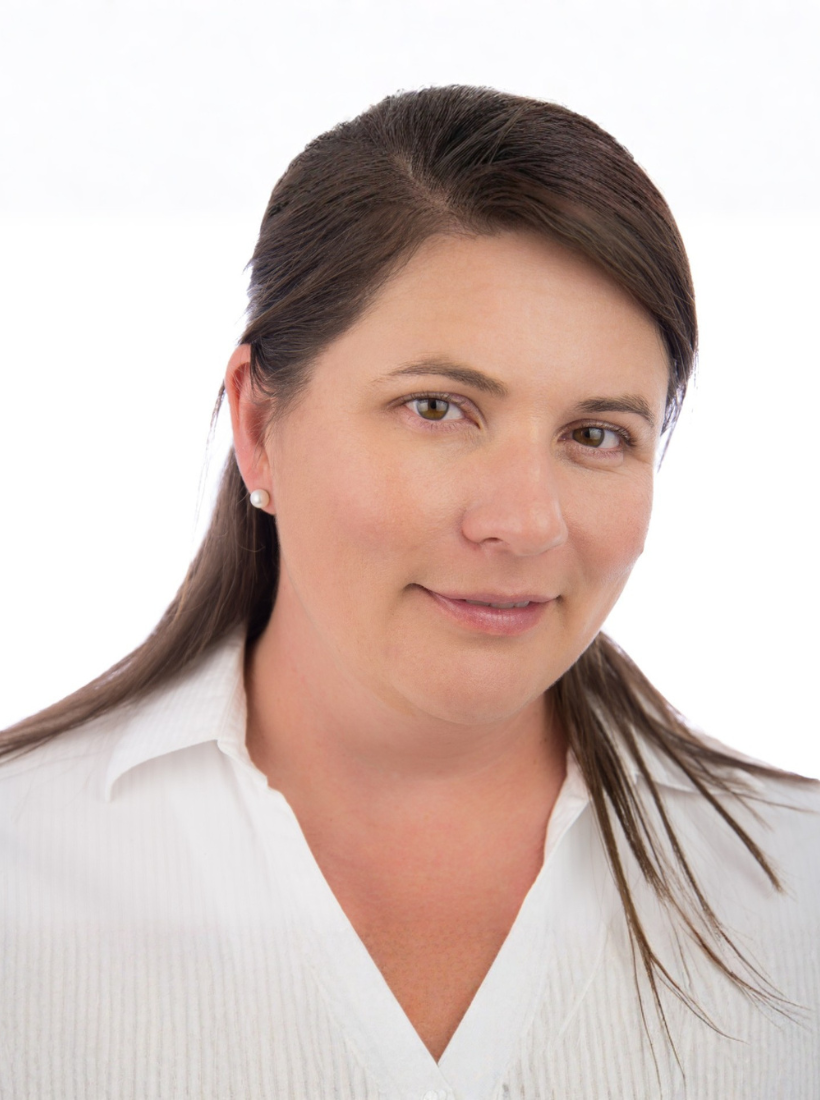
Alison Price, CEO Waste Recycling Industry QLD
What are the biggest challenges in building trust with communities, and how do you overcome them?
One of the biggest challenges we face is helping the community understand both the critical services the industry provides and the complexities involved in delivering them. Navigating these realities requires close collaboration between industry and government to ensure policy settings support both environmental outcomes and a sustainable, financially viable recycling sector.
Author

Jenni is an innovative communications, marketing and engagement specialist with fifteen years of industry experience. She is also a proud QUT alumnus with a Bachelor of Creative Industries (Interdisciplinary).