Critical knowledge gaps in child and adolescent cancer care identified in a QUT-led nationwide study highlighted the need for research focussed on cancer treatment safety, toxicity and resistance alongside a need for personalised psychosocial support during treatment and survivorship.
Study with 730 participants - patients, families and health professionalson identifying and prioritising research needs
Top research priorities span safer, personalised treatment, survivorship, and psychosocial wellbeing
Identifying better ways for the Equitable delivery of cancer care is a high priority for Indigenous, regional, rural and remote children
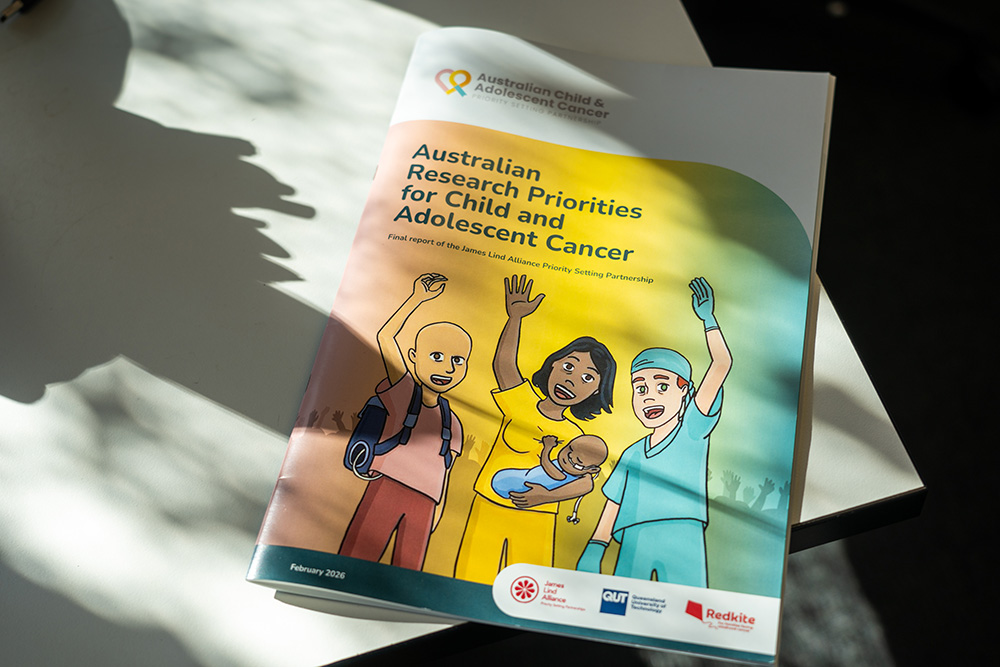
First author Dr Gayani De Silva, from QUT’s School of Nursing, conducted a James Lind Alliance Priority Setting Partnership (PSP) bringing together children and adolescents diagnosed with cancer before age 19, their families, caregivers, and health professionals from across Australia to identify the top 10 research priorities.
“Patient and public involvement is at the core of a Priority Setting Partnership and central to our study from the beginning,” Dr De Silva said.
“A research agenda targeting evidence gaps must be grounded in the lived experiences of patients, families, and health professionals to enable efficient resource allocation, meaningful outcomes, and support economic sustainability.
“This ensures that future research will better address real-world challenges faced during and after treatment.
“The PSP involved two online surveys and an online workshop which involved 730 participants with diverse clinical and personal experience and across age groups.”
Dr De Silva said the research gaps fell into four themes: treatment and side effects management; long term effects and survivorship; psychosocial well-being & support; service delivery.
“Despite rising national childhood cancer cure rates, the PSP’s number one priority was more research on safer, effective therapies to prevent relapse and treatment resistance for child and adolescent cancer patients,” she said.
“Alongside that, we need research on how to minimise the trauma associated with cancer treatment and better integrating that into clinical care pathways.
“We must also prioritise research on factors that contribute to the risk of relapse and treatment resistance to see if that can help personalise treatment to avoid these possibilities.
“Barriers we must overcome to develop better treatments include slow drug development due to disease diversity, disease rarity, limited child-specific evidence, and constraints on large-scale trials.
In terms of service delivery priorities, Dr De Silva said First Nations children and those in regional, rural, and remote areas of Australia were priority areas to focus on given the centralised delivery of children’s cancer treatment means families must travel to major cities for treatment.
“Yet, culturally safe, context-specific, and Indigenousled approaches remain under-researched, and service delivery are often fragmented across different settings.
"Achieving equity requires tailored, accessible, and responsive services that address the diverse needs of children and families across Australia.”
Dr De Silva said that as survival rates had improved, long-term effects had become increasingly prominent, with survivorship research emerging as a key priority area (ranked second and third).
"After effects often emerge years after treatment and negatively affect quality of life,” she said.
“We must focus on the best ways to prevent, identify and manage the long-term effects of cancer and its treatment in children and young people on their physical and psychological health.
"Akin to this is the need to provide optimal support for children to transition from treatment to follow-up and everyday life, and to assess survivorship programs’ health outcomes and healthcare costs.”
Dr De Silva said these findings could provide critical guidance for future research and align with Cancer Australia’s Child, Adolescent and Young Adult Roadmap.
“Together these initiatives underscore the need for coordinated national investment and collaboration to address these persistent challenges.
“By aligning efforts across institutions, disciplines, and communities, Australia is well-positioned to accelerate progress and improve outcomes for young people affected by cancer.”
The QUT researchers on this study were: Dr Gayani De Silva, Dr Alison Bowers, Professor Natalie Bradford.
The study, What Matters Most: The Top 10 Child and Adolescent Cancer Research Priorities in Australia was published in Health Expectations.
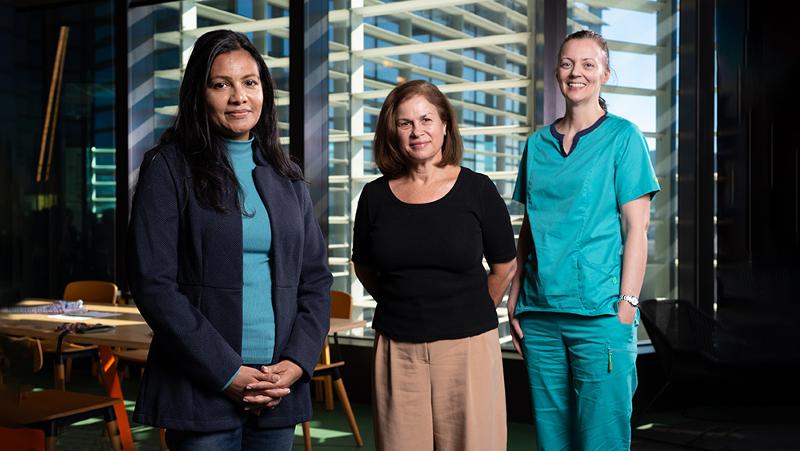
(Image: from left, Dr Gayani De Silva, Professor Natalie Bradford, Dr Alison Bowers)
QUT Media contacts:
Niki Widdowson, 07 3138 2999 or n.widdowson@qut.edu.au
After hours: 0407 585 901 or media@qut.edu.au.


