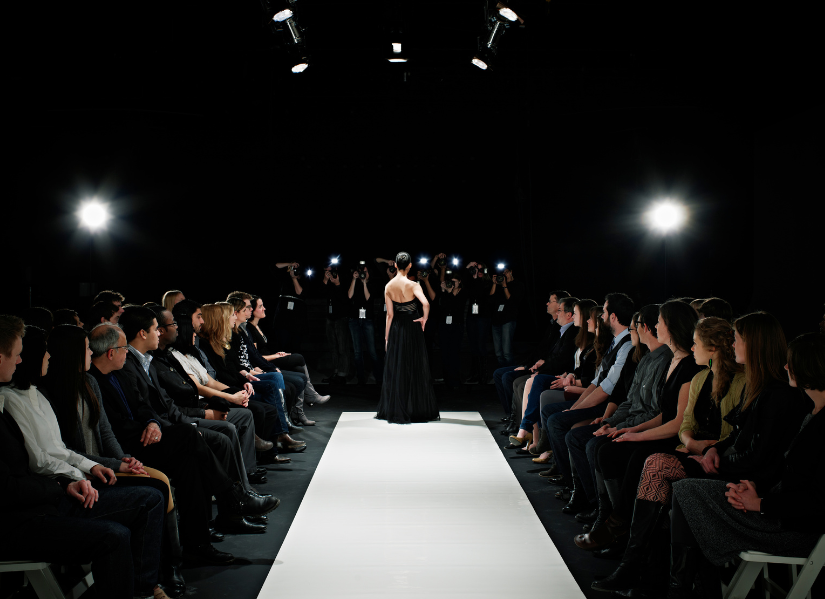
The fashion industry has long been defined by what happens under the bright lights - runways, campaigns, and carefully curated moments of glamour. But beyond the catwalk lies a far more complex, fast-evolving world shaped by technology, global markets, and an urgent need for sustainability. For today’s graduates, breaking into fashion is no longer just about creativity or connections; it requires adaptability, awareness, and a clear understanding of where the industry is headed next.
In Beyond the Catwalk, we profile QUT alumni who are carving out careers across the fashion landscape. Their journeys reveal that there is no single pathway into the industry. What unites them is not just where they started, but how they’ve navigated an industry in constant transformation.
Through their insights, we explore the forces reshaping the industry. From the growing impact of AI and technology, climate change and sustainability.
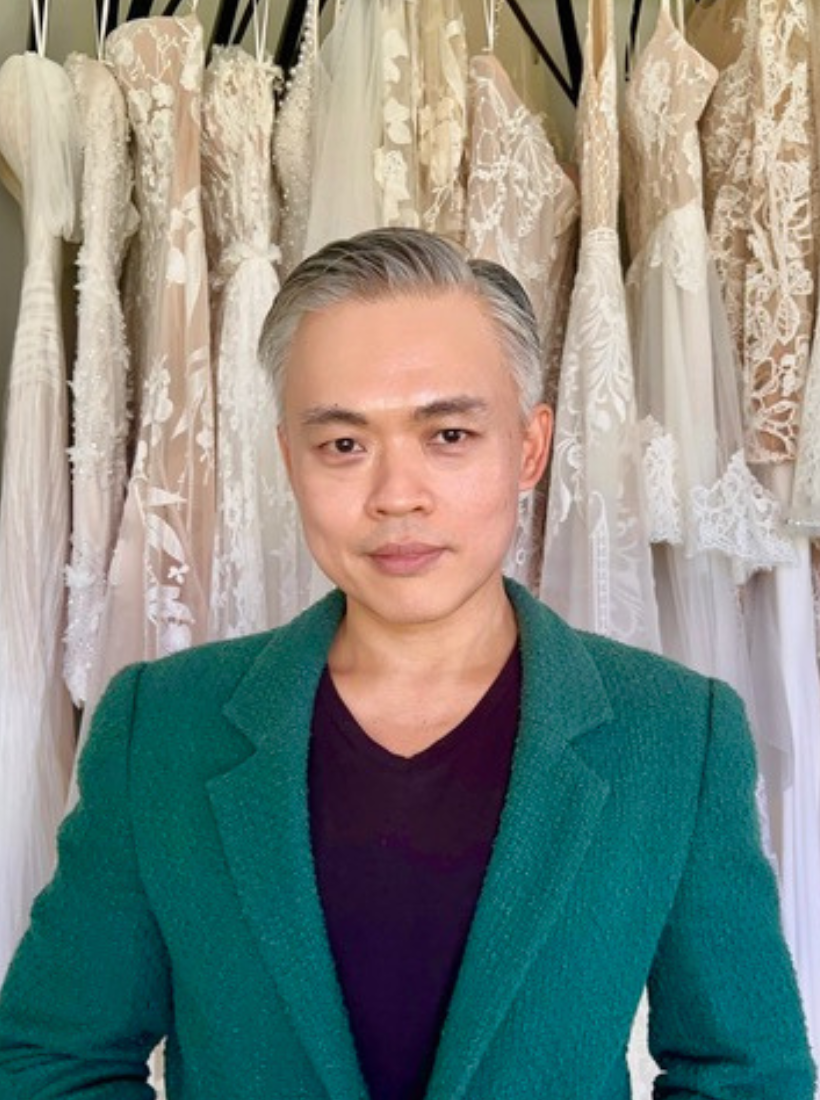
George Wu, Fashion Designer at George Wu
What future shifts do you foresee in the fashion industry?
The fashion industry is becoming so fragmented that I expect it to be less about broad trends and more about which specific culture you find relevant. Social media has become a place where people find their own sense of belonging, so I believe businesses really need to focus on who their specific customer is and ensure that matches the unique strengths of the business. We are going to see less and less "mainstream" fashion that everyone follows; instead, fashion will be about sending a signal of who you are and where you belong.
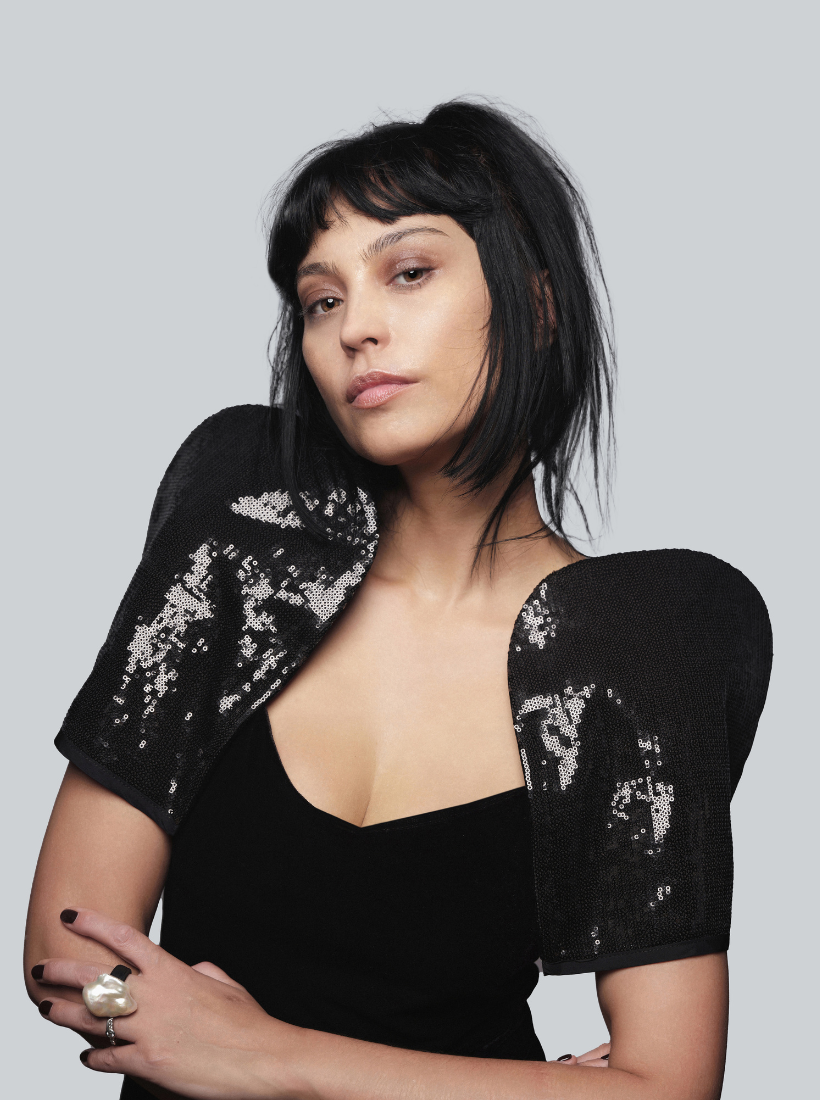
Gail Sorronda, Fashion Designer at Gail Sorronda
What future shifts do you foresee in the fashion industry?
I foresee fashion evolving towards a more symbiotic relationship with the human body, enhancing comfort and expression. On a macro level, the system and upper echelons may push a trans-humanist agenda, with AI increasingly influencing how we consume fashion, both positively and negatively. Additionally, I anticipate a backlash against this techno-consumerism, leading to a revival of nostalgic, tangible experiences in fashion. Old-fashioned methods can still be innovative, and ideally, the future of fashion will allow us to navigate and hold space in an increasingly polarized world.
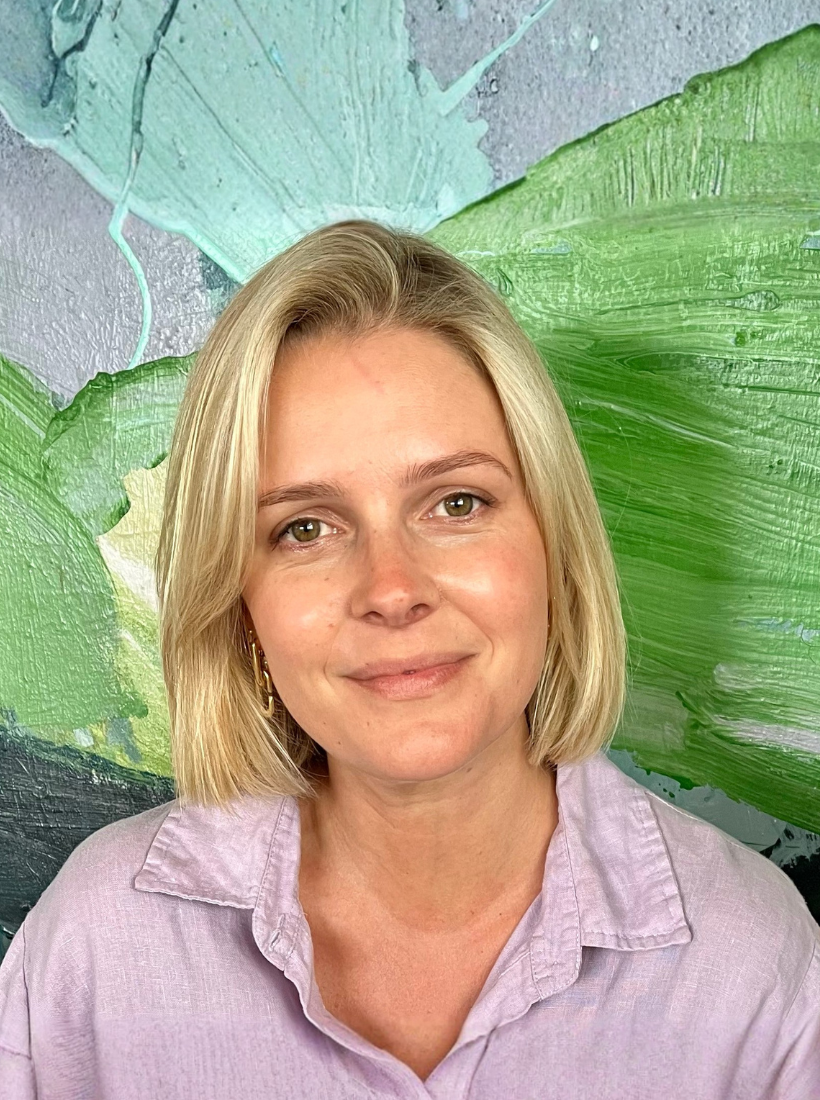
Dajana Hazle, Creative Director of Cotton On Kids
What future shifts do you foresee in the fashion industry?
The impact of AI will be enormous and those in the creative and fashion space who don’t learn how to use it to their advantage will be left behind. I have heard so many creatives scared of the impact of AI on their roles, but we are already using it in so many ways that enhance and allow us to build on our creative ideas rather than take from them. AI will always need true creatives to direct, brief & guide it with their ideas, so this is where creatives should focus their energy.
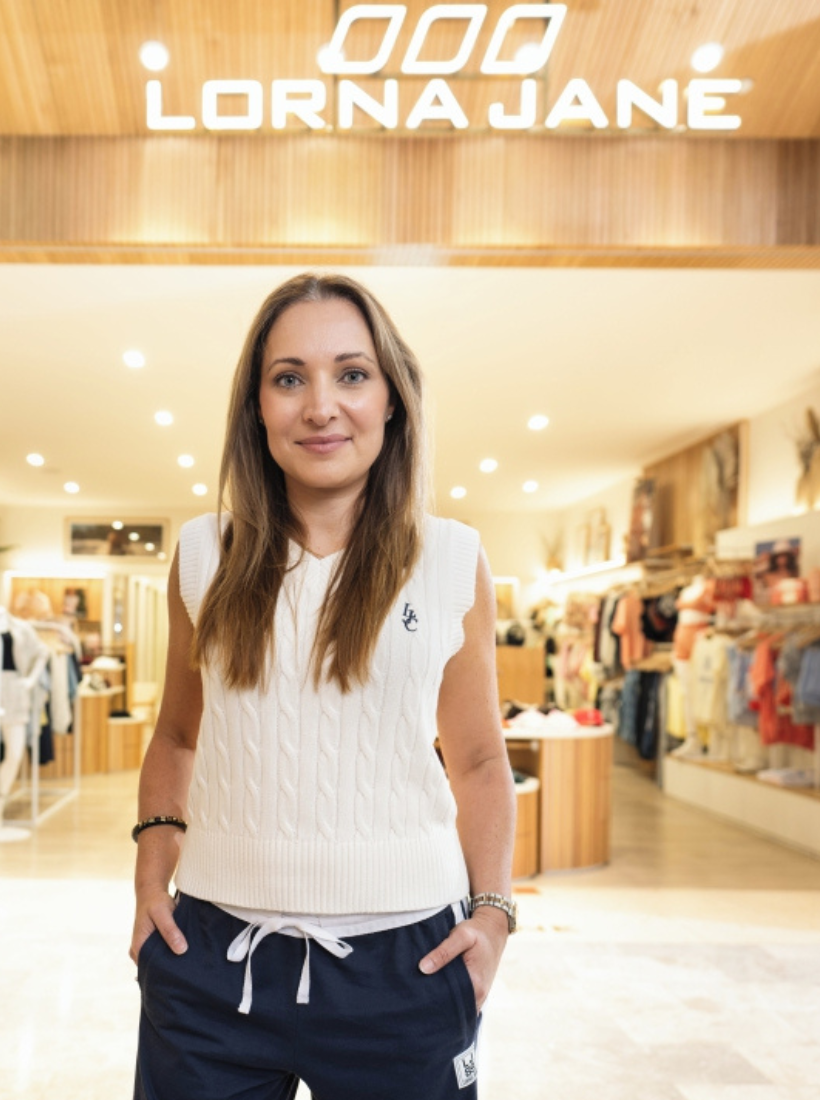
Anna Fowler, CEO of Lorna Jane
How is sustainability reshaping the fashion industry?
Fashion has a responsibility to do better, for our planet and for the people who make and wear our clothes. Sustainability isn’t a trend for us; it’s our commitment to designing garments that last, reducing waste, and improving how we operate across the entire supply chain. At Lorna Jane, we’ve improved product durability so garments can be worn longer. We’re investing in greater transparency and long-life design principles. My work with Seamless reflects my belief that our industry must lead the shift toward circularity and shared stewardship.
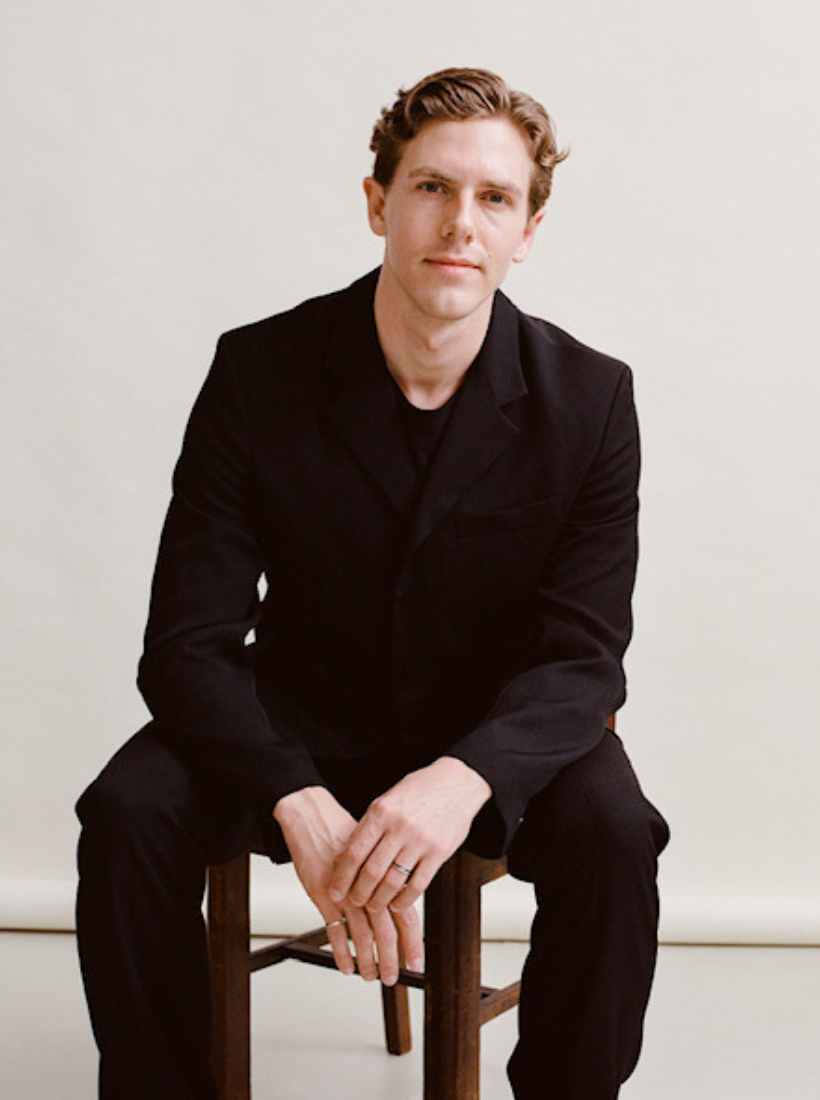
Matt Willms, COS Global Head of Controlling - Marketing and Communications
What future shifts do you foresee in the fashion industry?
The cost-of-living crisis is a global challenge and it directly impacts fashion as the industry relies heavily on consumer spending. At the same time, populations are ageing, and this older demographic tends to be more financially secure, with greater discretionary spending power. We can already see customers who previously shopped luxury trading down to more moderately priced, high-quality items. I expect the accessible luxury segment, which sits between the high street and the high end, will continue to expand with a demand for long-lasting, high-quality craftsmanship without the staggering luxury price point. I’m looking forward to seeing which brands capitalise on this space.
Author

Jenni is an innovative communications, marketing and engagement specialist with fifteen years of industry experience. She is also a proud QUT alumnus with a Bachelor of Creative Industries (Interdisciplinary).