By Amanda Maslin, 2 March, 2026
Curious where a science degree can take you? At our recent Science Careers Webinar, hosted by Careers with STEM, we heard from three scientists whose paths into science were anything but predictable.
One of the most striking similarities between each of our webinar speakers was that none of them followed a straight line into science. Each of them began in a completely different field; creative arts, hospitality, and veterinary practice; before discovering the scientific passion that now defines their careers.
Watch the webinar
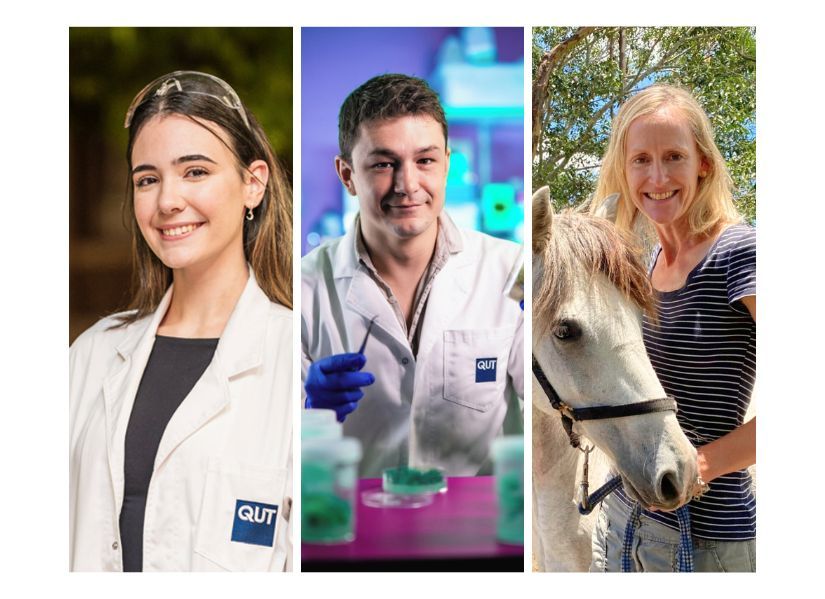
Meet the speakers
- Carmen Martinez Harris, QUT Bachelor of Science (Physics) graduate and current Master of Philosophy (Astrophysics Research) student, exploring nanotechnology, space policy and Indigenous astronomy.
- Jordan Gemmell, QUT Bachelor of Science Advanced (Honours) (Biological Sciences) graduate and current PhD candidate researching plant stress responses and how to grow vegetables in space.
- Professor Melody de Laat, QUT researcher and veterinarian linking horse diets, hormones and disease.
Carmen: From Creative Industries to the Cosmos
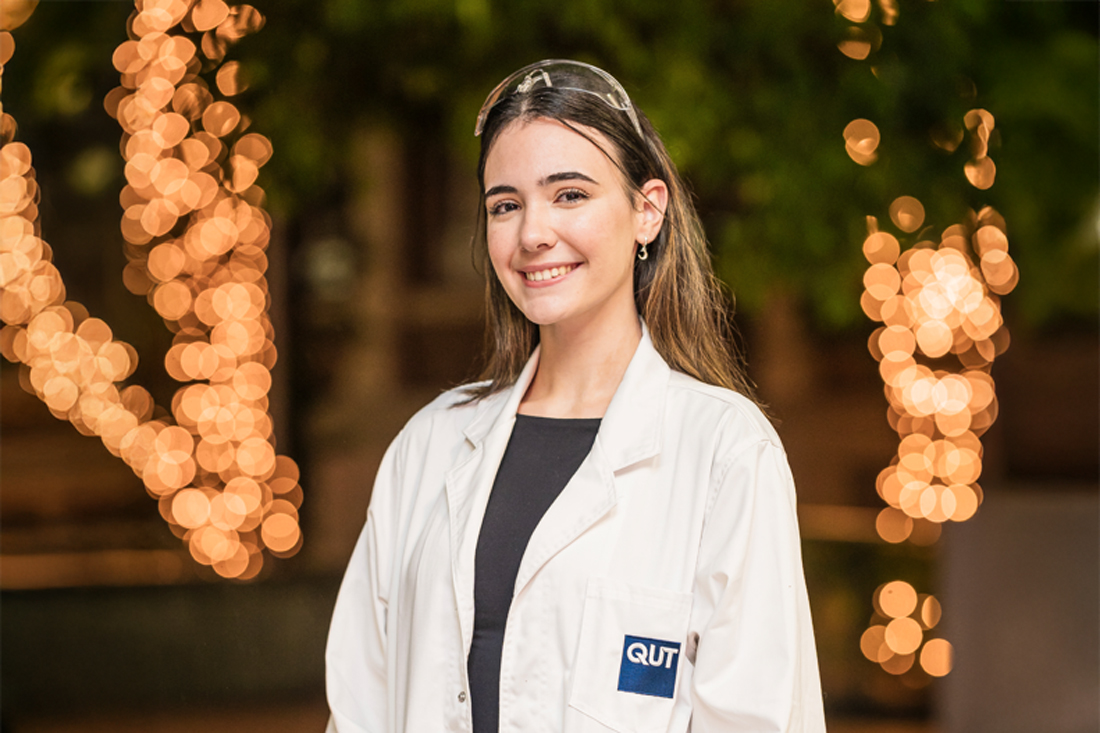 Carmen Martinez Harris transitioned from the creative industries into astrophysics, taking a non‑traditional path that began without high‑school physics or advanced maths.
She has already built a diverse research portfolio spanning nanotechnology, lithium-ion batteries, Indigenous astronomy, and computational astrophysics. She now studies galaxy evolution and mentors high‑school students exploring STEM.
Carmen shared that she didn’t take the 'required' subjects for astrophysics in high school.
'I took quite a non‑traditional path into university as I didn't complete any necessary physics or math courses,' she explained
Despite this, she pushed forward, supported by tutoring, peer review, and a strong university community. Her message to students who feel like science “isn’t for them” was powerful:
'You are completely limitless… all you have to do is ask for help.'
Jordan: From Chef’s Whites to Space Plants
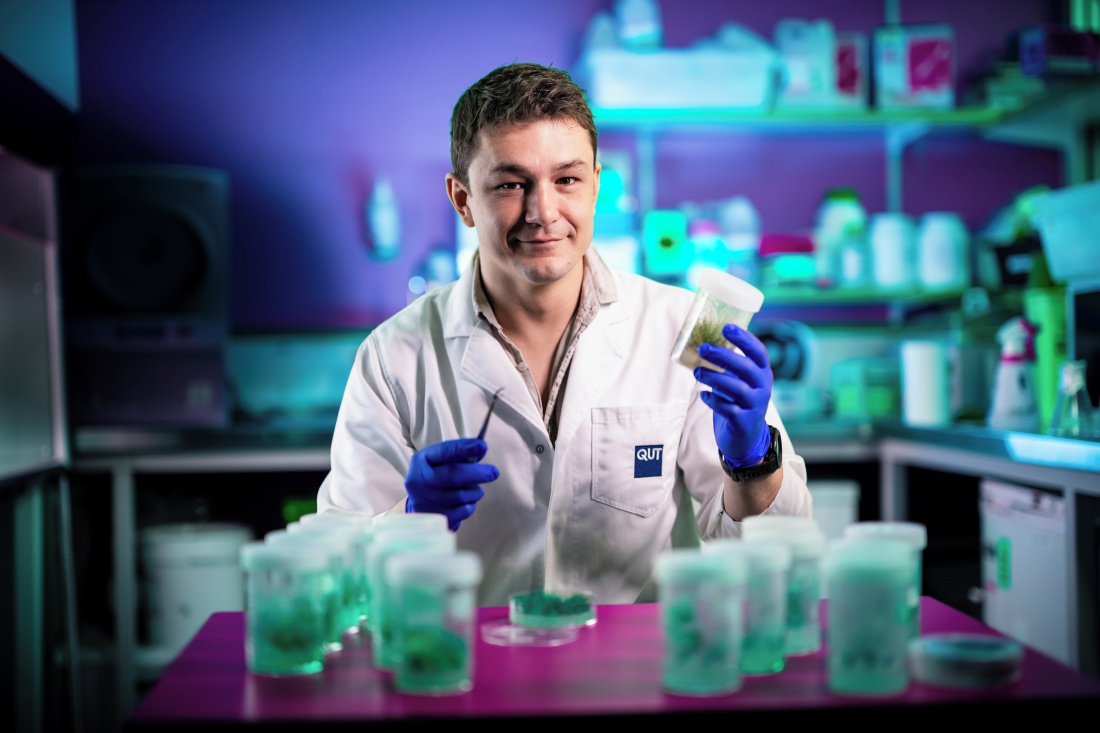 Jordan Gemmell, began his career in hospitality and worked as a chef before pivoting into plant science. His research focuses on how controlled stress responses can boost crop performance and climate resilience. He also works on the Australian Lunar Experiment (ALEPH), exploring which plants could survive extreme conditions on the Moon.
'I didn’t study biology in high school… I worked as a chef for several years,' he said.
But his lifelong connection to food eventually led him to research food security and plant resilience. Now he’s helping select plant species that might one day grow on the Moon.
He explained why stress research matters for both space and Earth: 'Stress can induce these protective pathways… we can actually create plants that are higher performing, more stress tolerant.'
Melody: From Veterinary Practice to Global Research Leader
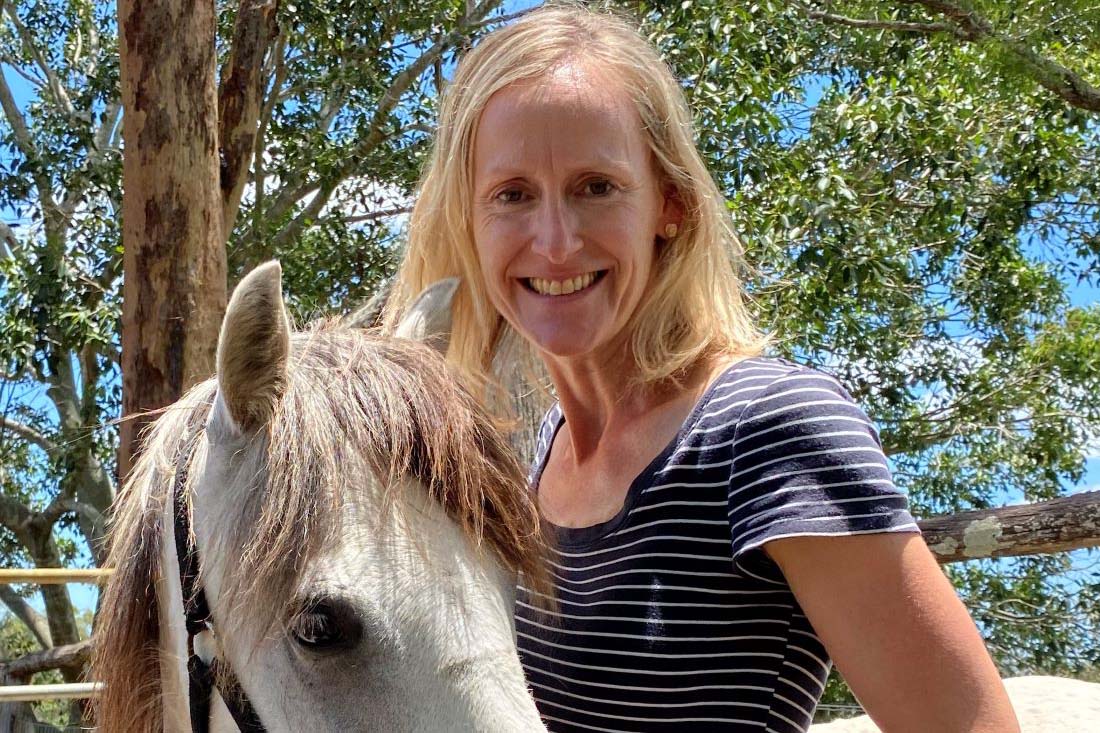 Professor Melody de Laat, clinical and research veterinarian, is a global leader in equine metabolic health and laminitis research.
Originally a practicing veterinarian, she later moved into research to solve complex biological problems affecting horses, pets, and livestock. Her work on insulin-related laminitis ranks among the top 1% of animal science papers worldwide.
Melody always loved animals, but even she didn’t follow the expected academic path.
'I did not do biology at school… I did physics and chemistry,' she noted.
After years as a practicing vet, she became frustrated by diseases she couldn’t fully solve, especially laminitis, a painful and often fatal hoof condition in horses. That frustration became motivation: 'I wanted to learn more… and help other veterinarians treat animals more accurately.'
Her research now helps horses, cats, dogs, and livestock, and she collaborates widely—from plant scientists to wildlife rangers—highlighting the importance of interdisciplinary teamwork.
A Shared Message: You Don’t Need to Have It All Figured Out
Across all three stories, a clear theme emerged: your first choice doesn’t have to be your final destination. Each of them found their way into science through curiosity, courage, and a willingness to change direction.
As Carmen put it, 'My place in this field is not defined by the assumptions of the people around me.'
Where could Science take you?