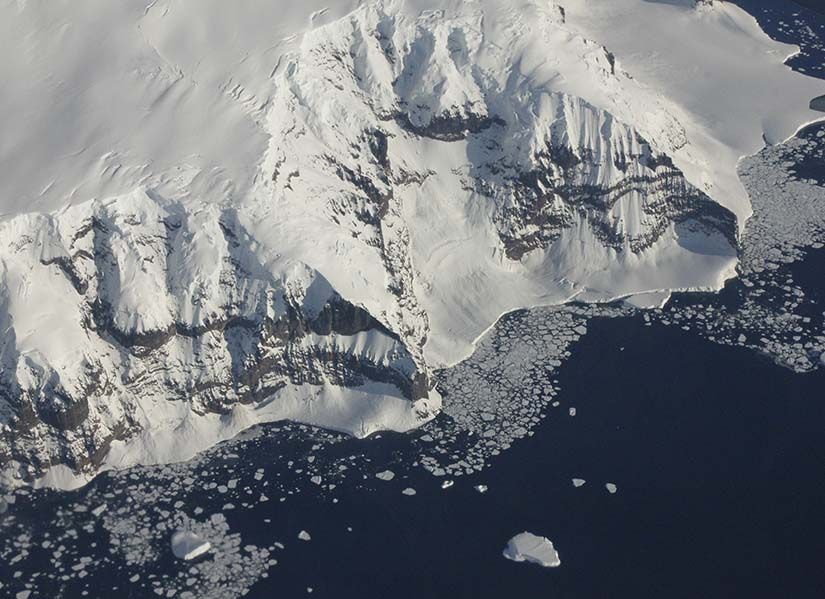
By Amanda Maslin, 17 March, 2026 | Photo credit: Stella Fish
Postgraduate research looks different for everyone; for Stella Fish, it has meant soaring above Antarctica to better understand the tiny plants that survive in its harshest corners. Stella’s research dives into the hidden world of Antarctic mosses, liverworts and lichens: tiny, resilient plants that quietly shape one of the planet’s most extreme ecosystems. In this Q&A, Stella shares how a childhood fascination with moss led her to the icy continent, what it’s like to witness Antarctica from the air, and how her work is helping protect fragile polar environments for the future.
What is your research degree focused on?
My masters degree is focused on Antarctic bryophytes (mosses and liverworts) and their conservation. For East Antarctica, where Australia has three Antarctic research stations, we still don’t have a complete understanding of which species are present and where they occur. This uncertainty around species means that we are unable to make informed decisions on terrestrial biodiversity and how best to protect them.
Bryophytes in Antarctica are restricted to ice-free areas, patches of land that aren’t covered in ice, which is also where human activities are concentrated. As research stations expand and tourism activities diversify and grow, it is important to understand what species grow and where, to ensure we are able to minimise our impact and protect these unique plants into the future, even when they co-occur with sites where humans go.
 What first sparked your interest in this area of study?
I first became aware of mosses as a child. There was an alleyway near my primary school which had the most luxuriant moss growing in it and I was fascinated by its colour and texture. It wasn’t until I began my Botany degree at the University of Otago, New Zealand, that I met several staff that encouraged me to pursue these minute plants.
My interest in subantarctic and Antarctic ecosystems came later though, after a trip to the Australian and New Zealand subantarctic islands in 2022 and was cemented after a return trip the next summer.
How does your research connect to broader conservation work?
Biodiversity is threatened and declining globally as a result of climate change and other human impacts. Despite bryophytes importance in ecosystems and their diversity, most likely because they are small and tiny, they are often an overlooked and understudied plant group on most continents, not just Antarctica.
As a member of the Securing Antarctica’s Environmental Future (SAEF) program at QUT, my research feeds directly into wider conservation and ecological research in Antarctica to inform ongoing conservation activities in this region. My project is supported by Australian Antarctic Division, who are a partner of SAEF, so I have the unique opportunity to gain great insights into how government scientists deliver science information into real-world decision making and Antarctic policy.
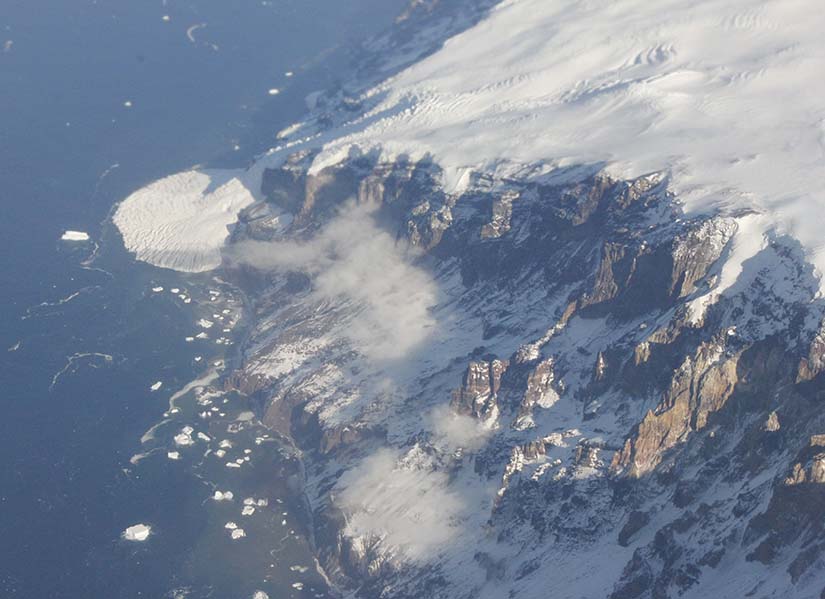
Photo credit: Stella Fish
How did the opportunity to fly over Antarctica with the Antarctica Science Foundation come about?
I had previously applied for a grant with the Antarctic Science Foundation and was invited to be a volunteer for them on a trip run by Antarctic Flights to raise awareness and funds for Antarctic research by sharing my research with the guests onboard. I have worked as a guest lecturer for tourists before, explaining science to the general public.
What was it like flying over all that ice?
The enormity of Antarctica was breathtaking. To see the Transantarctic Mountains marching alongside the Ross Sea, the Ross Ice Shelf and the icy heart of Antarctica’s polar plateau stretching away into the distance. And to know that amongst the snow and ice, perched on nunataks and in valleys, that tiny bryophytes are growing. It was very special.
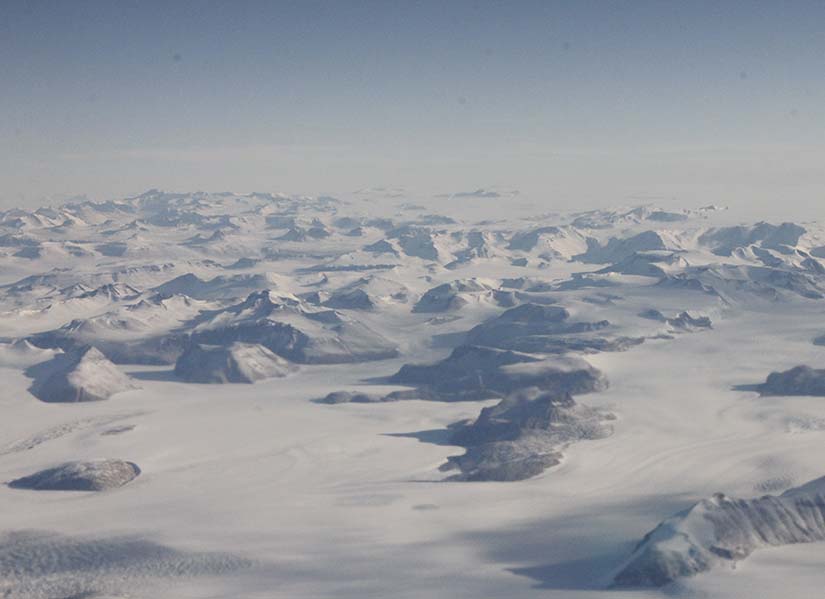
Photo credit: Stella Fish
How has this experience influenced the direction of your research or your future career plans?
This has only increased my appreciation of Antarctica and the role that Australia has in its protection and research. I look forward to continuing studying this incredible place.
What advice would you give to students wanting to pursue research that intersects with climate or environmental studies?
Take as many volunteering or extra-curricular opportunities as feasible, even if they seemingly aren’t directly linked to where you want to end up. Investing your time into learning new skills and meeting new people is invaluable and often opens up new opportunities you otherwise won’t know about.