Considering becoming a researcher?

A research degree is ideal if you're looking to pursue your studies at a higher and more detailed level.

It can lead to a career in industry, government or academia, and you can become an expert and leader in your field.

At QUT, we also have financial support and scholarships to support our researcher students.

Pathways to research

Honours

An honours degree is usually a year of study additional to your bachelor degree. In some 4 and 5 year degrees you will need to complete an honours pathway in the final year. If you achieved high results in your undergraduate study, you may be able to complete an honours degree.

As part of the course, you'll work closely with a supervisor to complete a research project in your field of study.

If your results are good enough, an honours degree can give you the opportunity to progress on to a PhD.

Honours degrees

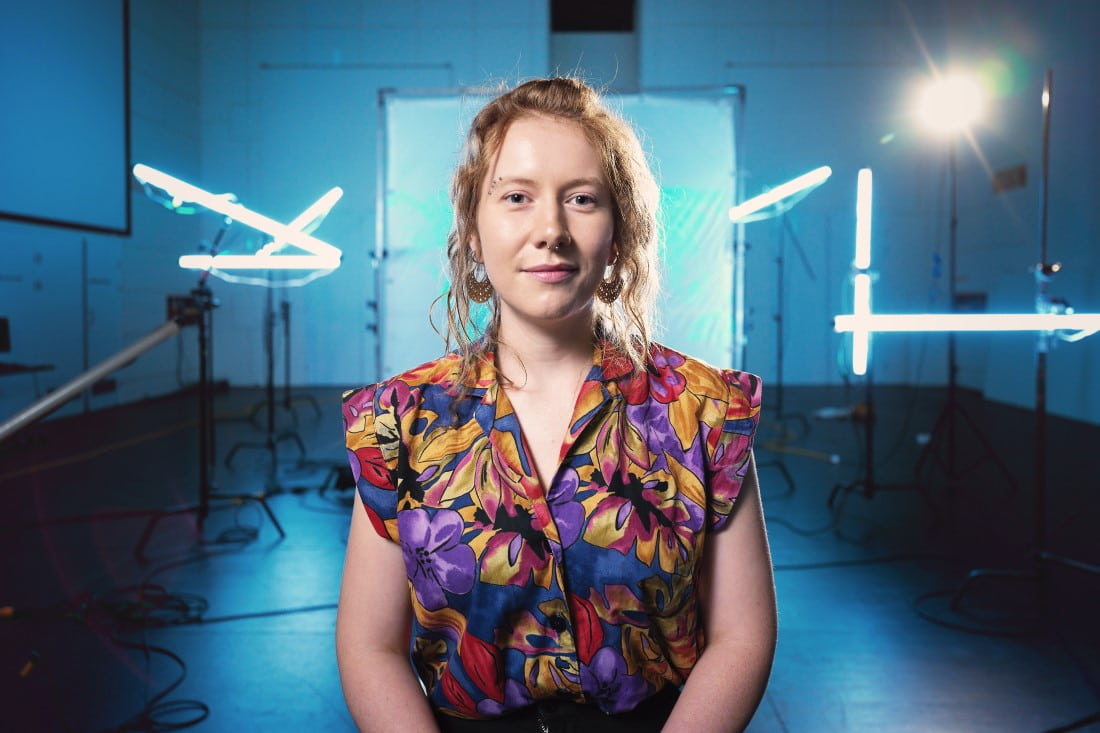
My time as a researcher allowed great intellectual freedom and discovery. Research has allowed me to work on the cutting edge of my field, and to contribute new knowledge in the area of medical engineering. I believe research is about charting new territory, which is an exciting and challenging experience.
Katrina McDonald
PhD graduate and Outstanding Doctorate Award winner 2010

Types of research degrees

Masters by research

A masters by research focuses your learning on a particular area of your field. A masters by research is a combination of coursework units and a major project.

Masters by research degrees

PhD

Studying a PhD will challenge you to make a significant and original contribution to knowledge in your field. A PhD can take between 3 to 5 years to complete. As a PhD student, you'll work closely with 2 or more supervisors to complete a doctoral thesis. You may also be involved in tutoring undergraduate classes, research presentations and conferences.

PhDs

Professional doctorate

A professional doctorate challenges you to create new knowledge to benefit your discipline and profession. Through a major project or a series of smaller projects, you can apply your professional knowledge and experience to make innovative contributions to your field.

Professional doctorate degrees

Postgraduate study pathways

Depending on your GPA, once you've completed your undergraduate degree, you can:

  • begin a masters, either by coursework or research
  • complete an honours year.

If you want to study a PhD, you'll need to have either:

  • successfully completed a masters by research
  • begun a masters by research, and progressed to the PhD program after 12 months
  • or graduated from an honours degree with a First Class or 2A Honours.

If you want to study a professional doctorate, you'll need to have:

  • successfully completed a masters by research
  • graduated from an honours degree with a First Class or 2A Honours
  • or completed at least 2 years of professional practice in your field.

Your study pathway will depend on your course and your faculty. See the course pages for more information.

Diagram of the research pathways

Costs

Masters by research, professional doctorates and PhD studies can be covered by government contribution for domestic students; if this is the case, you won't have to pay any fees. The Research Training Scheme (RTS) will cover the fees for any coursework units that you may have to study as part of your research degree, provided that you don't exceed your maximum RTS entitlements.

There are many scholarships available for postgraduate researchers, which can help cover the cost of your living and study expenses. A scholarship for research study will be like earning a salary. You may be eligible for a scholarship if you:

  • come from a low-income background
  • are of Aboriginal or Torres Strait Islander descent
  • are a woman
  • come from a regional or remote area
  • perform well academically.

There are also scholarships available to students studying in certain faculties or courses.

Scholarships for postgraduate research

What's involved in research

While you're completing your research degree, it's likely that you won't have structured classes. You'll complete a large research project. There are fewer hard deadlines to meet and much longer periods of time between them. During the course of your research, you'll have to meet certain milestones that will mark the progress of your research. You'll meet regularly with your supervisor, and will dedicate a lot of time to private research and study.

A research degree is treated like a full-time job, and many students study 9am-5pm. You'll be expected to commit at least 30 hours each week to your research if you're studying full-time, and at least 15 hours if you're studying part-time.

If you're studying internally, you'll conduct your research on campus. You may also be able to study externally, which means that you'll complete your research somewhere else in Australia or overseas.

You can start your research degree at any time of the year. However, if you have any coursework components, it's important that you begin studying in time to enrol in these classes.

Support

As a postgraduate student, you'll work closely with your project supervisor. Your supervisor, along with other staff and your faculty, will be available to help you and support you through your project. Don't be afraid to tell your supervisor if you are struggling; they were also a research student once.

Most students find research to be a rewarding experience, but, if you're feeling overwhelmed by it all, you should:

  • seek the support of others: friends, family, other research students in your school, your supervisor or a counsellor
  • develop self-management techniques that work for you
  • learn and understand the research process and what to expect at each stage of your candidature
  • engage with the research culture of your faculty and QUT
  • have a life outside of research. Make time for yourself, your friends and family and the activities that you enjoy.

Our Gardens Point and Kelvin Grove campuses have a Researcher's Centre: a study space dedicated to higher degree by research students.

Our services will help you fit postgraduate study into your life.

Training, support and facilities

Support

Campus services

Studying coursework units as a research student

All commencing PhD students will automatically be enrolled in IFN001 - Advanced Information Research Skills as part of their first year enrolment study plan, unless their faculty advises otherwise. This six-week course helps research students make the most of library resources and programs such as EndNote, which ensures that you will reach your full potential in the course of your research.

You might need to or be able to enrol in more coursework units, depending on your faculty. This will be covered during your application process.

Stay connected

Get just the information you want on courses, scholarships and events.