How will uni help me get ready for work?

One of the most common questions you get asked when you are at uni is what you plan to do after you graduate. Justice is incredibly broad, and there are so many ways the degree can work for you. Whether you have a solid career plan or want to see what’s out there before deciding, we’ll help provide plenty of opportunities to build your resume and get you work-ready.

What are workplace experience units?

By doing a justice workplace experience unit, you’ll integrate work experience with academic learning, which can make a big difference when you’re applying for your dream job or help decide what kind of career is right for you. There are four workplace experience units you can enrol in – one of which is mandatory. Unlike volunteering, these units are structured and will be assessed. You’ll work closely with a member of QUT academic staff, who will help provide feedback and support you on your journey.

Watch how Keesha’s work placement with the Fraud Integrity Unit at Suncorp gave her a better understanding of financial crime and opened a career pathway to her current position.

Where can I do placements?

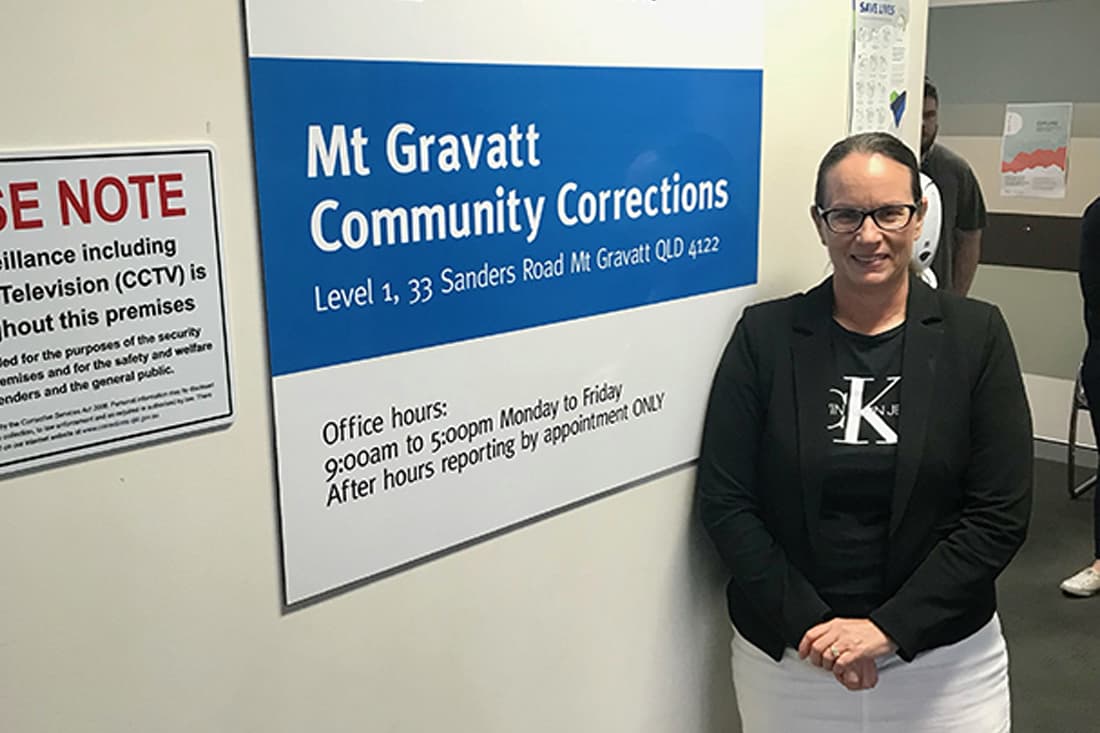
Justice students have gone into a vast array of roles and positions upon graduation. Take advantage of our connections with correctional services, victim support services, non-for-profit agencies, international aid agencies, child welfare agencies, and Indigenous advocacy groups.

QUT students have done placements at:

  • Queensland Treasury
  • Queensland Department of Justice and Attorney-General
  • Queensland Police Service
  • Suncorp Fraud Investigation
  • Australian Institute of Professional Intelligence Officers
  • Brisbane City Council
  • RACQ Fraud Investigation
  • Bravehearts Foundation
  • Youth Advocacy Centre
  • Friends-International

Be prepared

Introduction to professional practices

In your first year, we’ll help prepare you for the workforce by nurturing foundational skills you'll use day to day. We’ll teach you how to have outstanding academic literacy and professional skills, particularly the ability to source, understand and analyse written sources and synthesise evidence into professional written formats.

Learn more about this unit

Getting ready for the workplace

In your final year, you can choose to take the Justice Industry Project unit. It’s designed to help you get career-ready by focusing on planning your goals, building your professional identity, and improving your communication skills. You’ll also learn how workplaces operate and how to manage real-world projects, with support from expert teaching staff who’ll guide you every step of the way.

With the Justice Industry Project unit you can also attend a series of career panels featuring speakers from relevant organisations such as the Queensland Police Service, Queensland Corrective Services, and various other government and not-for-profit justice related agencies. In the final week, QUT alumni will visit to provide first-hand careers advice.

Take the opportunity to work on a contemporary policy or practice issue identified by an industry partner. Work on a contemporary policy or practice issue identified by an industry partner. Interact with representatives of justice professions, build your network, define your career aspirations and prepare for the workforce. You will have opportunities to interact with representatives of the justice professions and build your network as well as definite your career aspirations and prepare for the workforce.

Learn more about this unit

Take on additional placements

If you're passionate about a particular field or interested in exploring different career paths, you may have the opportunity to complete a placement as part of your course. These placements can be project-based or practical, and are available both locally (Professional Justice Placement unit),  remotely (Professional Placement in First Nations Justice Sectors unit) or internationally (International Justice Study Tour unit). Due to course structure, students typically undertake only one placement unit. Your academic supervisor will provide support and feedback throughout the experience.

Examples of placement work include:

  • Research papers
  • Policy documents
  • Literature reviews
  • Policy briefings
  • Planning documents
  • Other projects of work, at the discretion of the placement supervisor
  • Witness support
  • Volunteers in policing
  • Court support
  • Youth work
  • Other approved justice and/or policy-related volunteer work

Placement partnerships

Experience an Indigenous justice placement

Apply the knowledge and theory you’ve gained from other units to practice within an Australian Indigenous justice context. This unit gives you the chance to gain real-world experience through a professional placement with a First Nations justice-focused organisation.


You'll work on a meaningful project that addresses a real issue identified by your placement organisation, with guidance from both academic and workplace supervisors. Along the way, you'll develop key skills like researching industry problems, writing professional reports and recommendations. It’s a hands-on opportunity to connect with industry, contribute to First Nations justice initiatives, and prepare for your future career.

Learn from expert  academic staff

Holding a Masters and a Bachelors Degree of Law, Christopher is admitted to practice law as a Barrister-At-Law. He has been an Inspector of Police for over 35 years, criminal investigator, prosecutor and legal advisor for the Queensland Police Service. He also leads the Indigenous Justice Placement unit, connecting students to relevant Indigenous justice-focused organisations and the QUT-Cherbourg project, where transdisciplinary student teams collaborate with industry partners on Aboriginal Community-initiated projects.

Learn more about this unit

Add international experience to your resume

Undertake a study tour abroad and stand out from the crowd when applying for your job. Study tours may cover a broad range of topics such as human rights or international justice problems and solutions. As well as another opportunity to apply the theory you’ve learnt, international study tours will open valuable new perspectives.

Read about studying overseas

Learn more about Justice at QUT

Justice Insights

Bachelor of Justice

Double degrees