By QUT Health Marketing, 26 February, 2026
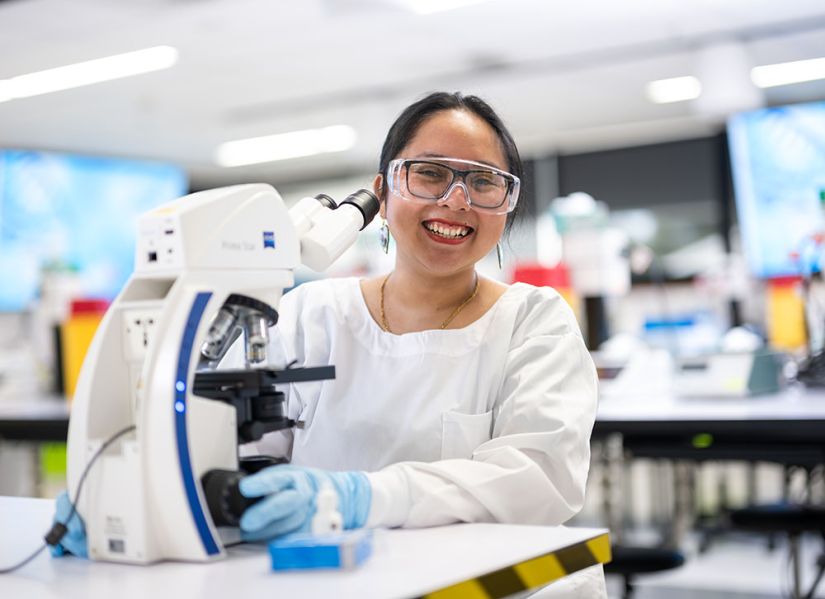
Explore the laboratories and technology you’ll use while studying biomedical science and medical laboratory science at QUT.
Both biomedical science students and medical laboratory science students investigate disease in humans and animals.
In a nutshell:
- biomedical scientists perform research to advance medical knowledge
- medical laboratory scientists perform tests and analysis on samples to help diagnose disease.
Both disciplines have knowledge in areas like anatomy, physiology and infection control, and both have strong lab skills.
To develop their skills and knowledge QUT students spend a lot of their time learning in laboratories. Here’s a sneak peek inside these facilities.
Jump to:
- Labs at Kelvin Grove
- Labs at Gardens Point
- Real student story - studying anatomical sciences
- Travelling between campuses.
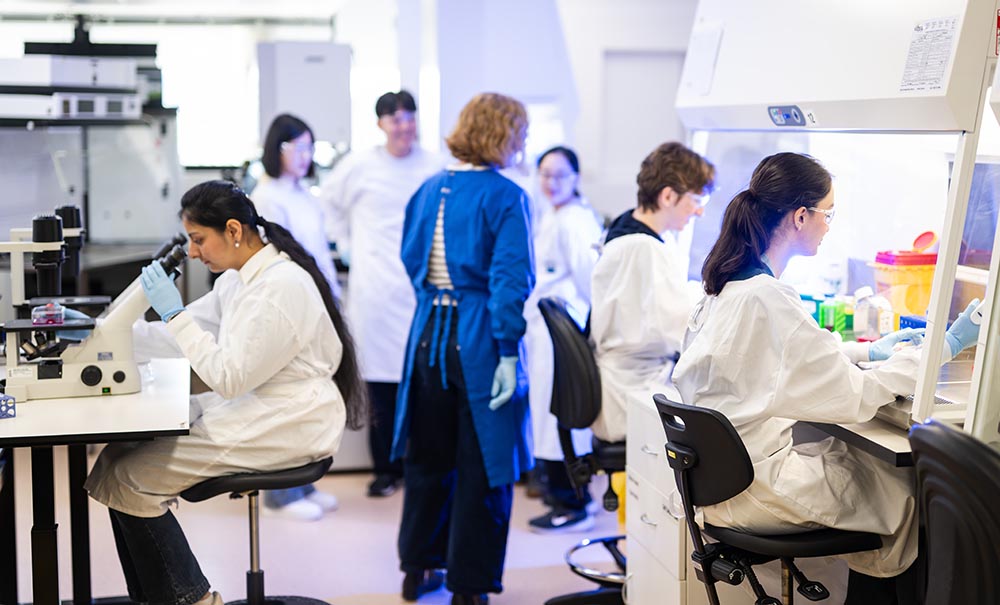
Kelvin Grove H2 Laboratory
The H2 Laboratory is a wet lab. Wet labs are used for experimental work involving liquids, chemicals and biological materials.
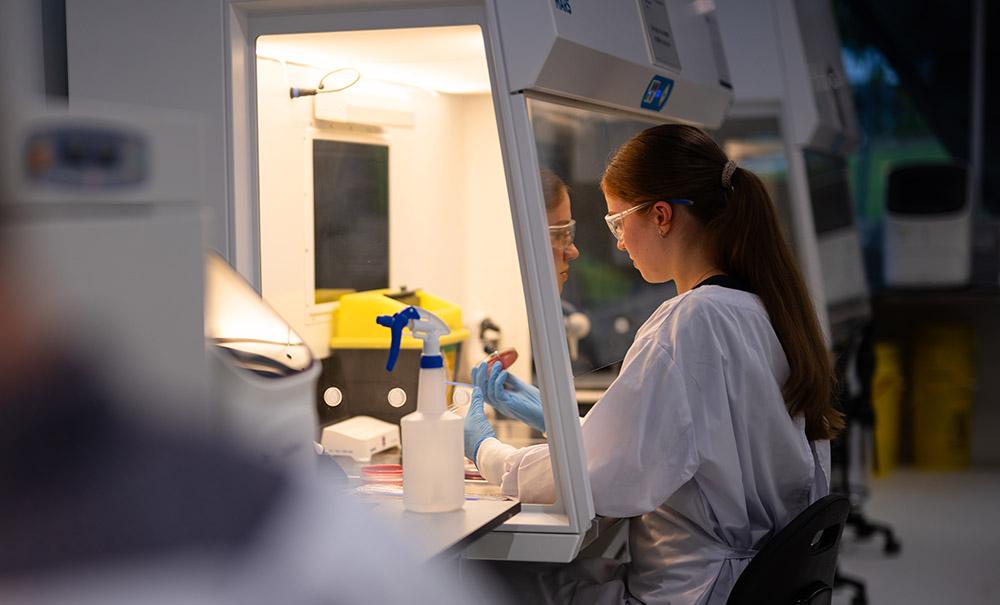
There is specialist equipment like fume hoods that reduce the risk of inhaling the substances you are working with and improve the accuracy and reproducibility of experiments.
There are lockers outside the labs where you will leave your stuff. While inside the lab you’ll wear protective equipment like gloves, lab coats and safety glasses.
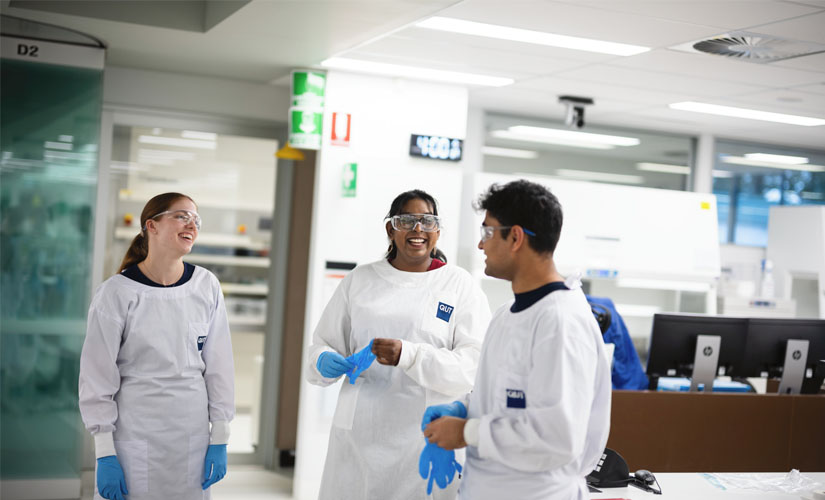
H2 Laboratory is where you will learn about immunology, virology, genomics and microbiology through activities and experiments.
Take a virtual tour of H2 Laboratory
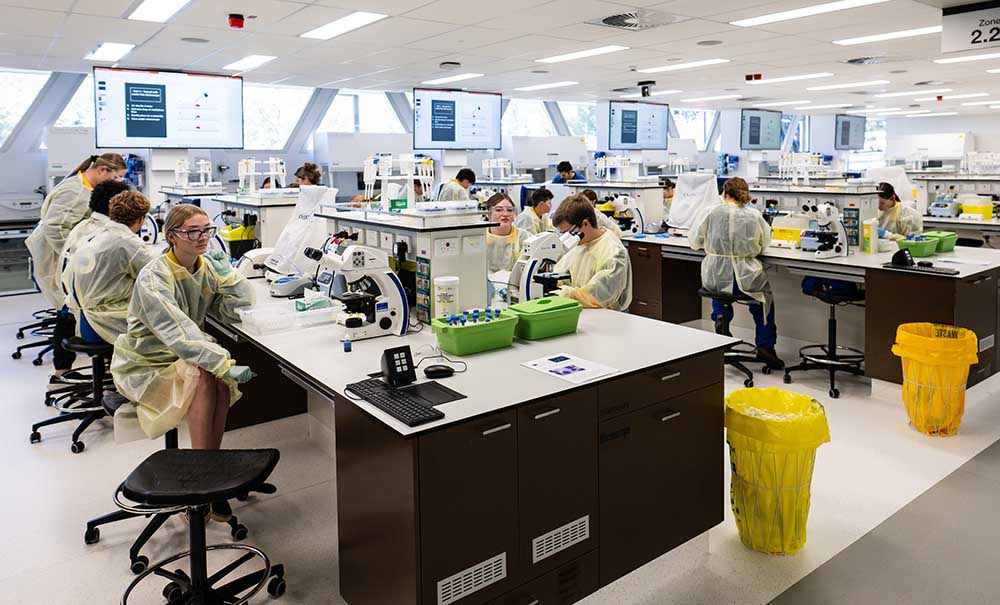
Gardens Point Super Lab
The Q Block Super Lab is a massive laboratory used for teaching students in both health and science degrees. The lab can fit 150 students at a time.
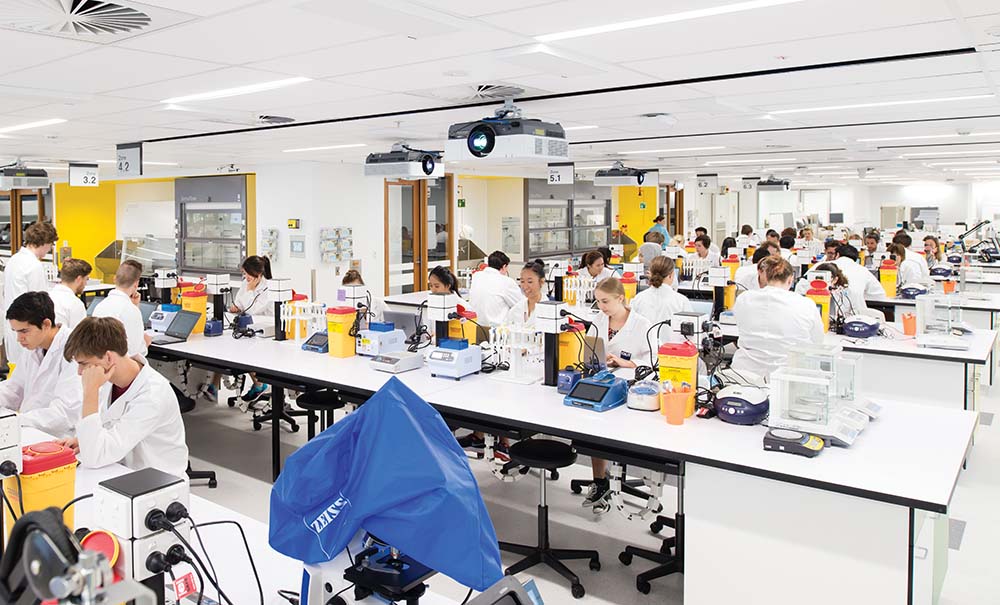
The equipment in the Super Lab is state-of-the-art allowing students to perform cell molecular investigations and explore pathology and physiology.
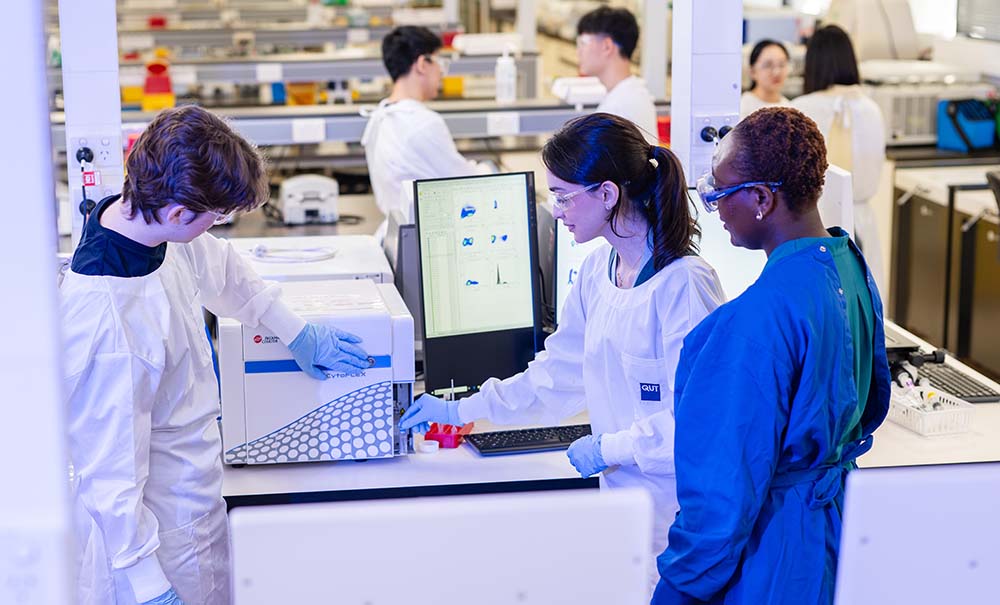
Take a virtual tour of the Q Block Super Lab
The anatomy and physiology labs and learning spaces
An essential part of studying health science is understanding the structure of the human body (anatomy) and how the body functions (physiology).
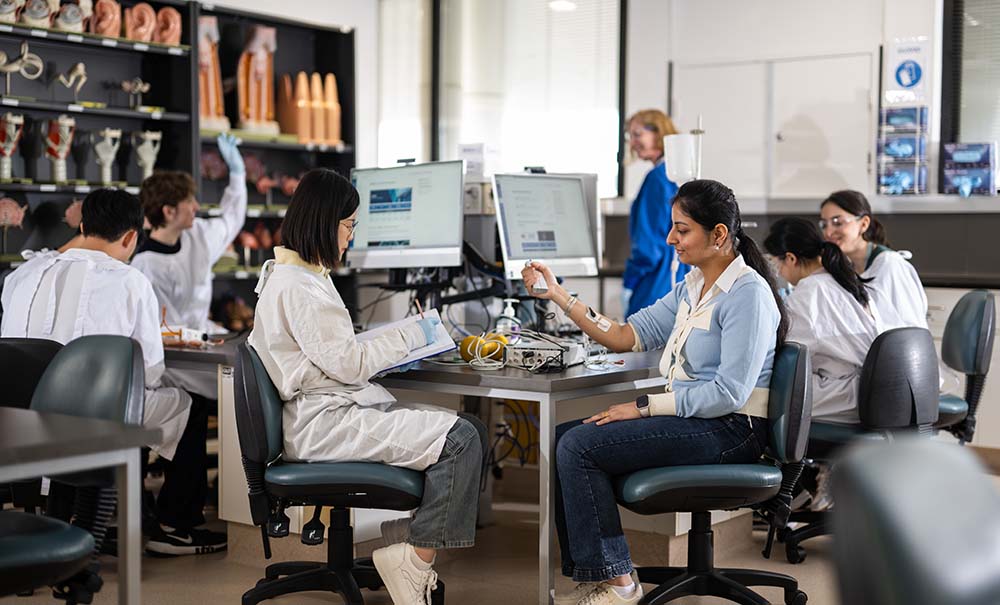
In Q Block learning spaces you will learn about human physiology, and you might perform tests on your classmates to get a better understanding of how the body functions.
Q Block is also the location for the anatomy laboratories where health students learn about human anatomy using models and donor material.

Real student story – studying anatomical sciences
‘One of my favourite units has been the anatomical dissection unit. It is an advanced capstone unit for the Anatomical Sciences major and involves bridging all the content learnt from previous years.
It has been fascinating being able to dissect human donor bodies and gain a spatial understanding of how all the organs come together to form the human body.
We also develop the necessary technical skills required to produce a prosection (a dissection of a cadaver) for the end of semester, which is used to benefit future anatomy student learning.’
Tabitha Chelliah
Read Tabitha’s story
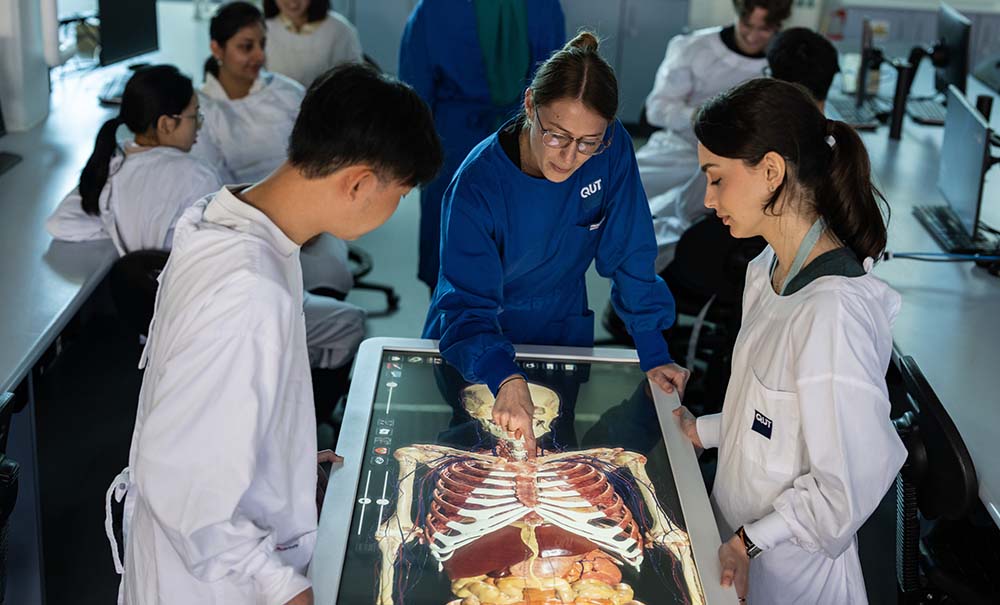
The Anatomage table is another piece of equipment you'll use as a student to study human anatomy.
The table features life-sized, 3D, digital representations of real human bodies. You can choose to look at different systems within the bodies or view slices of the bodies.
Getting around QUT campuses
Kelvin Grove campus
The Kelvin Grove campus sits on two hills with the Kelvin Grove Urban Village (shops, Woolies, bakeries and cafes) situated in between. The campus is serviced by the Kelvin Grove Busway station as well as bus stops on Kelvin Grove Road.
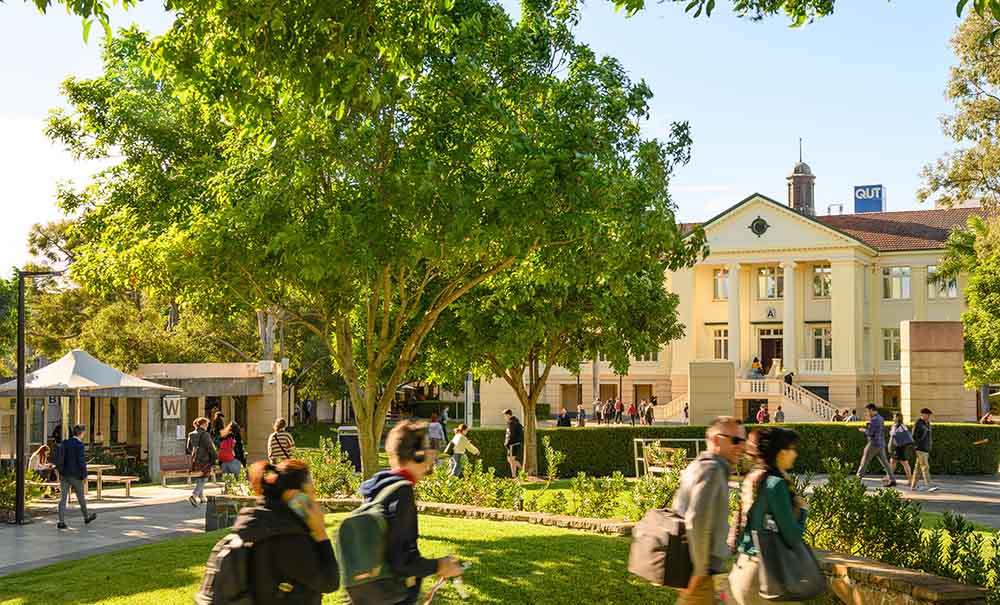
There are multiple parking spots around campus and parking rates are cheaper at Kelvin Grove than at Gardens Point campus.
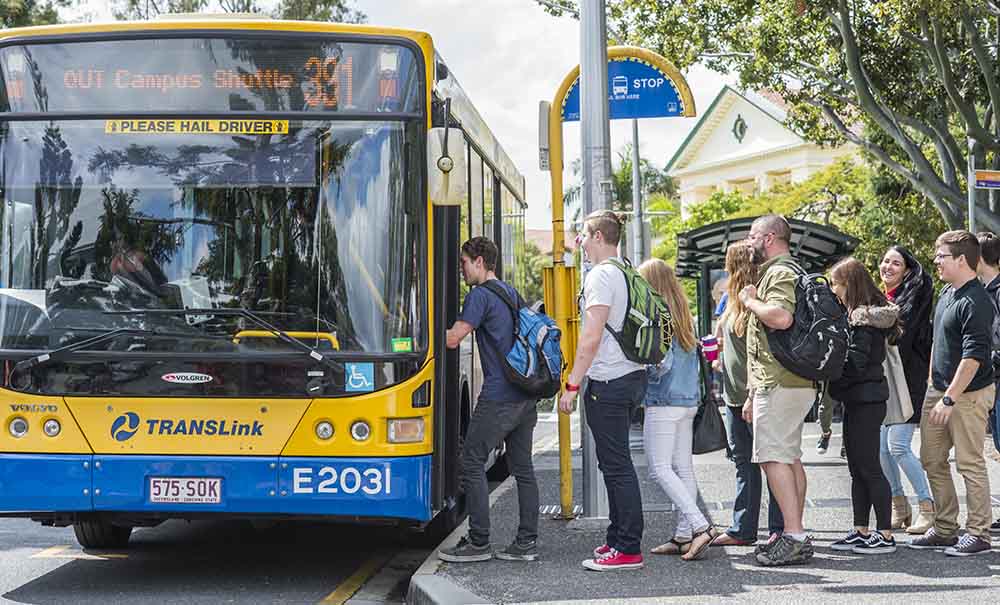
Free shuttle bus
Both campuses are connected by a shuttle bus that is free for QUT students. Shuttle busses depart every 15 minutes during semester.
Gardens Point campus
Located in the city, next to the Botanical Gardens, there are lots of public transport options for getting to Gardens Point campus. Both bus and train services to the city will put you close to the campus.
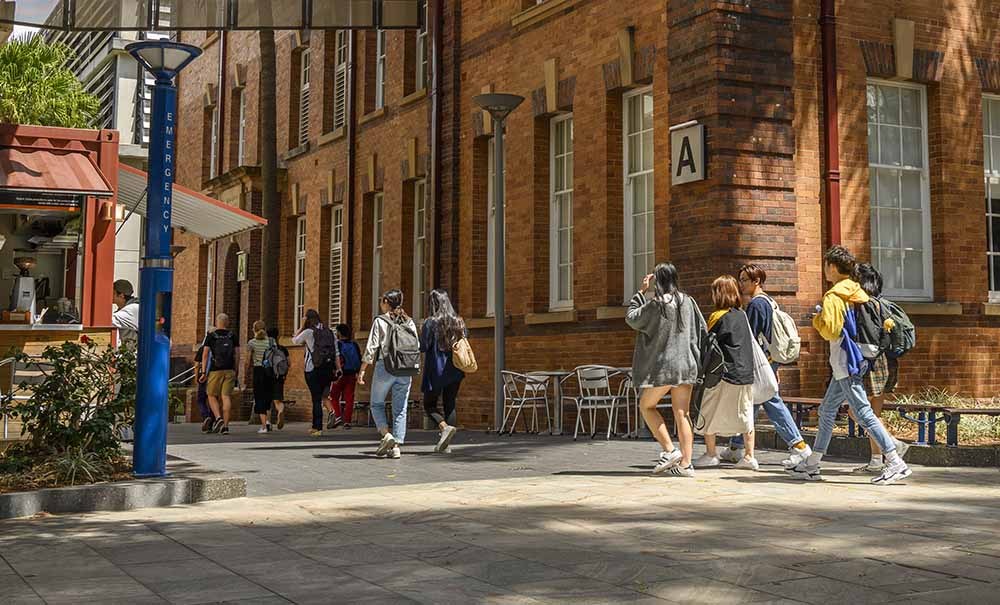
Students can also catch the ferry or walk across the bridge from Southbank.
Parking is available at Gardens Point but it is more expensive, so a good tip is to park at Kelvin Grove and catch the shuttle bus to Gardens Point.
To find out more about the campuses explore QUT campuses and facilities.
Find out more about our courses
If you’re excited by the idea of learning in a laboratory consider coming to QUT Open Day to check out the labs yourself. You can also talk to current students and staff.
Read our biomedical science and medical laboratory science student stories to find out more about what it’s like to study at QUT.
Explore your study options by checking out the course pages: