By Margie McKay, 21 May, 2026
On your feet and hands-on at QUT. Take a look at the learning spaces where you will put theory into practice.
University life doesn’t have to mean long hours behind a desk, especially if you’re studying a Bachelor of Sport and Exercise Science at QUT’s Kelvin Grove campus.
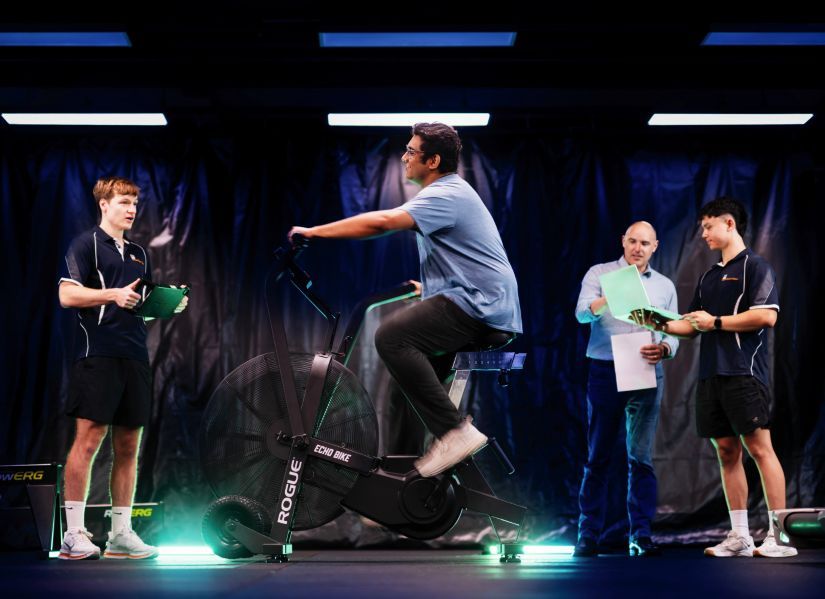
Here, learning is active. Your days move between lecture theatres, specialist laboratories and purpose-built practical teaching spaces. You’re testing, measuring and applying what you’ve learned in real sport and exercise science environments. Theory still matters, but at the university for the real world, it’s designed to be used.
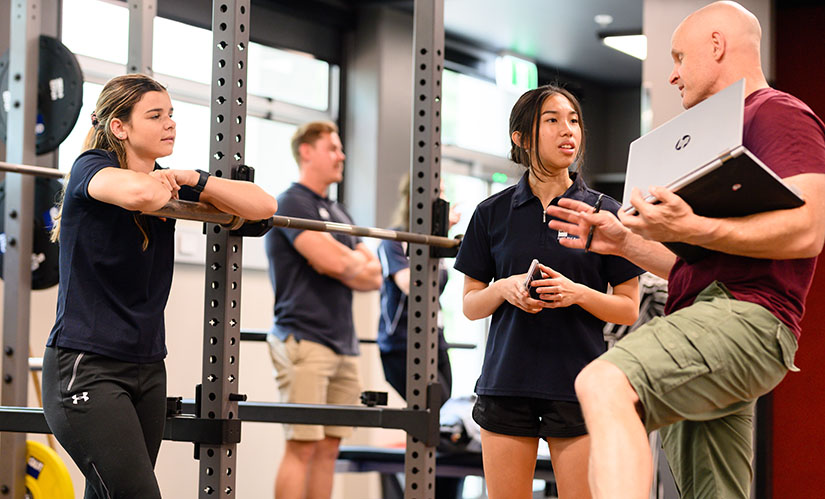
At Kelvin Grove, industry standard facilities support hands on learning across strength and conditioning, biomechanics, physiology and performance analysis. These spaces mirror professional sport, health and clinical environments, helping you build practical skills and confidence before you graduate.
Joshua Stokes chose to study a Bachelor of Sport and Exercise Science at QUT for exactly this reason:
“QUT stood out to me because of its strong focus on real-world learning. The course is hands-on, the facilities are great, and the lecturers have genuine experience in the sport and exercise industry. I liked that the degree wasn’t just about theory—it prepares you for the type of work you’ll be doing once you graduate.”
As you progress through the degree, you take on increasing responsibility, preparing you for 280 hours of professional placement in settings such as sporting organisations, schools, fitness centres and high-performance sport environments. Access to QUT’s facilities is a key part of your journey towards confident, independent practice.
Jump to:
- Sport and exercise resistance training laboratories
- Biomechanics and performance analysis facilities
- QUT Sports Field at Kelvin Grove
Inside sport and exercise resistance training laboratories
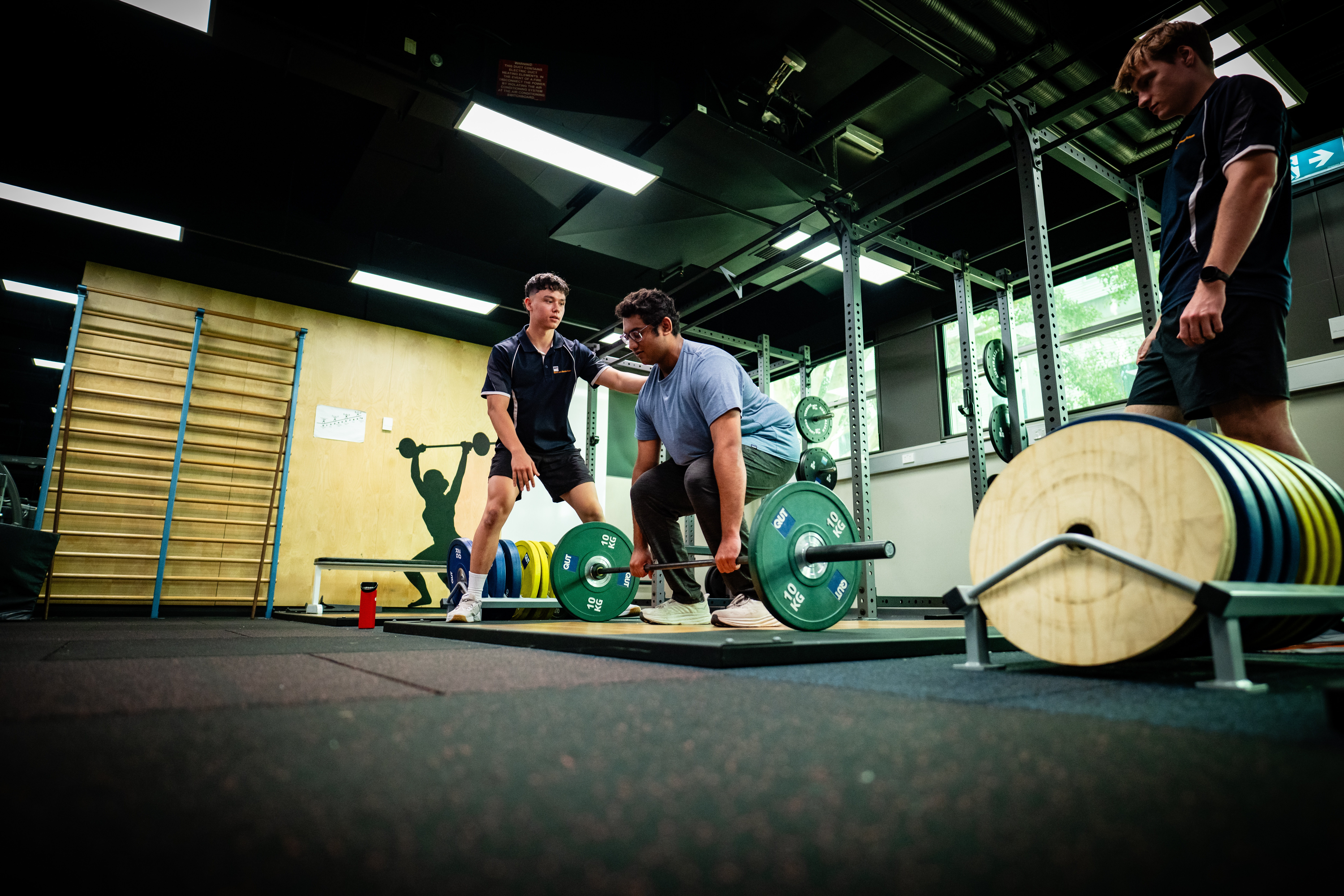
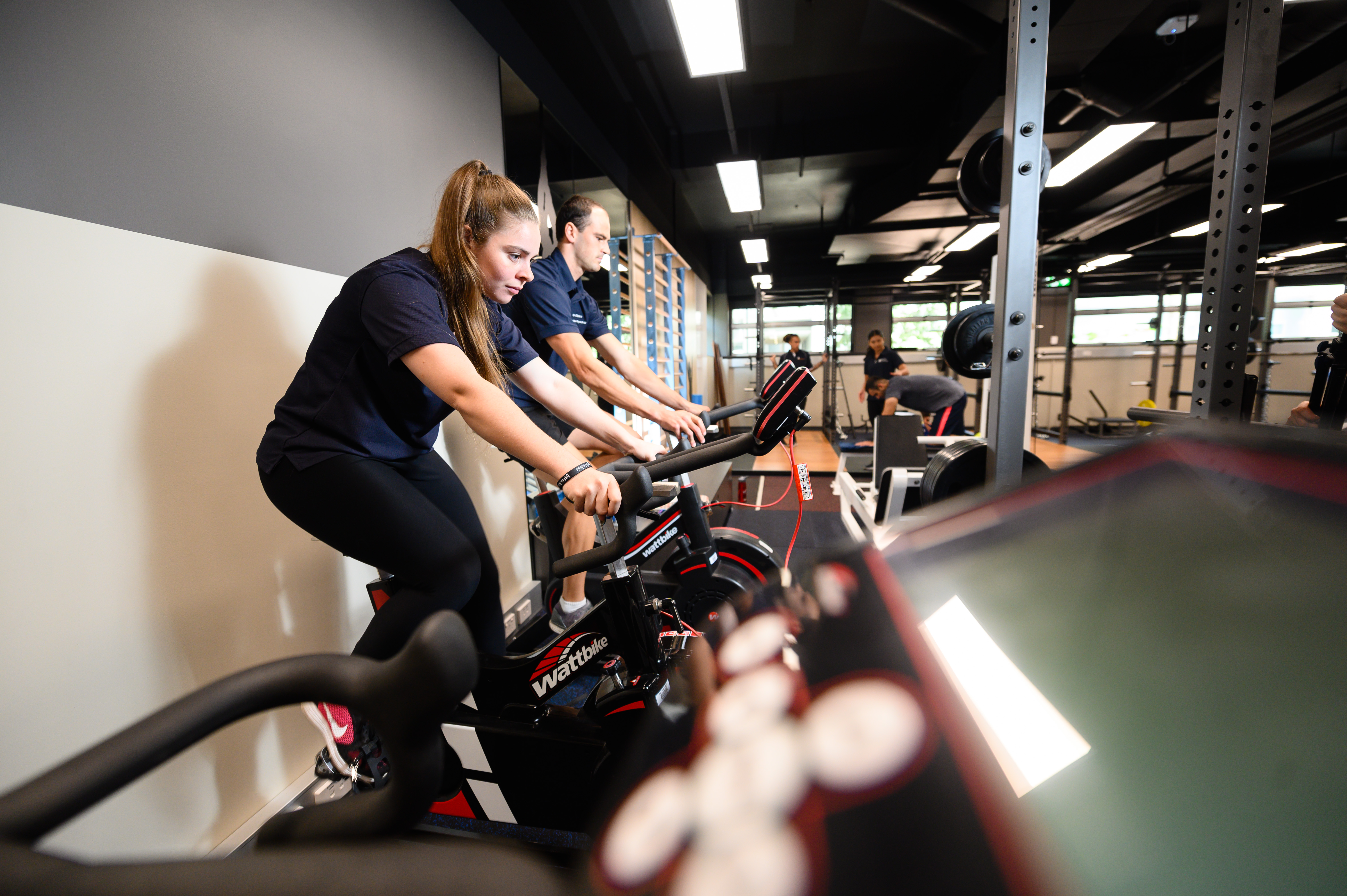
A core part of sport and exercise science learning at QUT happens in the resistance training laboratories.
Here, you learn how to use weight-based training for athletic performance, injury rehabilitation and clinical exercise therapy. Practical sessions place you in the role of practitioner where you plan, instruct and evaluate exercise programs in realistic settings.
In these labs you’ll:
- practise exercise prescription and coaching techniques
- assess movement and strength
- work confidently with resistance training equipment
- apply biomechanics and physiology theory in real time.
Learning in this environment helps you build confidence handling equipment, interpreting data and working with clients, essential skills as you prepare for professional placement.
Biomechanics and performance analysis facilities
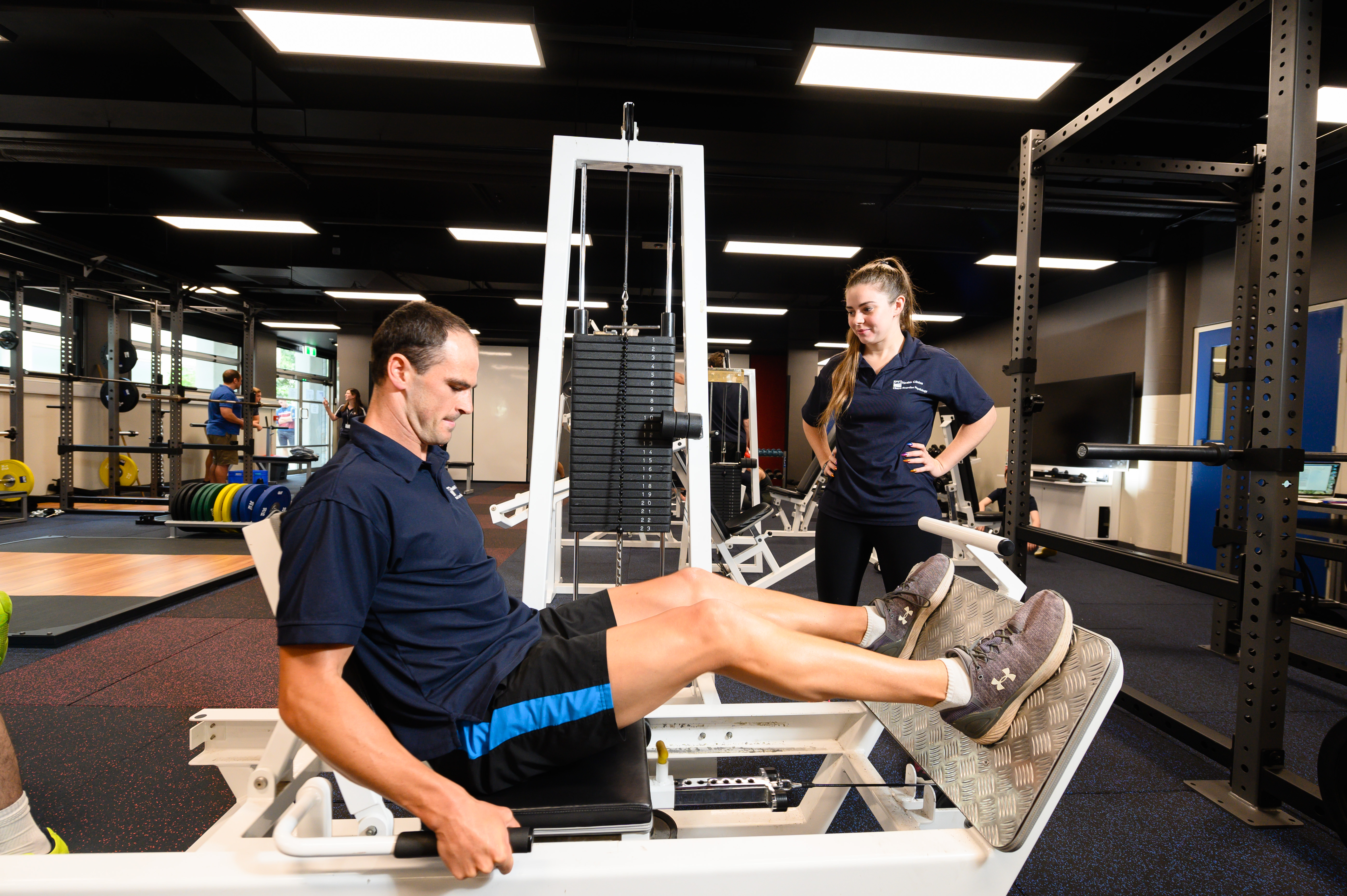
Sport and exercise science students also learn in specialised biomechanics and movement analysis laboratories. They’re designed to capture, measure and analyse human performance.
These facilities include an indoor sprint track, force plates and 3D motion‑capture technology, allowing you to develop an in‑depth understanding of movement across both athletic and clinical populations.
In these spaces you can:
- analyse movement using video and performance data
- explore how small technical changes affect outcomes
- connect classroom theory with coaching and athlete development scenarios.
Joshua recalls how these sessions brought learning to life:
“One of the most memorable experiences was a biomechanics lab where we analysed a long jump performance using video and force data. We identified key technical features and recommended improvements based on biomechanical principles. It was a great moment of seeing how the theory we learn in class directly applies to real-world coaching and athlete development.”
He also enjoyed the anatomical focus of practical learning:
“In Functional Anatomy practicals, we used electromyography to measure muscle activation during different exercises. It was awesome to see in real time which muscles were firing during exercises.”
These experiences highlight how evidence‑based practice underpins performance improvement across elite, community and clinical sport settings.
Learning beyond the lab at QUT Sports Field, Kelvin Grove
Hands‑on learning at QUT isn’t limited to indoor spaces.
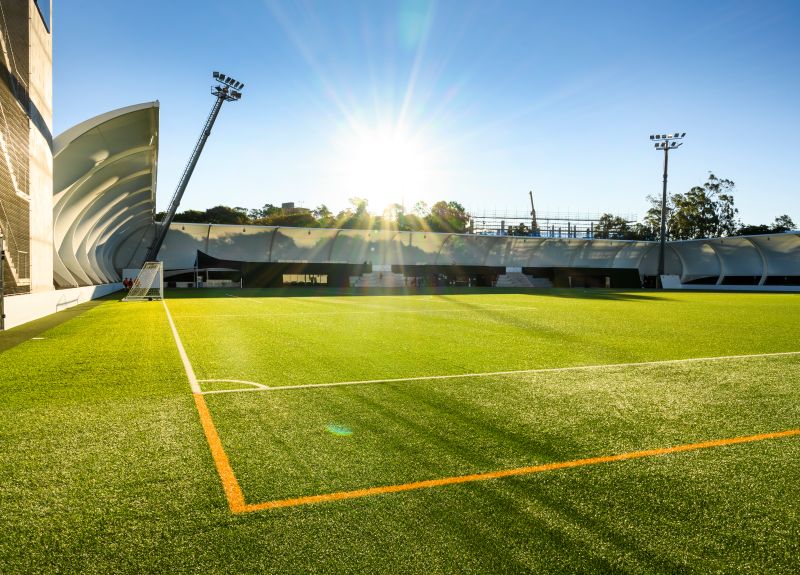
The QUT Sports Field at Kelvin Grove, located on Sports Lane, gives you opportunities to apply theory and skills in a real‑world outdoor sporting environment. The complex features:
- a FIFA‑accredited LigaTurf football field
- acrylic‑surfaced athletics track with lane markings
- spaces suitable for football, touch football and other field‑based sports
- seminar rooms and change facilities.
The sports field supports practical classes, coaching activities and sport‑specific learning—helping you understand how training, performance analysis and coaching translate beyond the laboratory.
From classroom to career
Learning in these facilities helps sport and exercise science students build practical skills, professional confidence, and job‑ready experience working with athletes, clients and teams across diverse settings.
From resistance training labs and biomechanics spaces to outdoor sports fields and clinics, QUT’s facilities play a central role in your day‑to‑day learning. They support a seamless transition from theory to practice, helping you clearly see how your studies connect to future careers in sport, health and performance.
As Joshua puts it:
“I’ve really enjoyed the practical components of the course—running performance tests, using sports technology, and working with real clients.”
Ready to see where you could be learning?
Take a tour of QUT’s sport and exercise science facilities.