By Alice Knox, 5 March, 2026
What to consider when you’re choosing a health career.
Health career checklist:
- A job helping people
- Being in-demand
- Providing essential services
- Using problem-solving skills.
Ask any health student, ‘Why did you choose your course?’ almost every one will reply ‘I wanted a career helping people’.
Working in health is rewarding. You get to care for people in ways that meaningfully improve their lives—that’s an incredible feeling.
BUT there are lots of different ways of working in health, so you have to decide what’s best for you. This article could help with that.

How to read this article
You could read this article from start to finish. It’s long, and the order of the sections might not make a lot of sense, but you could do it.
A better option is to go to Choose your own adventure in health and click on the links to take you to groups of courses that match each category.
Anytime you want to come back to the list just click 'Back to top'.
Things to note:
- This list is not complete—it’s a starting point to get you thinking
- There are many pathways into health courses and careers
- If you can, talk to your guidance counsellor or a career advisor.
We also have resources available if you need more help with your search.
Happy adventuring!
Choose your own adventure in health
- Do you want to work with patients or behind the scenes in a lab?
- Do you like routine or do you thrive in changing environments?
- Do you want to work with individuals or work alongside communities?
Do you have a particular interest?
Science
Science plays an important part in most health roles. However if you have a particular interest in using science in your career here are some options to consider.
Jump to:
Science + behind the scenes
Do you want to work in your own spaces without worrying about having to talk to patients? Do you want to listen to music in your airpods while you focus on precise and meticulous tasks in a laboratory.

If you are fascinated by the human body, how it works and how it goes wrong, these courses could be for you.
Consider:
- biomedical science – understand how the human body works, what is normal, what can go wrong, and collaborate on research to find new ways to improve human health.
- medical laboratory science – understand how the body works so you can order and carry out tests that help diagnose disease and monitor treatments.
- pharmacy (working in compounding pharmacy) – you need precision and focus to prepare medicines for patients.
- research (any area) – explore a topic that interests you. Build on knowledge you gain in an undergraduate degree to find solutions to health problems.
Science + patient care
You are a STEM girlie or guy (all genders are welcome here) and you enjoy helping people directly. All patient care roles will require a strong understanding of science (anatomy, infection control etc.).
BUT some patient care roles have a particular science focus and will draw on knowledge of physics and chemistry.
Consider:
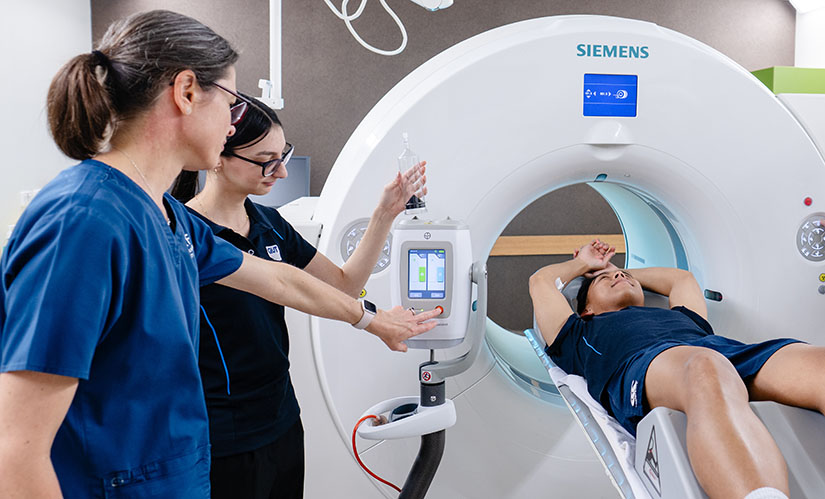
- Medical imaging – take medical photographs to diagnose injuries or disease.
- Radiation therapy – use physics to plan and deliver cancer treatment to patients.
- Pharmacy – pharmacists are experts in how medicines act on the body. They are now able to prescribe some medicines so it’s an exciting time to join this profession.
NOTE: these courses have a strong patient care component. In some cases you will be caring for patients during a really difficult time in their lives. You need to have strong interpersonal skills to work in these roles.
Brain science + patient care
Behavioural science is the science that explores the human brain. Our brains shape how we perceive the world and how we respond to it. This is a science that can be used to help people in really meaningful ways.

You have to enjoy maths, science and talking to people. If that sounds like you this pathway can lead to really interesting careers.
Consider:
Working with people
If you already know you want to work with patients this section explores the ways you might prefer to work. Do you like routine and more regular hours or does the idea of constantly changing scenarios excite you? Patient care can take place in a range of settings.
Jump to:
- Working in changing environments
- Working with more routine
- More ways to help individuals
- Science + patient care.
Working in changing environments
Every patient care role will have differing demands day-to-day as no two patients are the same. BUT some roles work with a wide range of patients or in a range of different or evolving circumstances.
Some roles in healthcare are incredibly dynamic. You might fly out to retrieve patients, or work on the road travelling to remote clinics or sites. This kind of unpredictability doesn't suit everyone, but if you respond well to change and interesting circumstances, these jobs could be for you.
Explore career pathways in:
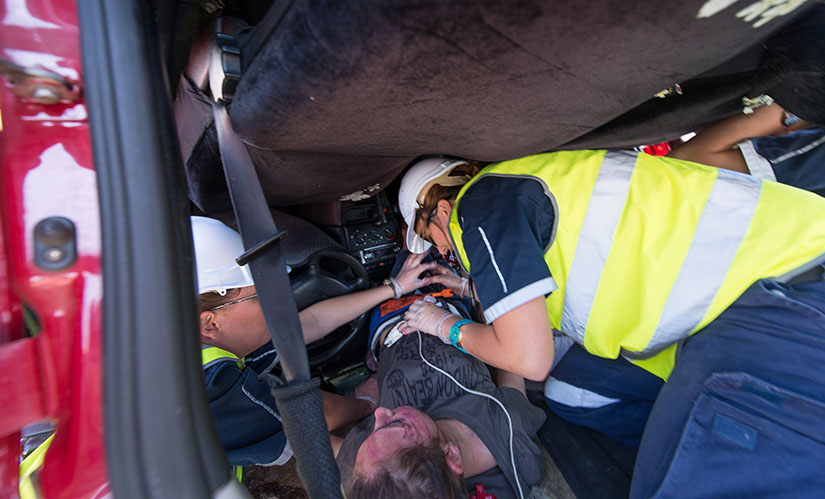
- Paramedic science – you will work outside, indoors, in stadiums and in people’s homes. Every shift will come with different and unpredictable challenges. Are you ready to respond?
- Nursing – some specialisations can be incredibly dynamic. If you work in patient retrievals you could fly out to patients to bring them back to a hospital. If you work in emergency nursing your shifts will be in the one location but could vary greatly day-to-day.
- Medical imaging (radiography) – depending on where you are working you could see a wide variety of patients and injuries.
- Podiatry – if you work in a remote area you might travel out to service multiple communities and help care for people’s health by taking care of their feet.
Working with more routine
Some careers in health offer a more steady and predictable environment. You know where you are going to be working day-to-day and week-to-week. If you prefer working in air-conditioning these settings may suit you better.
While you may still do shift work you are less likely to have wildly varying shift times (i.e. night shift). Hours of work could be more closely aligned to normal business hours.
Explore options in:
- Nursing – it really depends on the specialisation. There are some nursing roles that don’t require night shift work. You could work in an infusions’ clinic or other specialist clinics with more regular hours.
- Optometry – perform eye tests and check for injuries and eye conditions. Work directly with clients mainly in private practice but also in clinics and hospitals.
- Pharmacy – pharmacists are important, trusted health professionals. They work directly with customers in pharmacies and with expanded responsibilities they can prescribe some medicines.
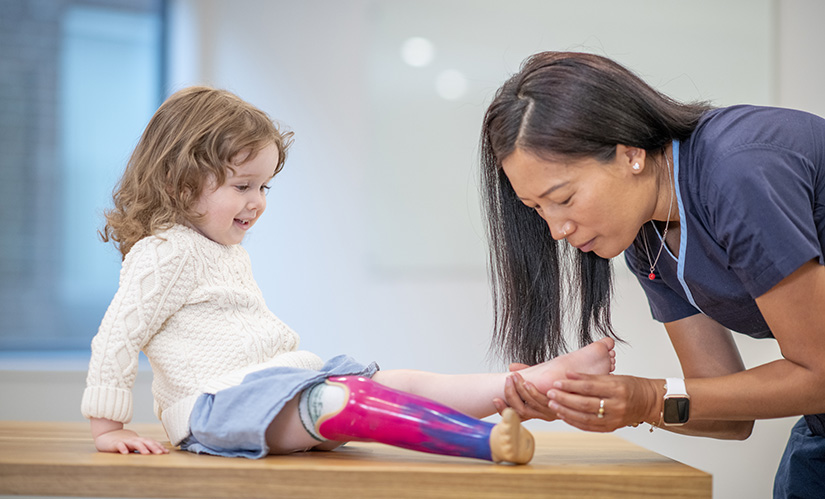
- Podiatry – if you work in a podiatry clinic you will be inside (in the air-conditioning) and working more regular hours than some other health professions. Improve people’s lives by helping them look after their feet.
- Radiation therapy – You will mostly work in hospitals planning and delivering cancer treatment. This is important and rewarding patient care work.
More options for working with individuals
As a bonus round you could consider these courses if you are interested in working one-on-one with clients.
Even though clients will be different and have different needs you will probably work in the same or set clinics/locations each day.
Consider:
- Nutrition and dietetics – advise individuals and provide tailored eating plans.
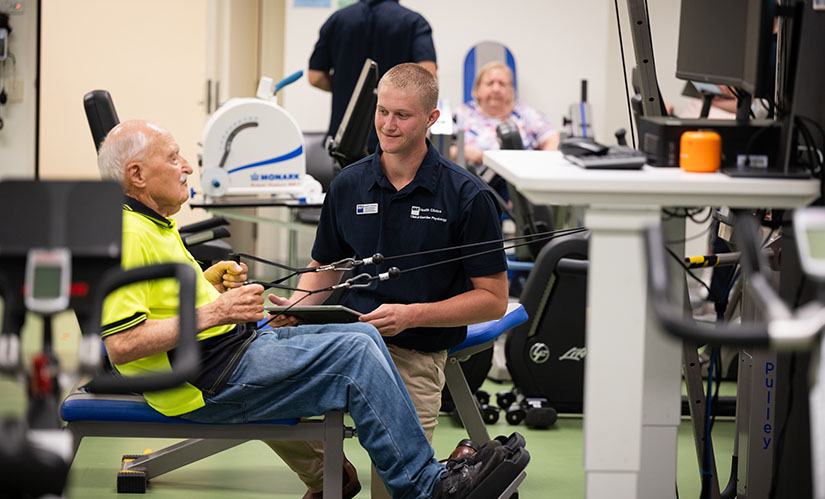
- Clinical exercise physiology – work with individuals to improve health through prescribed exercise.
- Behavioural science (psychology) – psychologists work with individuals to help improve mental health.
- Social work and human services – you could work with individuals, helping them to navigate systems and services. Many social service systems are confusing and some are unfair, especially if you don’t have access to the same resources as other people. Make a difference by helping people access what they need.
Sport and wellbeing
Jump to:
Health roles that directly involve sport
You love sports, you live and breathe it. Being active is part of who you are and working with athletes or with regular people to improve their lives through movement—that’s your dream.
Consider:
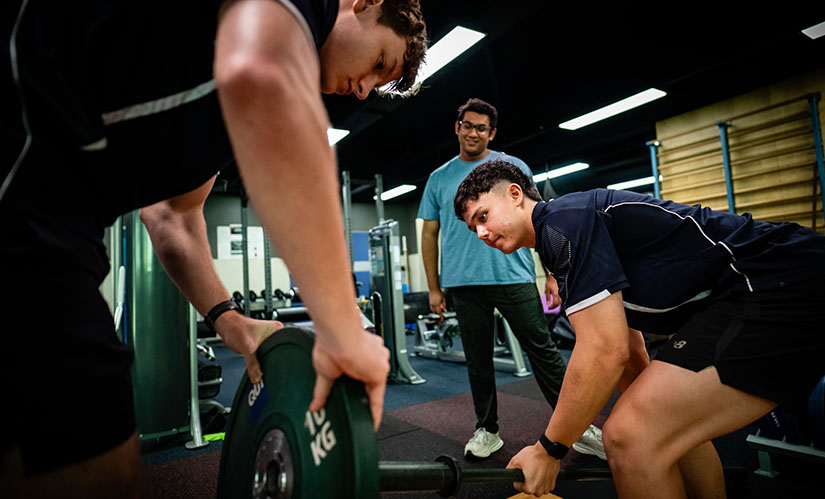
- Clinical exercise physiology – understand how the body works. Use your expert knowledge to assess clients and prescribe exercise to improve health.
- Sport and exercise science – work with athletes or everyday people to improve fitness, strength and conditioning and deliver performance analysis.
Health roles that support sports
If you love sports and want to explore other ways to support athletes’ performance here are some course options that you might not have considered.
Explore:
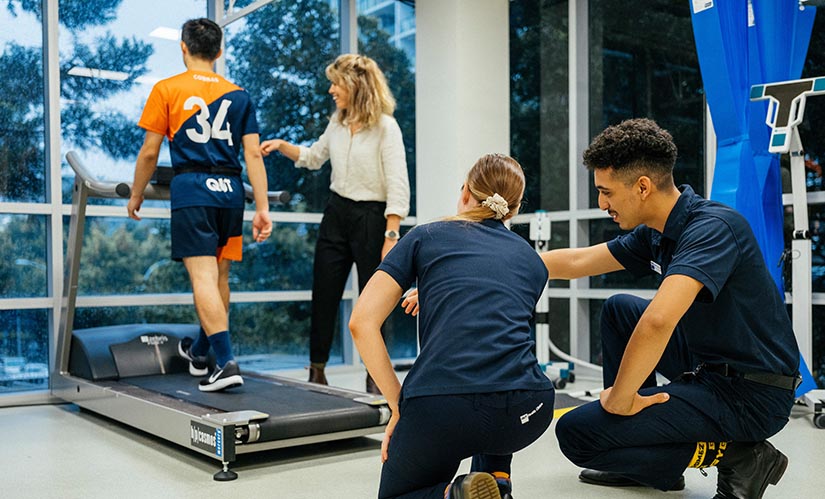
- Behavioural science (psychology) – victory is a mindset, so is resilience and pattern forming behaviour that supports athletes in training, in competition and after their events.
- Nutrition and dietetics – provide advice that enables athletes to fuel correctly to maximise energy and to support muscle building.
- Podiatry – help build athletes from the ground up. Optimising stance and gait can make a huge difference to athletic performance.
Food
If you are a foodie with a love of science OR if you are interested in the health benefits of good nutrition explore nutrition science and nutrition and dietetics courses.

Nutrition science prepares to you to advise organisations or government on matters of nutrition—so you could help to shape public policy about food.
Dietitians advise individuals. If you want to work one-on-one with clients to support their health using food preparation and menu planning study nutrition and dietetics.
Community care and improving systems and services
There are health jobs that have a big impact on communities. Health is not just an individual concern; making sure communities have equal access to health services is a social justice issue.

You can make an important difference.
Consider:
- Social work – advocate for communities to help them access the services they need. Contribute to policy and programs that give people fairer opportunities.
- Human services – graduates work in very similar ways to social work graduates (just a shorter course with fewer placement hours). Work with communities and individuals to improve access to services.
- Nutrition science – Use your understanding of nutrition science to develop programs, policy and initiatives that support communities to improve health through better nutrition.
- Sport and exercise science – work with teams or work with communities. Plan and deliver sport and exercise programs that improve performance or community health and wellbeing.
All of these roles could work with government or organisations. You will use your expert knowledge to advise on policies and programs that are fairer. You can make a big difference helping people by improving their access to services that support their health.
More resources
Match My Skills – this is a general quiz to help you find areas that might interest you.
Get help deciding – QUT advisors can offer information about courses and how to apply.
Choose your own health career – resources developed by the Queensland State Government.