By QUT School of Clinical Sciences, 11 April, 2025
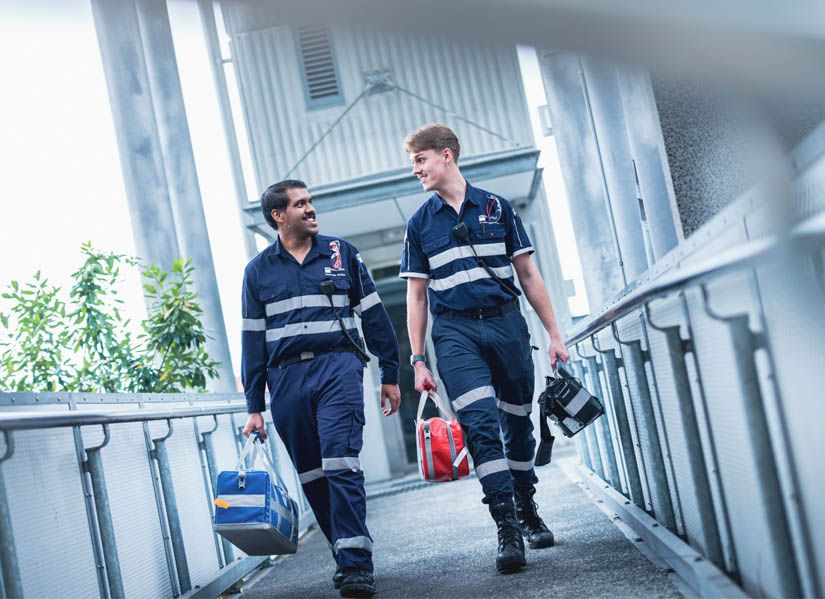
Despite having a ‘Department of Paramedical Studies’ at QIT in 1976, QUT’s first paramedic degree officially started in 2005. Although we now know it as the Bachelor of Paramedic Science, it was initially called the Bachelor of Health Science (Paramedic).
Jump to

The course was launched with an initial intake of 50 students and was specifically designed to provide graduates with the knowledge and qualifications needed to gain a competitive advantage in pursuing careers as ambulance paramedics; both with local agencies such as the Queensland Ambulance Service (QAS) and internationally.
The course has always been in high demand by local and international students alike, so much so that in 2011, the entry cut-off was lifted by two OPs.
International careers
Many paramedic science graduates led exciting careers in the UK, like Daniel Pincus – a QUT graduate success story from 2016.
Alumni perspective: Pat Moloney
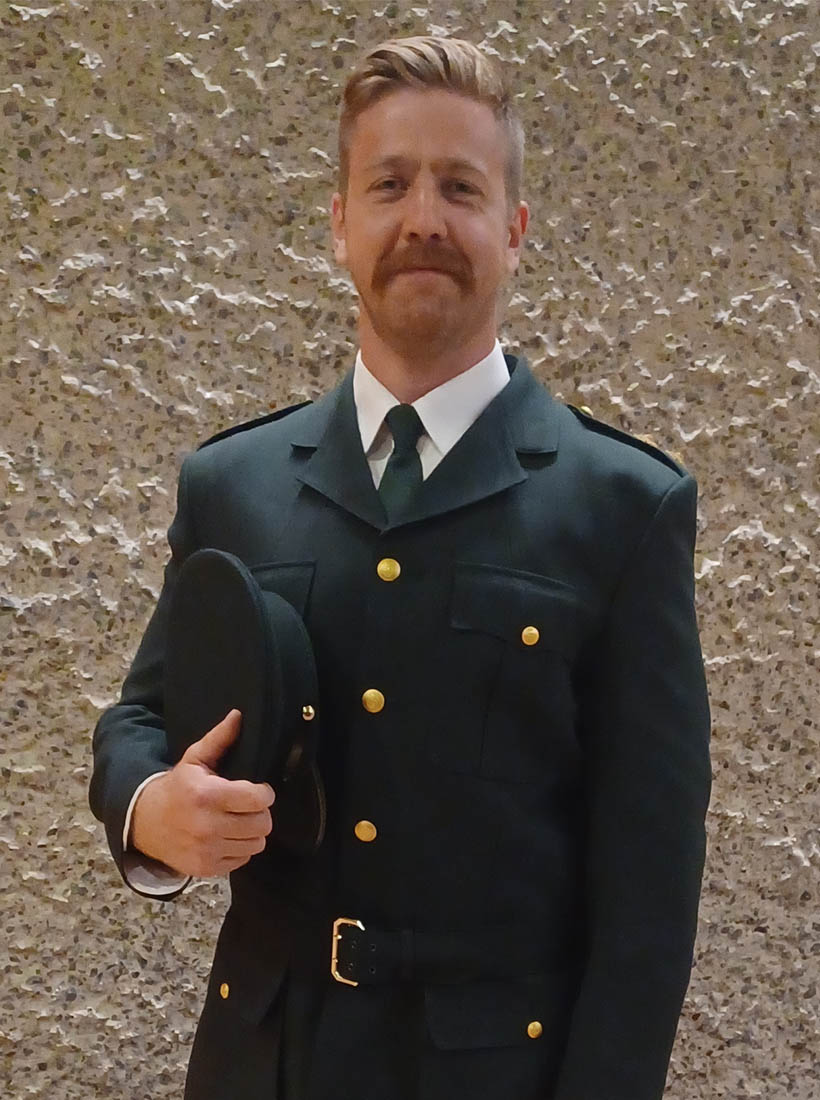
Another successful graduate in the UK, Pat Moloney, shares his experiences. Pat is an Education Manager at the London Ambulance Service, as well as an Emergency Practitioner at St George’s Hospital in London.
“In my primary role I manage around four hundred staff as they transition through their education programmes. I get the opportunity to help students achieve when they would otherwise have struggled to do so. I also work as an advanced hospital-based paramedic, which allows me to assess and manage patients independently.”
“QUT teaches so much more content than you usually get at most universities. I can say in my time, the pharmacology and physiology content was particularly engaging and vast. In many UK universities there is only really a cursory exploration of concepts that are well-worn and competently delivered in great depth at QUT. The UK services know this and have been hiring in Australia for some time seeking knowledgeable and motivated graduates.”
“Looking back, I still remember the 24-hour cram sessions (not recommended) at a particularly underutilised part of the library where me and my friends would write on the whiteboards and quiz each other right through the night. We were all night owls and we would learn as much as we could right until the sun came up fuelled by red bull and mi goreng. I am still best friends with all of them today and learned invaluable things in those late-night study sessions.”
“I’m a bit older and more health conscious now, but it was such a fond memory to walk home to a rising sun with my classmates in the eerie quiet of the city. Interestingly enough one of my classmates also moved to the UK where he ended up working remotely for the 111 service, which is a clinician support phone line for patients who needed less urgent help.”
A history of practical learning
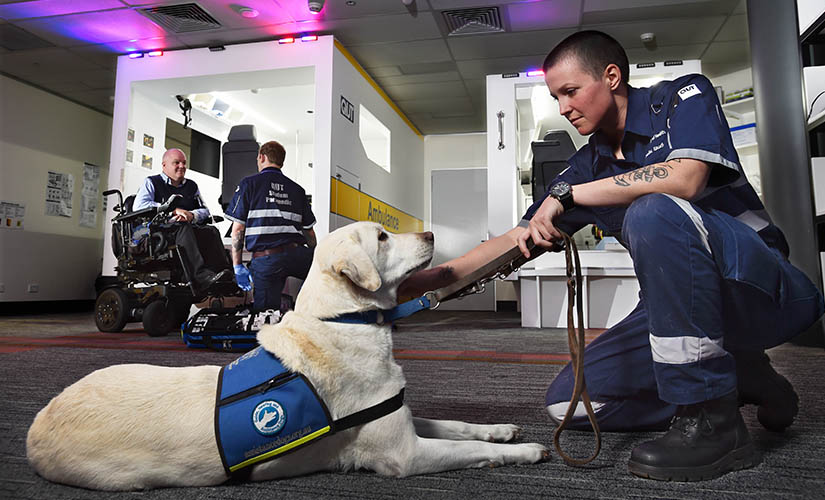
In 2016, senior lecturer Stephen Bartlett recognised the importance of working with assistance dogs when their owners are injured or require emergency help. 230 paramedic students were presented the opportunity to engage professionally with patients who have assistance dogs as part of their course.
Practical learning has always been a pillar of the paramedics course. In 2018, QUT paramedic students and Australian Army medics worked together in mock injury scenarios to prepare for civilian and military health emergencies and gain new perspectives. This was facilitated by Kerri-Ann Woodbury (nee Welch), a paramedic lecturer with a background in the Australian Regular Army as a nursing officer.

Other practical learning videos from the vault include the 2013 Trauma Week, where students got first-hand experience treating casualties in simulated trauma scenarios alongside other emergency service providers.
Alumni perspective: Tash Adams
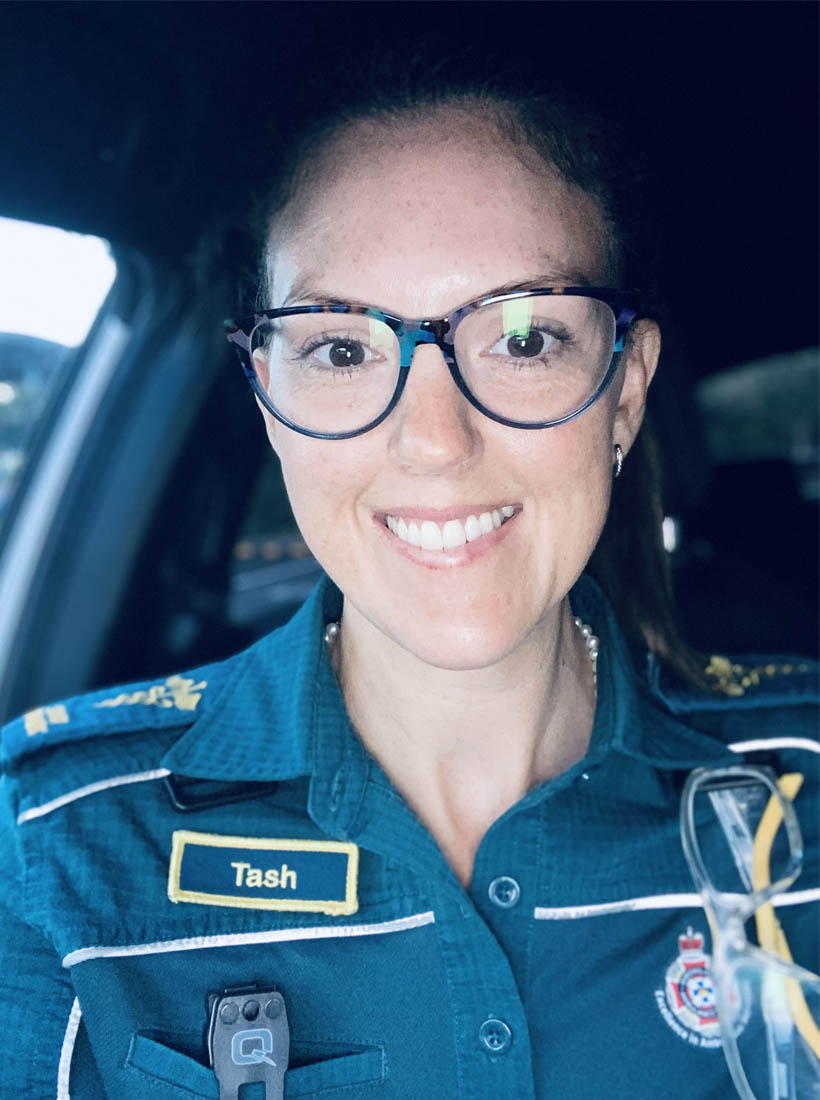
Alumna Tash Adams is not one to shy away from fast-paced emergency scenarios. As a senior critical care paramedic and relief at the High Acuity Response Unit (HARU) at QAS, she provides advanced pre-hospital care to patients facing life-threatening conditions, as well as advise paramedics across the state through a dedicated line.
“Looking back nearly 20 years, my time at QUT was absolutely pivotal in shaping my career in paramedicine. One of the standout aspects of studying there was how practical the learning experience was. It wasn’t just about sitting through lectures; we spent a lot of time in hands-on training, learning to handle real-world situations. While we didn’t have the advanced simulation labs like they do now, the on-the-road placements and practical exercises were invaluable in preparing us for the challenges we’d face out in the field.”
“What really set QUT apart, though, was the early placements with Queensland Ambulance Service (QAS). Those first experiences in the field weren’t just about applying what we learned—they were about truly understanding the pressure, the teamwork, and the responsibility that comes with being a paramedic. It gave me the confidence to face tough situations head-on.”
“Another thing that made my time at QUT so memorable was the strong sense of community. In 2006, I started the Paramedic Undergraduate Peer Support (PUPS) group, which has since evolved into the Student Paramedic Undergraduates group. It was an initiative that aimed to create a support network for fellow students, and I’m proud to see it continue to grow and help paramedic students through their journey. It wasn’t just about studying; it was about pushing each other to be better, sharing experiences, and getting through the tough moments together. The friendships I made through PUPS have lasted well beyond my time at uni and continue to be a big part of my career today.”
“I can see how much QUT set me up for success—not just with the technical skills, but also with the mindset needed for this career. The training, the support, and the people I met there laid the foundation for everything I’ve achieved in paramedicine, and I’m incredibly grateful for that.”