By Alice Knox, 2 June, 2026
Explore where a Bachelor of Behavioural Science (Psychology) could take you. Spoiler: it’s not just psychology although that’s definitely an option.
Human behaviour is shaped by how our brains develop, how we learn and interact, our memories and experiences, and our personality and mental health.
If you’re fascinated by how all these elements come together you might be interested in studying behavioural science.
The Bachelor of Behavioural Science (Psychology) is the first step for people wanting a career as a psychologist. But understanding the human brain and human behaviour is also useful for so many other careers.
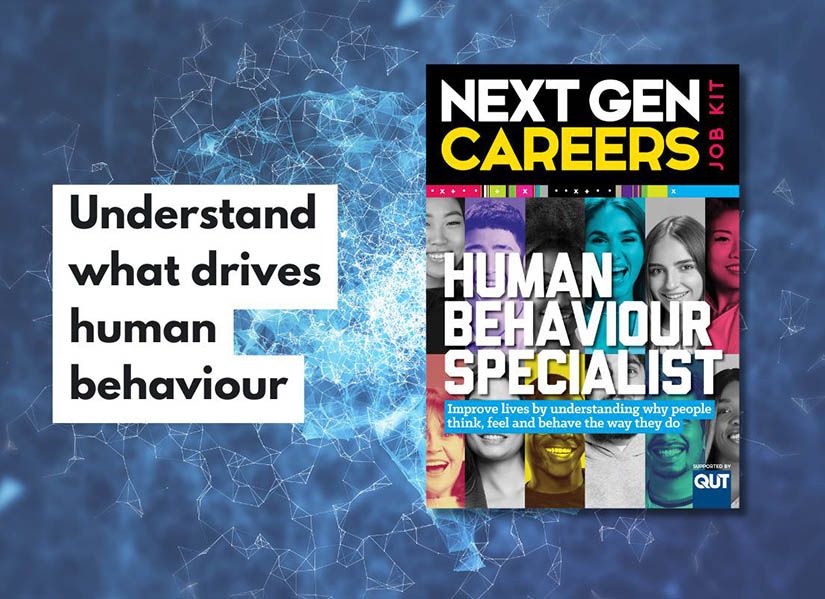
Explore the different options available in a job kit developed by QUT and Next Gen Careers.
Download the job kit (12.4 MB)

Your interests could lead you to your dream job
The pathway to becoming a psychologist is long, but if you’re passionate about helping people to navigate difficult situations or mental struggles it’s definitely worth it.
If you don’t want to become a psychologist, studying behavioural science can still lead you to careers where you can make a huge difference in people’s lives.

Behavioural science graduates work in the justice system, as advocates for vulnerable or marginalised people, they can work in HR, or even designing products or experiences that are more human friendly. It really depends where your interests lie.
If you want to move into a specific area consider a double degree, combining behavioural science with:
- Animation
- Business
- Creative writing
- Drama
- Film and screen
- Justice
- Law
- Music
- Nursing
- Social work
- Visual art
- Visual communication.
Research that saves lives
When we understand how humans think and react, we can make rules or change the way we do things to help keep people safe.
Driving is a great example of this. Road rules, the way roads are built, even the way signs and road markings appear, have all been deliberately developed to encourage safe behaviour to help protect people.
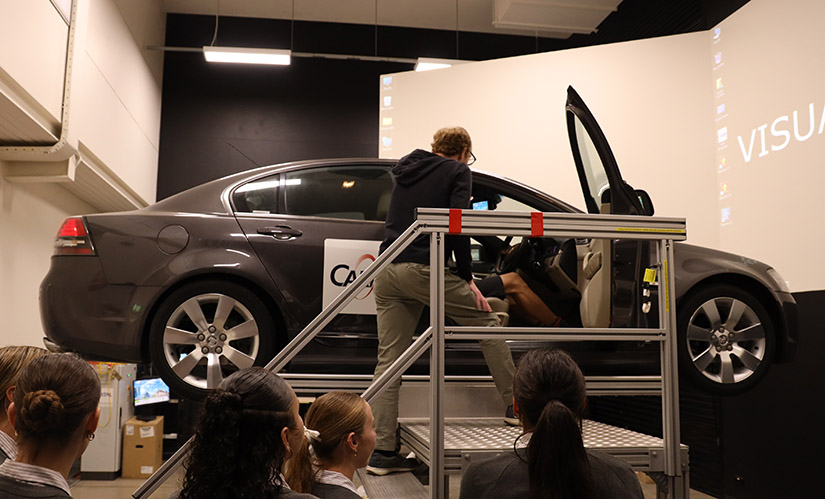
To help keep road users safe QUT teams up with the Motor Accident Insurance Commission (MAIC) to carry out research into driver behaviour.
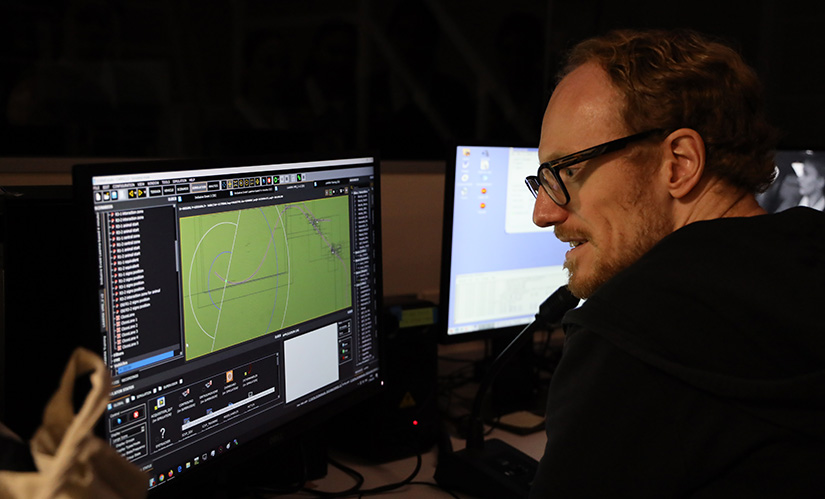
As part of this project they use a state-of-the-art driving simulator to test driver responses. Using full-motion technology and a 180-degree immersive view they explore how people think, react and make decisions on the road.
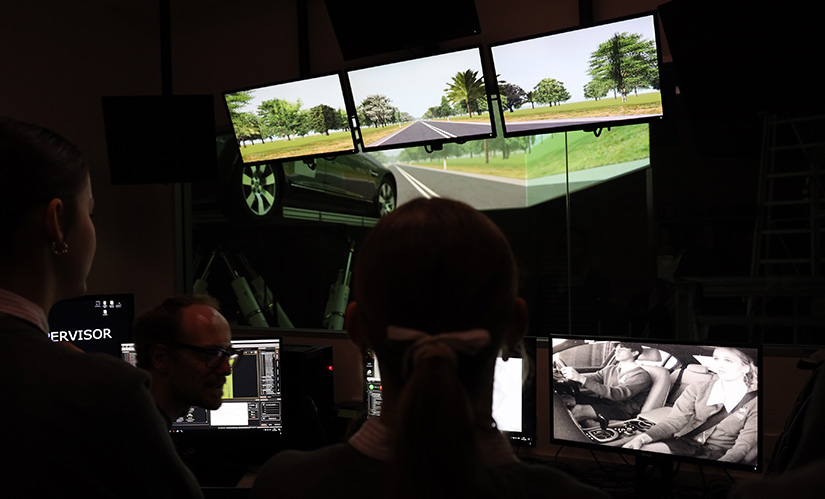
This is just one example of how research into human behaviour can have a huge impact on everyday life. If you’re inspired by this maybe you have it in you to carry out investigations of your own.
Read about research that contributed to stronger rules around driving with mobile phones and find out the latest in updates in driving and technology.