By Poppy Fratzeskos, 5 September, 2025
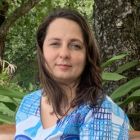
Poppy Fratzeskos shares her experiences studying at QUT and the opportunities that exist for primary care nurses.
Jump to:
Why did you specialise in primary care nursing?
A nurse career counsellor during my university days once explained that a nursing career is often shaped by destiny, with specialisations naturally aligning with our growth and professional attributes. I have found this to be true in my own career in Northern Australia.
I began my career in haematology and oncology nursing at Cairns Hospital, then worked in infectious diseases, cancer care, acute medicine, and intensive care nursing at the Royal Darwin Hospital. I am currently working in primary care nursing in rural Northern Australia, where I am able to utilise all of my skills and knowledge.
What impact does your role have on your community?
Delivering quality medicine and holistic healthcare to the First Nations community helps in overcoming trauma and empowers individuals to take charge of their healthcare. Supporting them in navigating obstacles and encouraging engagement in cultural practices and healing traditions is the most rewarding aspect of the job, as it aids in their journey toward healing.
Additionally, building trust with our clients, particularly as they witness our efforts to adopt their language and customs in healthcare, strengthens our ability to provide compassionate and effective care.

A personal photoshoot
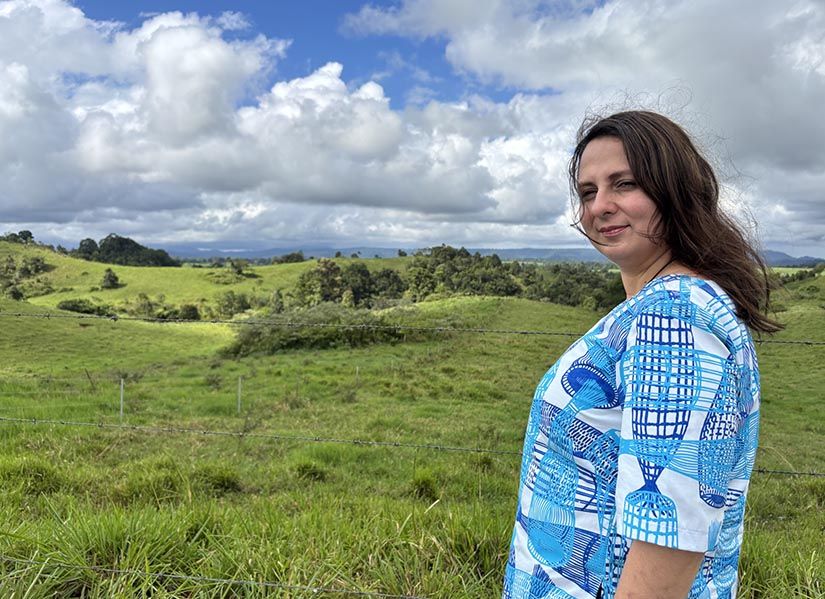
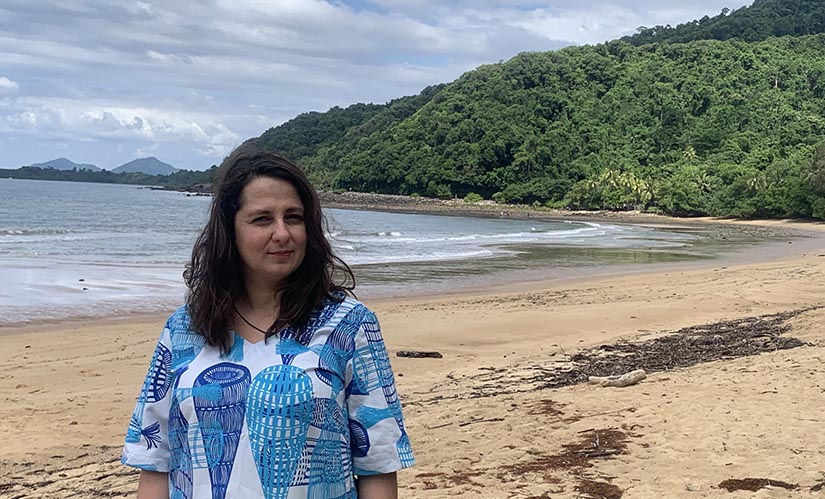
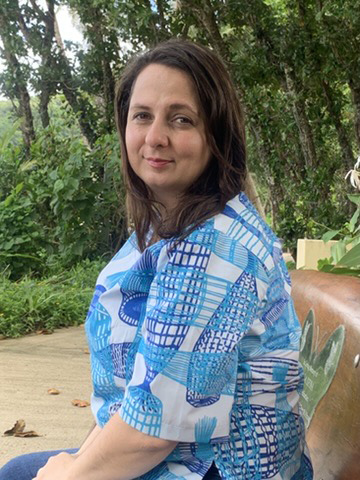
Images for this article were provided by Poppy Fratzeskos. The locations were chosen for their local significance.
Bingil Bay, near Mission Beach is a place of stunning natural beauty, maritime history and unique character.
The farming landscapes of Milla Milla in Far North Queensland represent the agricultural identity of the regions. This area was also the location of Ernst Kjellberg’s sanitorium in the early half of the 20th century.
Poppy is wearing a top designed by Adriana Albertini, featuring a textile pattern called Mandjabu—Fish Traps. The artwork is by the Injalak Women from Injalak Arts, an art centre in the Northern Territory.
What was it like studying primary health care nursing at QUT?
QUT’s flexible online study options have been incredibly helpful. As a shift worker, it's not always possible to attend lectures at their scheduled times, so having access to recorded lectures has been a significant advantage.
The lecturers are always available and very supportive, offering guidance on assessments, breaking down ideas, and helping students overcome study-related anxieties. They recognise the strengths of their students and provides support to help them grow in areas where they may struggle.
One of the most exciting and meaningful moments in the course was taking on challenging healthcare topics in Northern Australian nursing, which resulted in positive feedback from the nursing faculty, especially considering my struggles with writing skills.
I found it rewarding to engage my assessment pieces with real-world workplace scenarios, exploring ways to improve healthcare and medicine in resource-limited environments.
How did QUT academics support you in your studies?
It’s hard to fully convey the depth of support provided by the School of Nursing at QUT.
The nursing academics encouraged me to pursue primary care nursing after I relocated and began a new career in primary care nursing.
Their guidance has been transformative and empowering.
The staff were incredibly supportive, encouraging me to take on topics in assessments where there is limited research in my new specialty of nursing in a primary care setting. They provided opportunities for academic growth that directly support clinical practice, promoting quality care and evidence-based practices.
QUT’s nursing academics have been the first group of educators to genuinely support my educational journey, a type of encouragement I had not experienced before.
What are you hoping for your career?
I look forward to seeing where my nursing career takes me over the next 10 years, as primary care and critical care nursing continue to experience rapid growth in Northern Australia.
I enjoy my job because it allows me to practice both clinical medicine and holistic healthcare in a multidisciplinary environment. I particularly enjoy the diversity of challenges I face daily, and the opportunity to overcome them, leading to quality health outcomes for our clients.