QUT spine research group transforming lives from Brisbane to Los Angeles
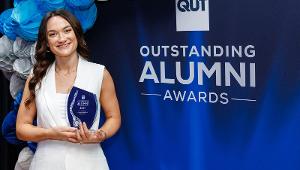
Like many children, Shuang Hu grew up dreaming of a life in Hollywood. But unlike most, that dream has become a reality, thanks largely to the life-changing impact of a QUT-led research collaboration.
Shuang was “completely shattered” when she was told, aged 14, that she had the potentially debilitating spinal condition of scoliosis.
However, innovative surgery and ongoing support from the Biomechanics and Spine Research Group (BSRG) – a collaboration between QUT researchers, the Queensland Children’s Hospital and orthopaedic surgeons – reignited her dreams and restored her belief.
“When I was diagnosed, I remember thinking ‘why me?’, like I was the unluckiest 14-year-old on the planet,” Shuang said.
“But then my family and I learned about the work of (leading orthopaedic surgeon) Dr Geoff Askin and the BSRG team.
“I remember the relief we felt after that first meeting, the burden of this ailment felt much lighter. I realised I could still pursue my dreams.”
Shuang underwent less invasive keyhole surgery, correcting her spinal alignment with barely noticeable scars, and 20 years on is thriving as a dynamic actor, writer, producer and content creator in Los Angeles.
She is one of thousands of young patients to have had their lives transformed by QUT’s spine research collaboration - co-founded by Dr Askin and Professor Mark Pearcy in 2002, and empowered by generous donors.
“Words can’t begin to express the profound level of gratitude I feel,” she said. “When you have doctors and researchers working together, the impact they can have on a patient’s life is amazing.”
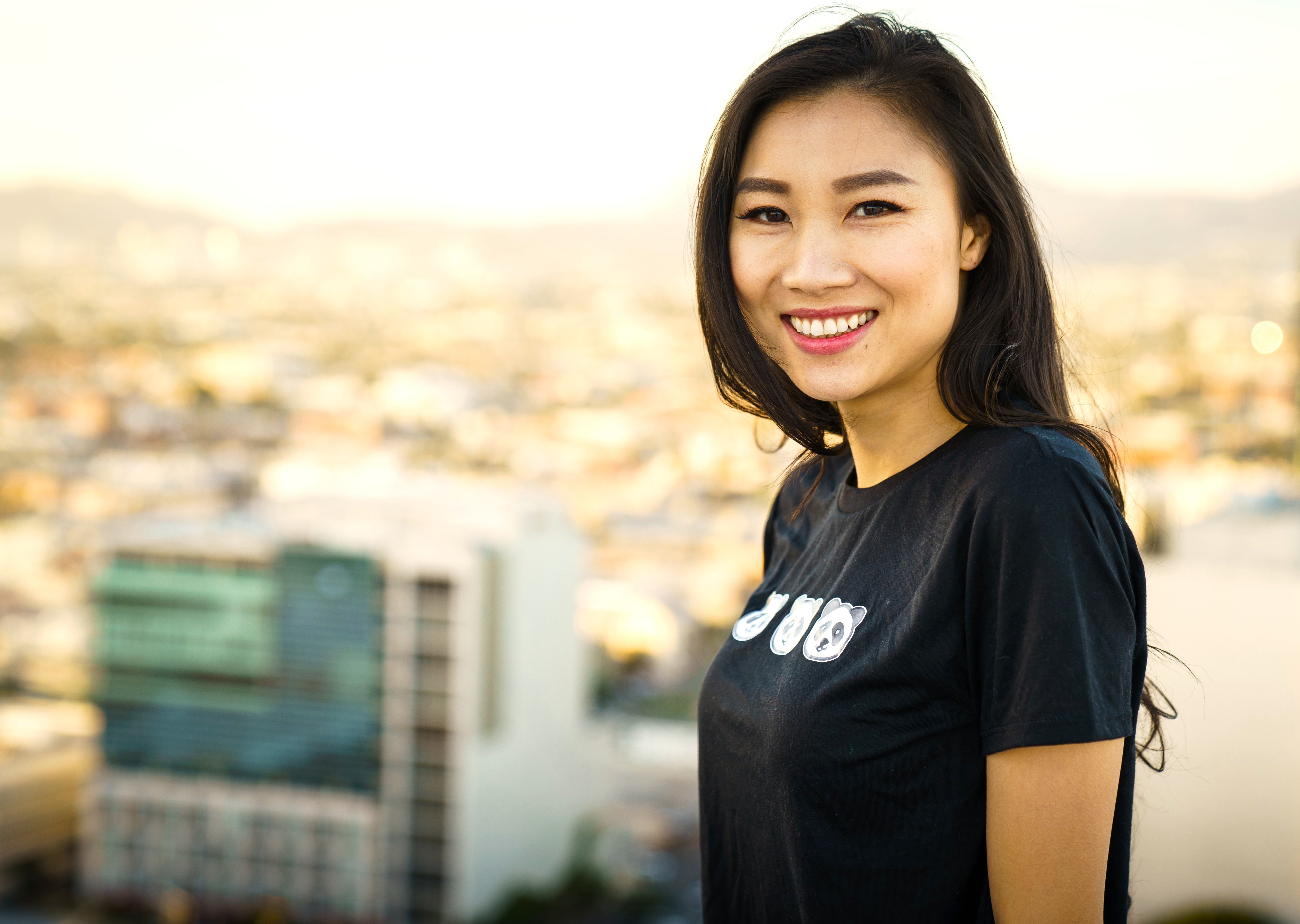
Shuang has had lead roles in Australian TV shows The Family Law (SBS) and Ronny Chieng: International Student (ABC/Comedy Central), plus Prime Video rom-com Five Blind Dates which she co-created. Her social media channels have a combined 13 million followers and her series Baby Shu and Fwends streams on Tubi.
“I’m so grateful to the research team and Dr Askin for pioneering a minimally invasive surgical technique,” Shuang said.
“I can live a relatively normal life and pursue my dreams. The QUT spine research team changed my life, my career prospects and my confidence completely.”
Scoliosis, a sideways curve of the spine and rotation along its axis, affects about two per cent of children - predominantly girls. It often develops during the growth stage before puberty, disturbing movement and balance, and can have dramatic outcomes if left undiagnosed or untreated.
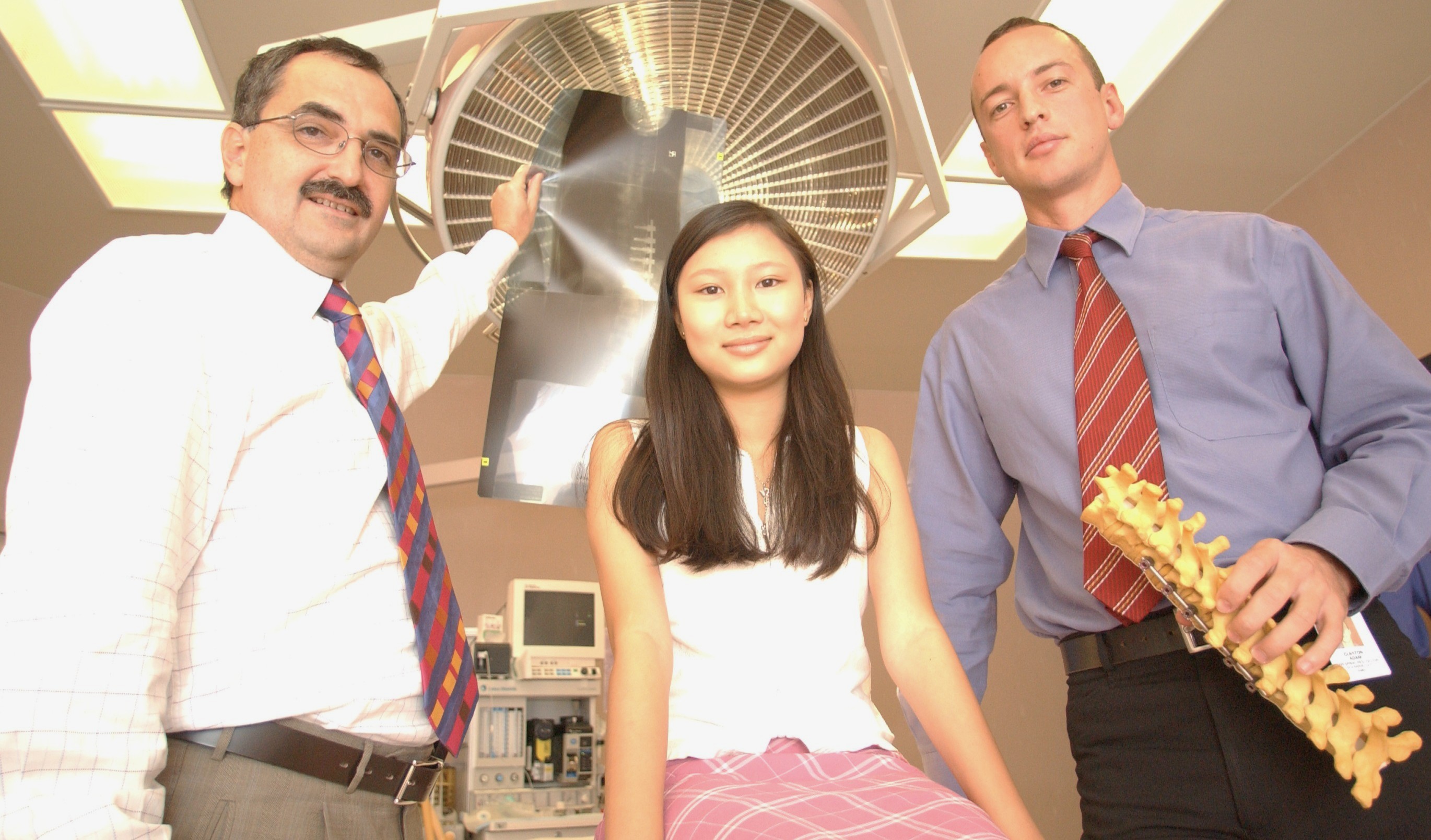
Dr Askin said the Queensland Children's Hospital association with QUT continued to create vastly better outcomes for children of all ages with spine deformities.
“Clinicians see the problems but not always the solutions, which often come from the researchers,” Dr Askin said.
“Together, researchers and clinicians can produce translational research - results that we can directly take back to the patient clinics or to our hospital.”
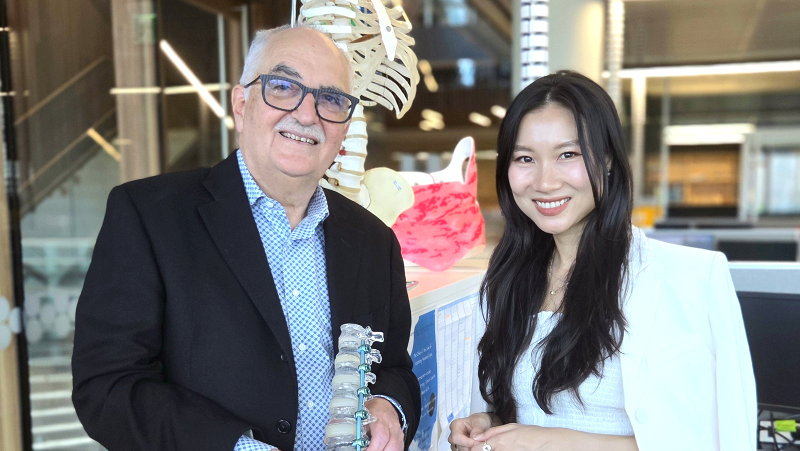
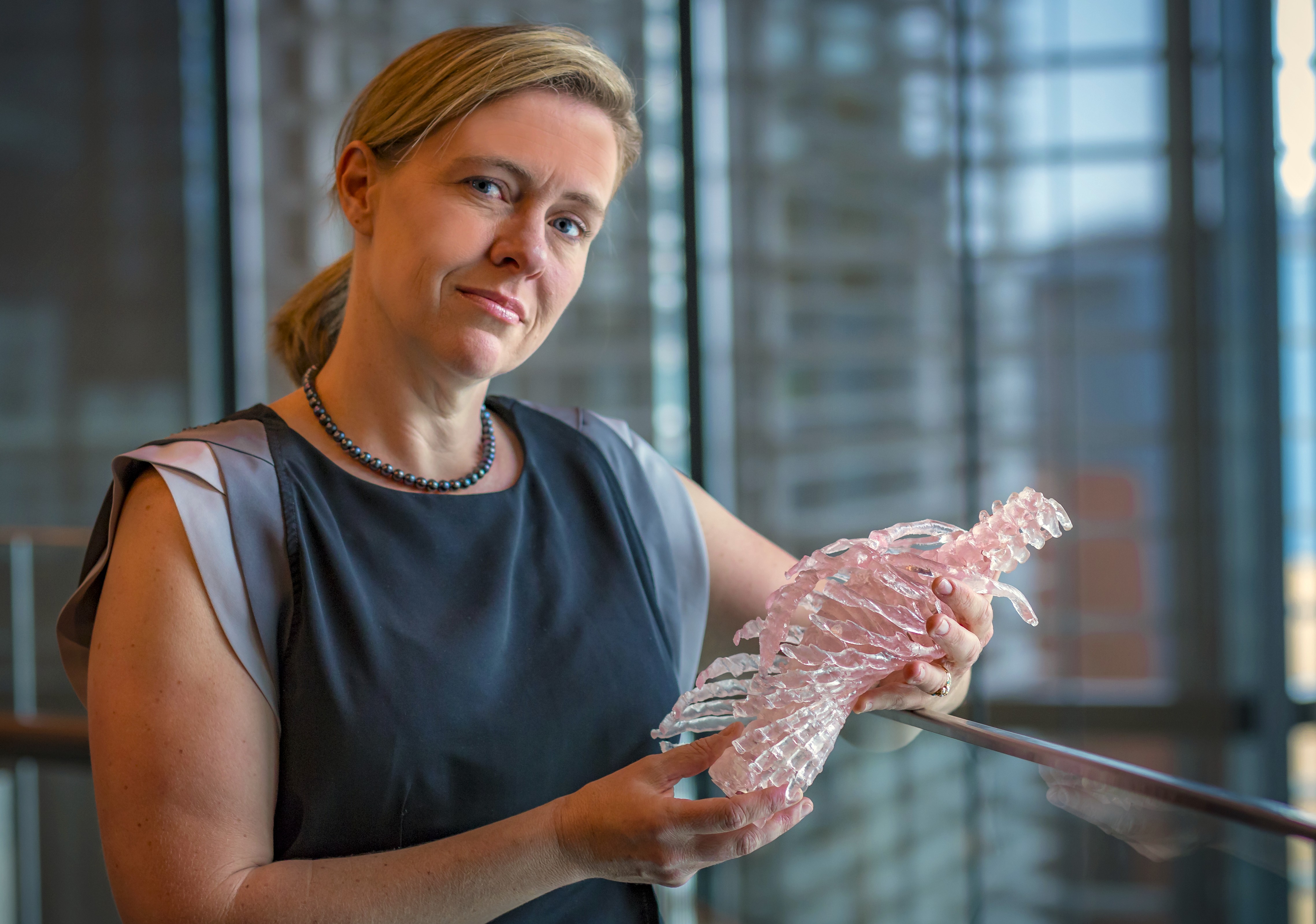
The spinal research group is headed by research director, QUT Associate Professor Paige Little (pictured below), and supported by generous donors such as Medtronic and Queensland X-Ray.
“All our projects are driven by clinical need or by an industry need,” said Prof Little, a mechanical engineer who has dedicated much of her career to spinal research.
Medtronic has been an integral part of the BSRG since its formation, creating a Centre of Excellence for Spine Fellows and opening access to essential clinical data and analysis.
 Queensland X-Ray has supported QUT’s two-year Clinical Masters position (Paediatric Spinal Research Masters Fellowship) since 2005, allowing the BSRG to train the next generation of research-aware orthopaedic spinal specialists.
Dr Mark Rainey, a second-year QUT Masters student, said having access to world-class imaging and data could fast-track patient care.
“It gives you that capacity to take what you've seen in clinic and in surgery (and) to actually enact change,” he said.
“You see where those gaps in knowledge and research are; and have time to address those. From personal experience, the impact the team has on each and every one of the patients they work with is profound beyond measure.”
The BSRG collaborates on projects to ensure equitable access to diagnosis and treatment, and to improve understanding of what makes scoliosis develop.
The team has developed mattresses for complicated spine deformity surgeries (in collaboration with Sealy of Australia), bespoke 3D-printed braces and custom posture supports, and is working on a smartphone telehealth app to address the challenges of distance and equitable access.
“Children in Queensland, Northern Territory and northern NSW come to one centre at the QCH to be looked after,” Dr Askin said.
“Anything we can do to obviate the need to travel so far and spend that much time for a 15 to 20-minute appointment can improve patient outcomes.”
The app will connect patients to specialists virtually, complementing face-to-face appointments for patients and families in regional, remote and rural areas who currently face vast travel, inconvenience and costs to attend public health clinics in metropolitan areas.
- Donate to QUT research into paediatric spine deformity