
Podcasting has evolved from a niche medium into one of the most powerful forms of modern storytelling. With millions of listeners tuning in each week, podcasts offer something increasingly rare in today's crowded media landscape: dedicated attention, authentic connection, and the opportunity to dive deeply into topics that matter. The format's popularity continues to grow, driven by audiences who value on-demand content they can enjoy while commuting, exercising, working, or relaxing at home.
For many creators, podcasting is about more than building an audience. It is a chance to share expertise, spark important conversations, tell compelling stories, and connect with communities in a meaningful way. Whether focused on business, health, culture, sport, education, or entertainment, podcasts allow hosts to engage listeners through a uniquely personal medium that fosters trust and loyalty.
Among those embracing the medium are a growing number of QUT alumni, who have turned their passions, professions, and personal experiences into successful podcasts. Their reasons for stepping behind the microphone are as diverse as the subjects they cover.
In this article, QUT alumni podcasters share what inspired them to launch their shows, the challenges and rewards of building an audience, and the behind-the-scenes work that goes into bringing every episode to life. Their stories offer an insight into the creativity, commitment and curiosity required to succeed in one of today's fastest-growing media platforms.
Alison Sandy
Podcast Creator, The Truth About Amy
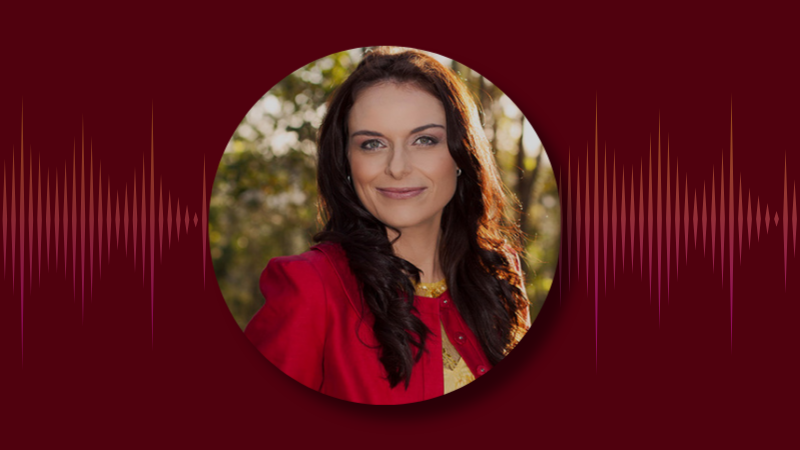
Award-winning journalist and podcast creator Alison Sandy has spent her career pursuing stories that matter. Driven by a strong sense of fairness and an unwavering commitment to accuracy, she has built a reputation for exposing injustice, challenging accepted narratives and giving a voice to those who might otherwise go unheard.
What opportunities has podcasting created for investigative storytelling that traditional news formats can't always provide?
The best thing about podcasts is they're relentless and aren't hindered by word count or space. All of my podcasts resulted in authorities taking action due to the ongoing scrutiny of circumstances and procedures. Legacy media shows like 60 Minutes have massive impact when they run, but unless there's follow-up and ongoing coverage, the momentum is lost, and many agencies or authorities positioned to address the raised issues simply won't act. They'll ride out the negative publicity and just hope the matter goes away.
The Lady Vanishes reached more than 22 million downloads. What did its success teach you about the stories audiences are seeking today?
Audiences like to be involved and are extremely invested in real-life true crime investigations. It's still a surprise to me how many people reached out with information, advice and suggestions. We received many legitimate leads and chased every rabbit down every hole. And despite many dead ends, the audience still enjoyed listening to the process. Podcasts aren't just about the destination, but the journey.
What's your advice for aspiring podcasters who want to create meaningful content and build audience trust?
Always remember with everyone you interview that this is their life, not just a story. I am empathic by nature, which helps, but any journalist worth their salt must report with integrity and check everything, from the spelling of names to 'right of reply'. It's imperative to respect everyone involved including the audience. A journalist's reputation is everything, and in this day and age, there's no excuse for errors.
Find out more about Alison Sandy by reading her full Alumni Spotlight article.
Chris Titley
Founder, Scoreboard Media Group, Head of Cricket, NextXI Cricket
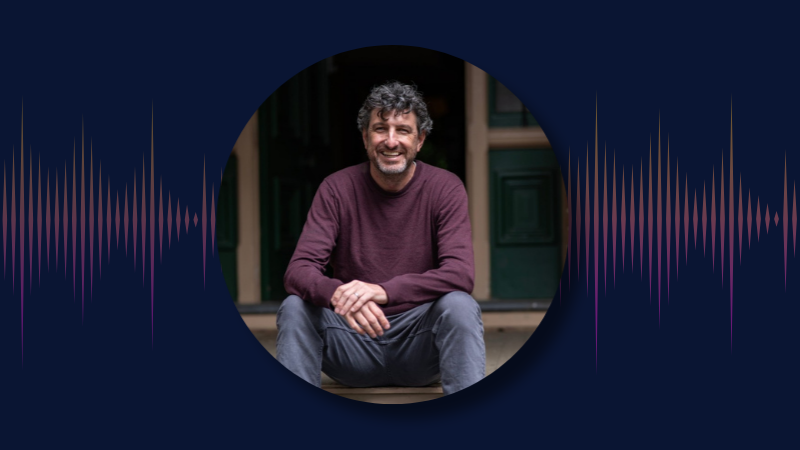
From advising institutional investors in London to working with global innovators, Chris Titley has spent his career at the intersection of opportunity, entrepreneurship and connection. Today, as Founder of Scoreboard Media Group and Head of Cricket at NextXI Cricket, he continues to build businesses, create conversations and uncover new opportunities across sport and media.
What inspired you to start the Scoreboard Podcast—and as an entrepreneur, how do you spot an opportunity and have the confidence to pursue it?
I'd been producing podcasts for other people for years when a mate asked me, "What's your podcast called?" and I didn't have one. In September 2024, I sat down and worked out what I'd love in a podcast: conversations about sport, business, family and life. That's how Scoreboard was born. First episode was a rookie from the Denver Nuggets, he is now starting and scored 20+ points in a playoff game this year.
For QUT alumni starting out, what’s one thing you’d focus on early to create momentum with a podcast?
Find something you're genuinely passionate about because podcasting is really just an extension of the conversations you already have every day. The biggest thing is to keep showing up. Consistency beats perfection every time. We're now 175 episodes into Scoreboard, and it honestly feels like yesterday we were recording episode one. Just keep chipping away, stay curious and don't talk for the sake of talking. If you can create conversations that people genuinely want to listen to, the audience will come.
Find out more about Chris Titley by reading his full Alumni Spotlight article.
Laura Furiosi
Host on the Divorce Course

Laura and her mother Lynette (Lyn) Galvin, a family lawyer, drew on their teaching and legal backgrounds to create The Divorce Course Podcast, a resource designed to provide clear, practical information to people navigating divorce, with the warmth and reassurance of a trusted friend, which is approaching 1.5 million downloads.
Looking back over the journey so far, how has the podcast changed, or perhaps even surprised you?
The first real surprise was seeing we'd hit number one in the ‘How-To’ category on Apple Podcasts, and the top 25 in Education on Spotify. We're still charting at number 1 on How To, and still in the charts across a number of other countries, which we never once imagined when we set out. We're now on our way to 1.5 million downloads.
You cover some incredibly complex and emotional topics. Which conversations are you most passionate about having, and why do they matter so much to you?
The conversations we care most about are post-separation abuse, coercive control, and domestic and family violence, and how those things play out inside the divorce process and the family court system. People navigating separation in those circumstances face a completely different set of risks, and understanding that early can genuinely change their outcome.
What's one thing you wish you'd known before launching your first episode?
We got a lot of pushback when we started, particularly from parts of the professional community. There were moments where we seriously considered stopping. And now? Many of those same people, and plenty like them, are hosting podcasts of their own.
Find out more about Laura Furiosi by reading her full Alumni Spotlight article.
Author

Jenni is an innovative communications, marketing and engagement specialist with fifteen years of industry experience. She is also a proud QUT alumnus with a Bachelor of Creative Industries (Interdisciplinary).