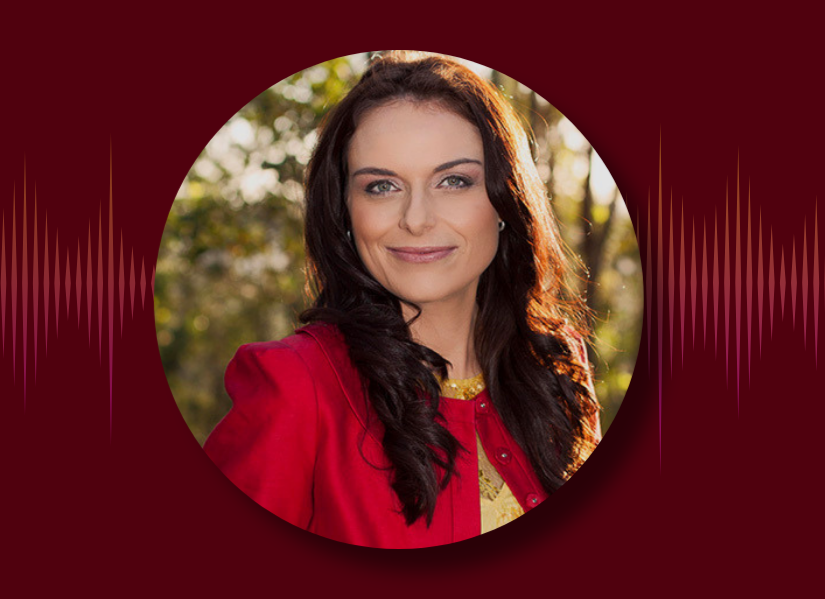
Award-winning journalist and podcast creator Alison Sandy has spent her career pursuing stories that matter. Driven by a strong sense of fairness and an unwavering commitment to accuracy, she has built a reputation for exposing injustice, challenging accepted narratives and giving a voice to those who might otherwise go unheard. Whether reporting for traditional media or creating internationally recognised investigative podcasts, Alison approaches every story with the same principles: integrity, empathy and a relentless pursuit of the truth.
For those unfamiliar with The Truth About Amy, what drew you to the story, and why was it important to tell?
As soon as I heard the story of Amy Wensley, I just knew I had to make the podcast. It was a clear injustice and the only way that could be reversed is if we undertook our own investigation and lay out all the details for the world to see. It had everything – class prejudice, institutional bias, victim misidentification and shoddy police work, not by the uniform officers, but the detectives. Unfortunately, the wheels of justice turn slowly but we will not stop until Amy’s killer is convicted.
You've spent much of your career holding people and institutions to account. Where does that drive come from?
I think most of us get upset, or angry when life is unfair and I’ve always had that burning desire to get the truth out there and present the facts so people can form their own opinions. And more than ever, people need a trusted source and journalists of integrity. Having been a journalist for so long, I know the importance of undisputable facts and attention to detail and have always been passionate about finding the truth and sharing that with as many people as possible.
Accuracy and trust are central to your work. How do you ensure you get the details right, especially on complex investigations?
They say there’s two sides to every story, but often there’s many more than that. It’s imperative to get as many perspectives as possible and ensure right of reply for anyone implicated. I also go over what they say with them (not provide them a copy but read back to them what’s been said and the context). I never make assumptions and keep doing checks. You quickly learn in journalism that any error will be picked up, even if it’s relatively innocuous.
What's one skill that has been critical to your success, but is often overlooked?
That’s a tough one. I’ve got a very strong moral compass and take my job very seriously. When people criticise the ‘media’ or ‘journalists, they always talk about us as though we’re all ‘vultures’ and/or exploit human misery. Yet, there’s acknowledgement that the profession is also needed to ensure accountability particularly by people who are in positions of power and authority. However, often there’s no distinction made between the two. Like all professions, there are good and bad. I don’t take anything for granted and understand how important it is to really listen to people understand their perspective, whether right or wrong, and respect the trust they put in me to tell their stories. It’s much more than storytelling for me; it’s a public service.
Through your investigations, what have you learned about people that has surprised you most?
The thing that has surprised me most is that a lot of what I believed growing up, so-called normal behaviour and mainstream social values could still be challenged. When I was at school, we were told women were equal and could ‘do anything’, that the feminism movement had achieved its objective and anyone who thought otherwise was ‘difficult’ or unreasonable. Now when I look back, I just think how naïve and innocent I was – and very unprepared for the reality of the situation. I understand the plight of underdogs, marginalised groups and people who are rendered powerless. As such I want to ensure they do have a voice, because sometimes enabling that to be amplified is all that’s needed.
What opportunities has podcasting created for investigative storytelling that traditional news formats can't always provide?
The best thing about podcasts is they're relentless and aren't hindered by word count or space. All of my podcasts resulted in authorities taking action due to the ongoing scrutiny of circumstances and procedures. Legacy media shows like 60 Minutes have massive impact when they run, but unless there's follow-up and ongoing coverage, the momentum is lost, and many agencies or authorities positioned to address the raised issues simply won't act. They'll ride out the negative publicity and just hope the matter goes away.
The Lady Vanishes reached more than 22 million downloads. What did its success teach you about the stories audiences are seeking today?
Audiences like to be involved and are extremely invested in real-life true crime investigations. It's still a surprise to me how many people reached out with information, advice and suggestions. We received many legitimate leads and chased every rabbit down every hole. And despite many dead ends, the audience still enjoyed listening to the process. Podcasts aren't just about the destination, but the journey.
What's the biggest opportunity and biggest challenge facing podcasters over the next ten years?
Podcasting has become very popular but there’s also huge demand. It’s hard to give advice to all podcasters, but for journalists, there’s a natural fit because we are trained to inform and accurately report events/news. However, one of my favourite podcasts is The Rest is History, which is hugely successful worldwide and hosted by two historians. The key is to know your subject matter really well and have a basic plan of what your want to achieve. The biggest challenge is increased competition and being able to find your audience, which is very problematic for people who haven’t built their brand or are unable to tap into mainstream media. Technology is constantly evolving so I’m sure there will be a whole raft of new challenges in 10 years’ time.
What's your advice for aspiring podcasters who want to create meaningful content and build audience trust?
Always remember with everyone you interview that this is their life, not just a story. I am empathic by nature, which helps, but any journalist worth their salt must report with integrity and check everything, from the spelling of names to 'right of reply'. It's imperative to respect everyone involved including the audience. A journalist's reputation is everything, and in this day and age, there's no excuse for errors.
What's something people might be surprised to learn about you, and how has it influenced your work?
I was the ‘class clown’ at school. I love making people laugh – that hasn’t changed but I’ve also become an avid multi-tasker, which goes with being a mum working full-time. Upon leaving school, I really wanted to be successful and when I was told at university that only about five per cent of us studying journalism would end up being a journalist, I was determined to ensure I made the cut. I travelled extensively for work experience in print, radio and TV, canvassing four states and even did a football newsletter just so I could get published. I never underestimate anyone or lose sight of what’s expected of me as a journalist and the requirement to report the news as impartially as possible. To me, journalism is like a ‘super power’ and it must be used for good.
QUT Degree:
Bachelor of Arts (Journalism) (1998)
Do you have a question for Alison? Connect with her on LinkedIn.
Author

Victoria believes that every alumnus has a story worth telling. Naturally curious, she asks the thoughtful questions others often don't — creating stories that connect, inspire and reflect the depth of the QUT Alumni community.