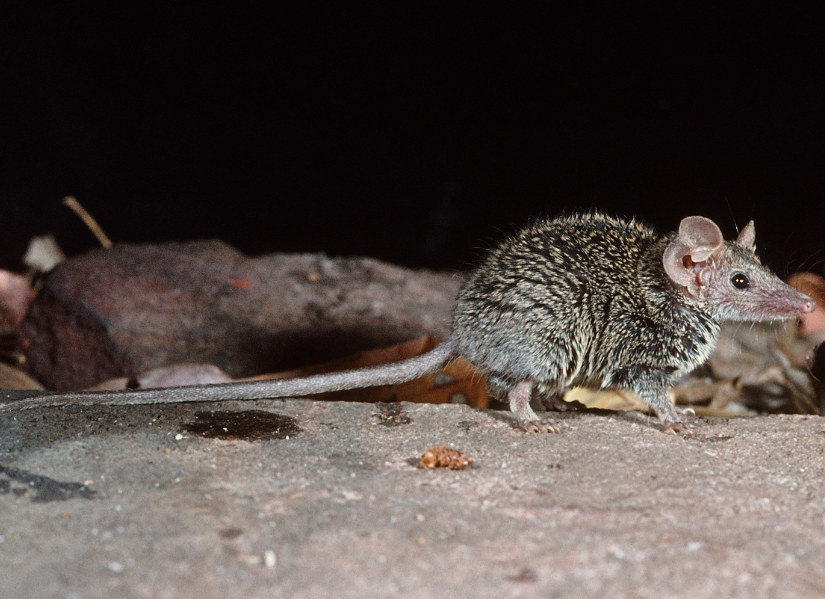
See the most recent research updates from QUT this month including a newly discovered tiny marsupial, a new research partnership with Metro North Health, a Global Innovation Challenge for the business of sport a nationwide study on critical knowledge gaps in child and adolescent cancer care.
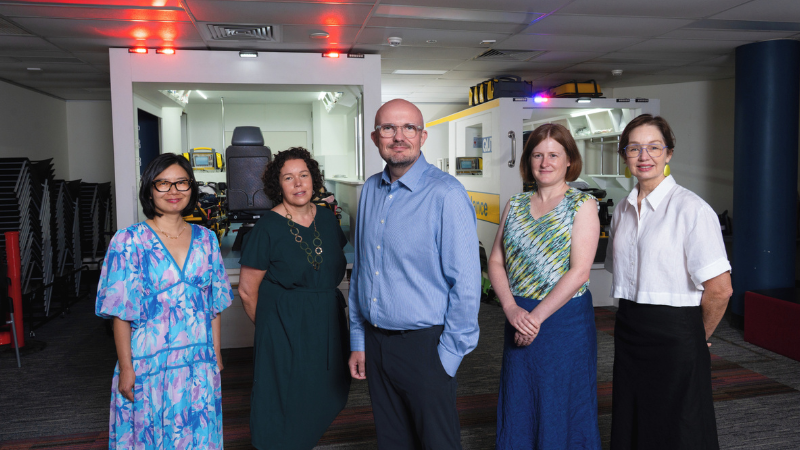
QUT and Metro North Health awarded $1.47 million to partner in tackling hospital access block
Researchers from QUT and staff at Metro North Health and Clinical Excellence Queensland will partner on a new project to address hospital flow, with $1,474,488.80 awarded through the National Health and Medical Research Council (NHMRC) Partnership Projects funding scheme. Read more.
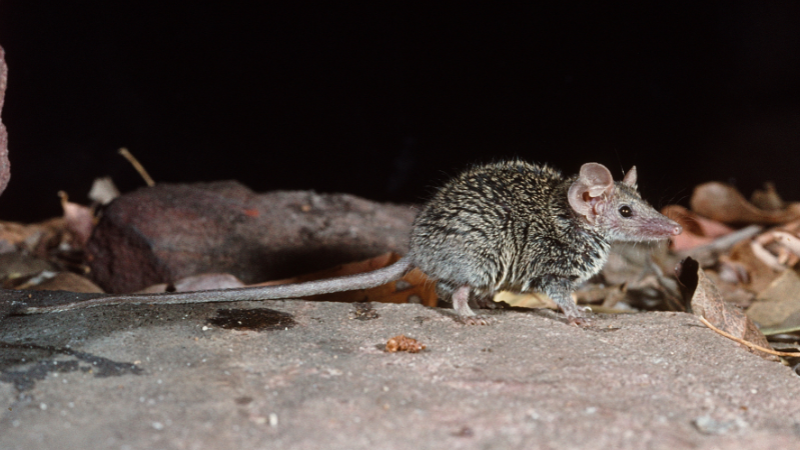
Newly discovered tiny marsupial found in the NT joins the planigale genus
The world’s tiniest marsupials, the planigales, have just gained a new species, Planigale petrophila, named after the rocky landscapes in Arnhem Land, where it was found, after extensive genetic and morphological analysis led by QUT ecologists. Read more.

Global Innovation Challenge shoots for the business of sport
International university students are visiting Brisbane this week for the 2026 Global Innovation Challenge (GIC) at QUT to learn from Australian sport and education experts, including netball and cricket bosses. Read more.

Top 10 research gaps in child and adolescent cancer care identified in nationwide study
Critical knowledge gaps in child and adolescent cancer care identified in a QUT-led nationwide study highlighted the need for research focused on cancer treatment safety, toxicity and resistance alongside a need for personalised psychosocial support during treatment and survivorship. Read more.

Concrete plan needed for Brisbane 2032 housing legacy
New QUT research has called for a formal Brisbane 2032 Olympic and Paralympic Games housing legacy plan to help ease the region’s housing crisis by prioritising increased social and affordable housing before and after the Games. Read more.

Brushing your teeth daily could prevent hospital-acquired pneumonia
A simple improvement in oral care for hospitalised patients reduced the risk of non-ventilator hospital-acquired pneumonia by 60 percent, a trial of 8870 patients in three Australian hospitals has found. Read more.
Author

Jenni is an innovative communications, marketing and engagement specialist with fifteen years of industry experience. She is also a proud QUT alumnus with a Bachelor of Creative Industries (Interdisciplinary).