
New QUT research has called for a formal Brisbane 2032 Olympic and Paralympic Games housing legacy plan to help ease the region’s housing crisis by prioritising increased social and affordable housing before and after the Games.
The QUT Centre for Justice report, Where is the housing legacy? Towards a Brisbane 2032 Housing Legacy Plan, contains insights from stakeholders who were part of the first two workshops in the centre’s 2032 Housing Legacy Seminar Series.
A third public seminar will be held today (June 9) and focus on the critical role of athlete villages in delivering lasting housing outcomes for Olympic host cities.
The free webinar, The Housing Legacy of Athletes’ Villages, will be co-hosted by the QUT Centre for Justice and Q Shelter and feature three international experts with experience with the Paris, London and Melbourne (Commonwealth) games on social housing projects.
The Centre for Justice is currently developing recommendations and a framework for a legacy plan – with the help of stakeholder feedback – which they will present to the Queensland Government to help inform planning.
Centre researcher Dr Lyndall Bryant (pictured above), a leading Australian expert on property economics and the housing crisis, authored the new report and will speak at today’s public seminar.
She said Brisbane 2032 represented a “once-in-a-generation” opportunity to reshape south-east Queensland’s housing system – but only if social and affordable housing is embedded in early planning.
Her report warns that Brisbane is already under severe housing stress, with average house prices above $1 million and rents rising at double the rate of inflation, and that the Games are putting more pressure on rents and affordability.
Dr Bryant said the provision of social and affordable housing was an important part of achieving the International Olympic Committee’s priorities to deliver lasting social outcomes for host communities.
She said it was important for commitment to social and affordable housing to be locked in through the creation of a Brisbane 2032 housing legacy plan, with concrete targets for before and after 2032.
“We need to boost social and affordable housing before 2032 to protect people from displacement in the lead-up to the Games, including vulnerable renters and homeless communities,” Dr Bryant said.
“And after the Games, we need to make sure the athletes’ villages do transition to affordable housing in a manner that meets the planned scale and timeframe.”
The three guest speakers sharing their research, policy and design perspectives at today’s webinar are:
- Dr Julie Lawson, an internationally recognised housing systems researcher and policy advisor, who will speak on the 2024 Paris Olympic Games Athletes’ Village and its post-Games transition into a mixed residential neighbourhood including social and affordable housing.
- Leona Roche, Head of Development at the London Legacy Development Corporation, who will share insights from the long-term legacy of the 2012 London Olympic Games, including the delivery of major mixed-use and housing projects across East London.
- Jonathan Knapp, Director of SJB’s Urban Design Studio, who will explore how athlete village design can translate into a lasting housing legacy, drawing on SJB’s work on the planned Parkville Commonwealth Games Village and the Sydney Olympic Park Master Plan 2050.
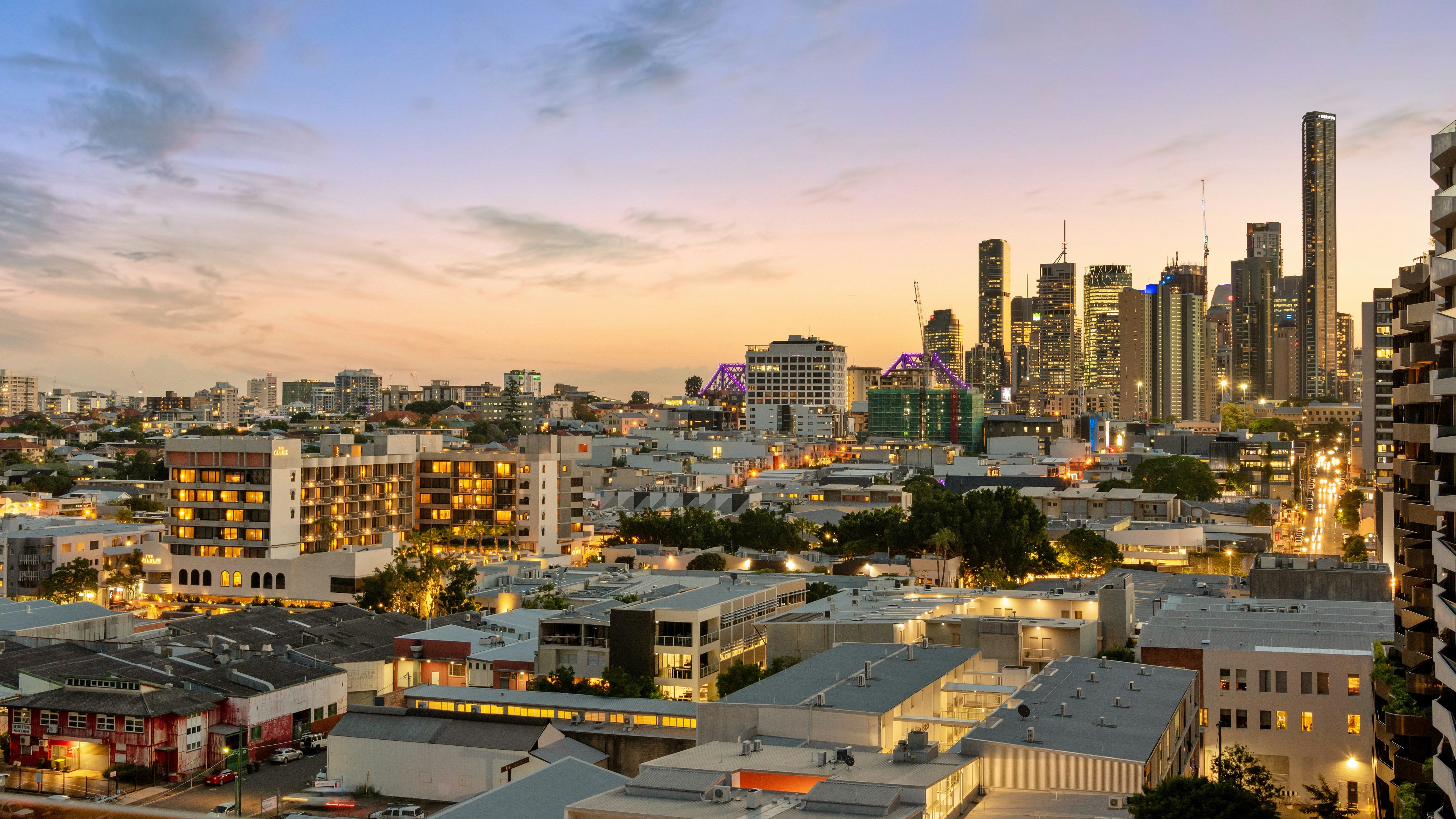
Three athlete villages will be built for the 2032 Games – a major village in Brisbane (Bowen Hills), and smaller villages on the Gold Coast (Royal Pines) and Sunshine Coast (Maroochydore). Combined, they will contain 16,400 beds in buildings that are being designed to convert into permanent, mixed-tenure communities.
The first two seminars in the Centre for Justice’s 2032 Housing Legacy Seminar Series gathered participants including community housing providers, homelessness services, industry representatives, government officials and researchers.
Their feedback in the resulting report includes the identification of the following key housing legacy priorities:
- creating a substantial, longterm supply of social and affordable housing
- protecting vulnerable renters from displacement
- ensuring that planning, infrastructure and community development work together to support inclusive neighbourhoods
- improved housing diversity
- a commitment to ending homelessness through supportive housing approaches.
They also believed the biggest barriers to these goals were:
- governments prioritising infrastructure over housing
- fragmented planning systems
- rising construction costs
- labour shortages
- profitdriven market pressures
- community opposition to higherdensity housing and social housing
People interested in joining today’s 4pm public webinar can register here.
Main image at top: Dr Lyndall Bryant
Media contacts:
Mechelle McMahon, QUT media officer, media@qut.edu.au
After hours - media@qut.edu.au / 0407 585 901


