About the office
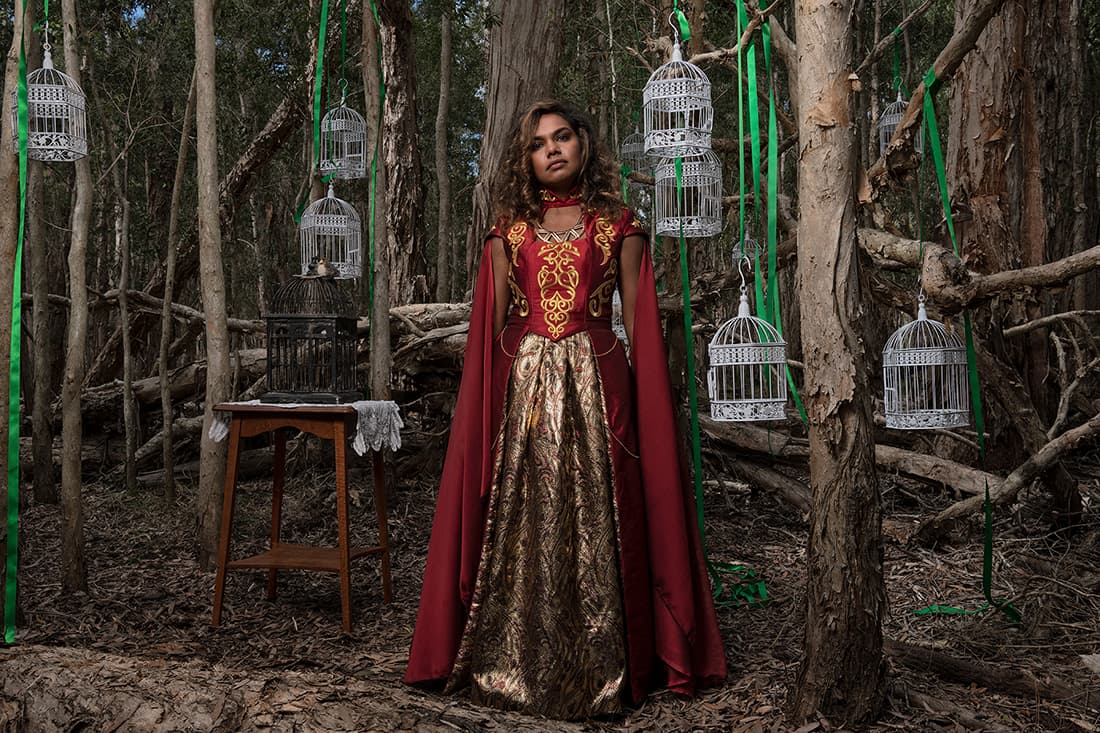
The Office of the Deputy Vice-Chancellor, Indigenous Australians leads the university’s engagement with Aboriginal and Torres Strait Islander students, staff, researchers, alumni and communities.
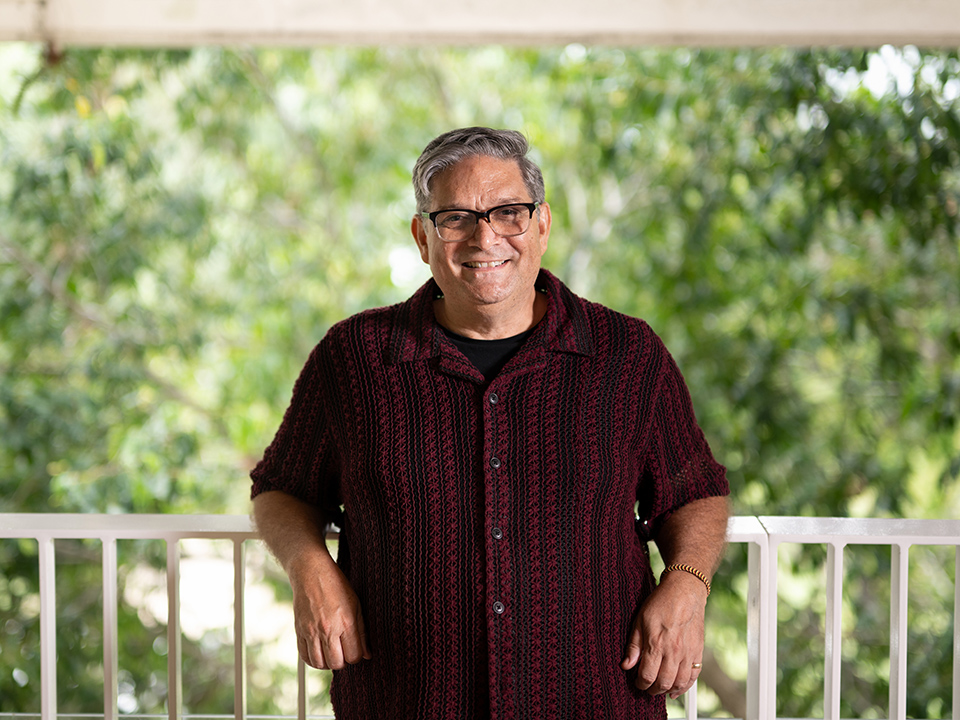
Led by Deputy Vice-Chancellor Indigenous Australians, Professor Wesley Enoch AM, our work is underpinned by a recognition of the significant contributions Indigenous peoples and perspectives bring to universities, and an understanding of the transformative power of higher education for individuals, families and communities.
As part of the Chancellery Division, the office helps drive strategic priorities across the university by providing leadership, coordination and operational support through policy development, project delivery, business operations, reporting, and budget planning.
Our goal is for QUT to continue to be a vibrant, welcoming and culturally diverse community that embraces Indigenous perspectives and truth-telling across real-world education, research excellence and lifelong learning.
Strategic initiatives and impact
The Office of the Deputy Vice-Chancellor Indigenous Australians leads and supports initiatives that strengthen Indigenous visibility, cultural capability, engagement and self-determination across the university.
Current and recent initiatives include:
Campus to Country
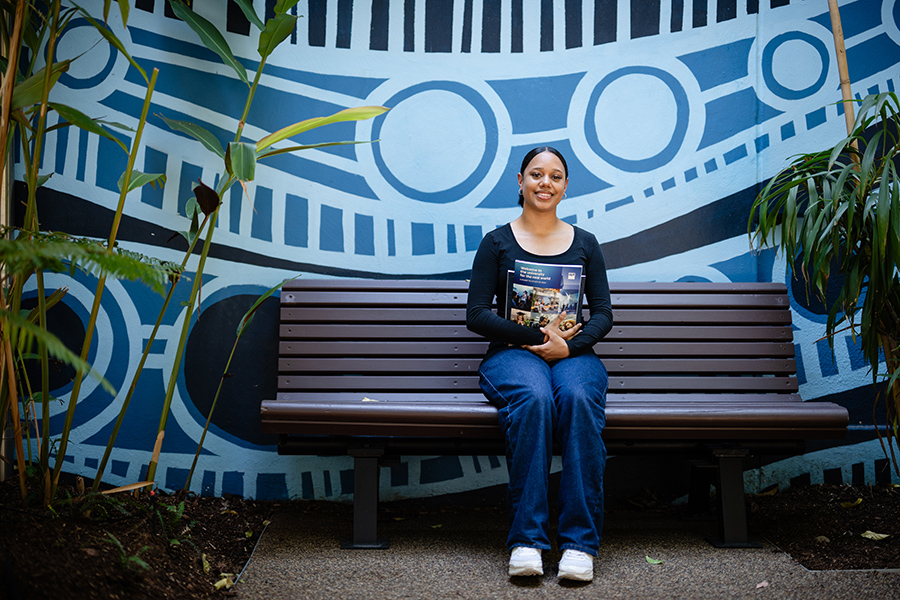
Initiatives that create culturally significant spaces and experiences across QUT campuses, including the Elders Garden, Yandiwanba and traditional cultural gathering spaces.
Indigenous cultural and intellectual property (ICIP)
In collaboration with Terri Janke and Company, we are developing a policy to support the protection, recognition and respectful use of Indigenous knowledges, cultural expressions, artefacts and data, providing guidance for both researchers and the Indigenous communities they engage with.
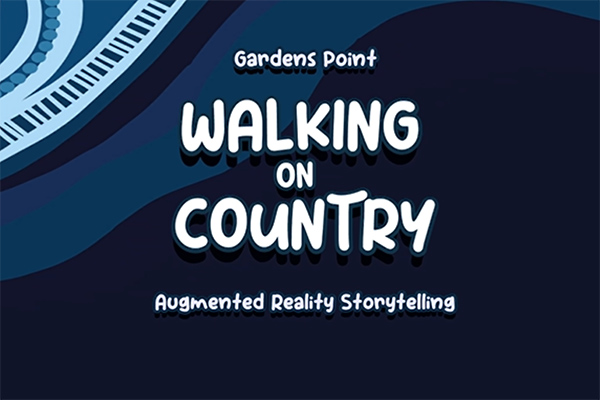
Walking on Country
A mobile app using geo-locational and augmented reality technology to immerse the user in the history and culture of the Turrbal and Yugara people at our Gardens Point campus.
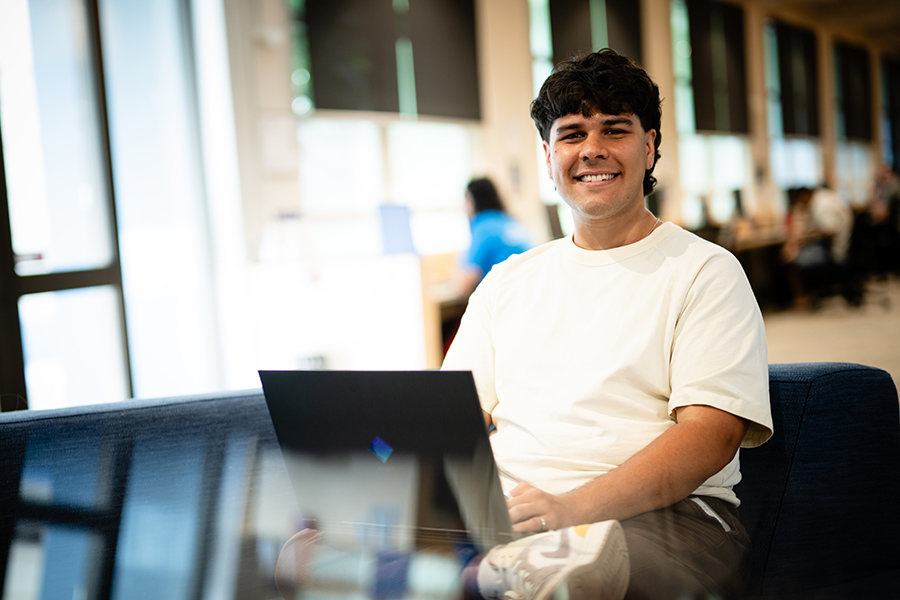
Aboriginal and Torres Strait Islander terminology guidelines
Our office led the development of updated terminology guidelines to support culturally safe, respectful and consistent communication across the university.
Indigenous Australian culture, community and connection
Aboriginal and Torres Strait Islander people
We aspire to be the university of choice for Aboriginal and Torres Strait Islander peoples by creating opportunities for success, leadership, connection and belonging. Indigenous perspectives are embedded across education, research, community engagement and campus life.
Indigenous Australian alumni
Our Indigenous alumni are leaders, innovators and changemakers making a difference in communities, industries and professions across Australia and beyond. Stay connected through the QUT Indigenous Australian Alumni network.
Walking on Country app
The Walking on Country app invites users to explore the Aboriginal and Torres Strait Islander histories, stories and cultural significance of places connected to QUT Gardens Point campus. Through a self-guided tour, the app encourages deeper understanding of Country and First Nations knowledge.
Indigenous Australian teams across QUT
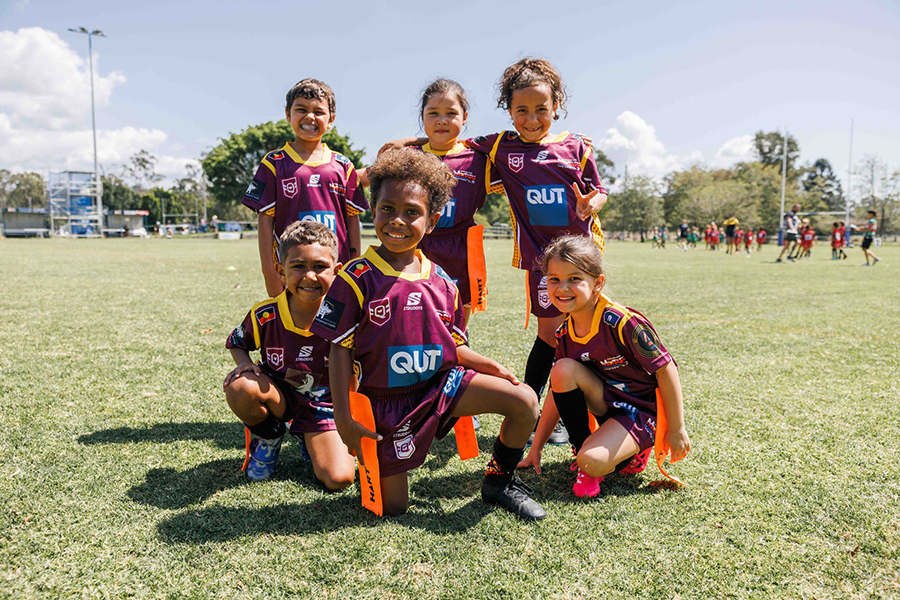
Connect with us: Partnerships and Community Engagement
Meet the team working with communities, schools and organisations to build pathways into higher education, support Indigenous student recruitment, and strengthen QUT's connections with Aboriginal and Torres Strait Islander peoples.
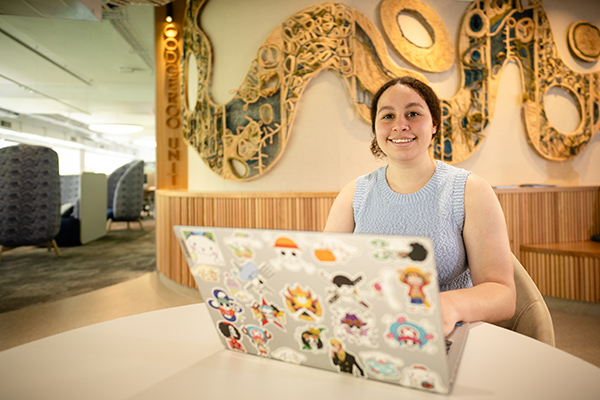
Study with us: Oodgeroo Unit
The Oodgeroo Unit provides pathways, support and a welcoming community for Aboriginal and Torres Strait Islander students. Through dedicated academic, cultural and personal support services, the unit helps students access higher education and reach their full potential.

Research with us: Carumba Institute
The Carumba Institute is QUT's Indigenous research and education environment dedicated to advancing Black Knowing. The Institute supports researchers, develops Indigenous research capability and works in partnership with communities to address priorities that matter to Aboriginal and Torres Strait Islander peoples.
Our journey
A snapshot of Indigenous Australian excellence from across the QUT community throughout 2025.
Watch video
A snapshot of Indigenous Australian excellence from across the QUT community throughout 2023.
Watch video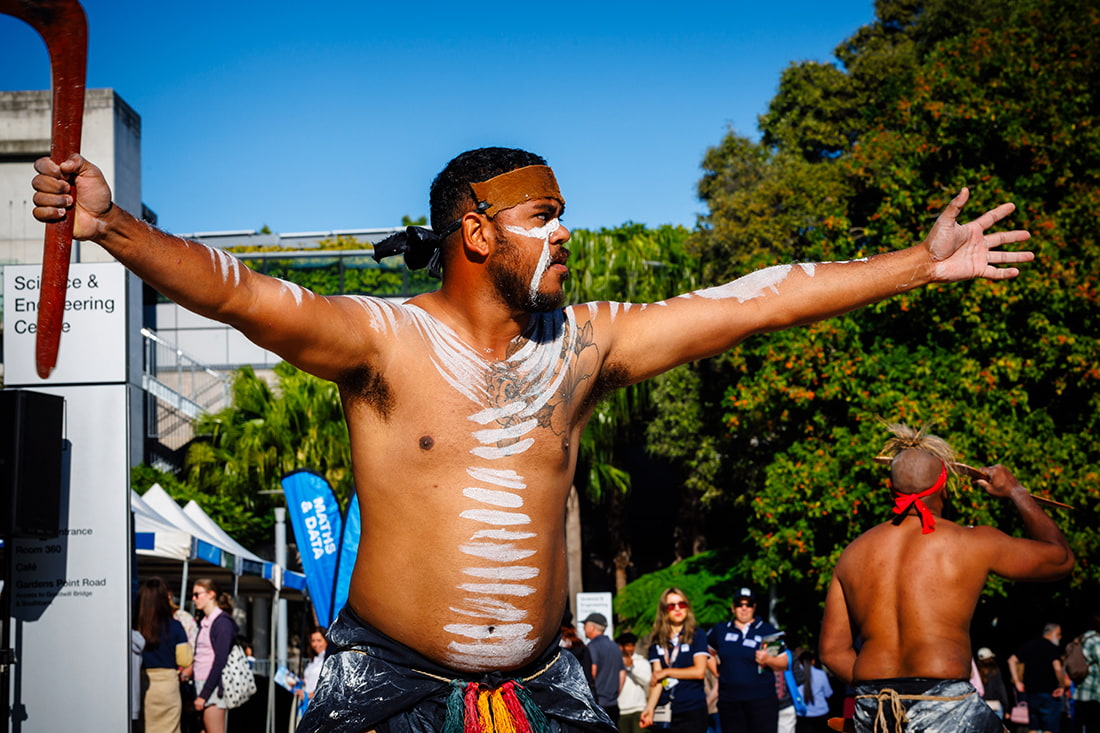
A snapshot of Indigenous Australian excellence from across the QUT community throughout 2022.
Watch video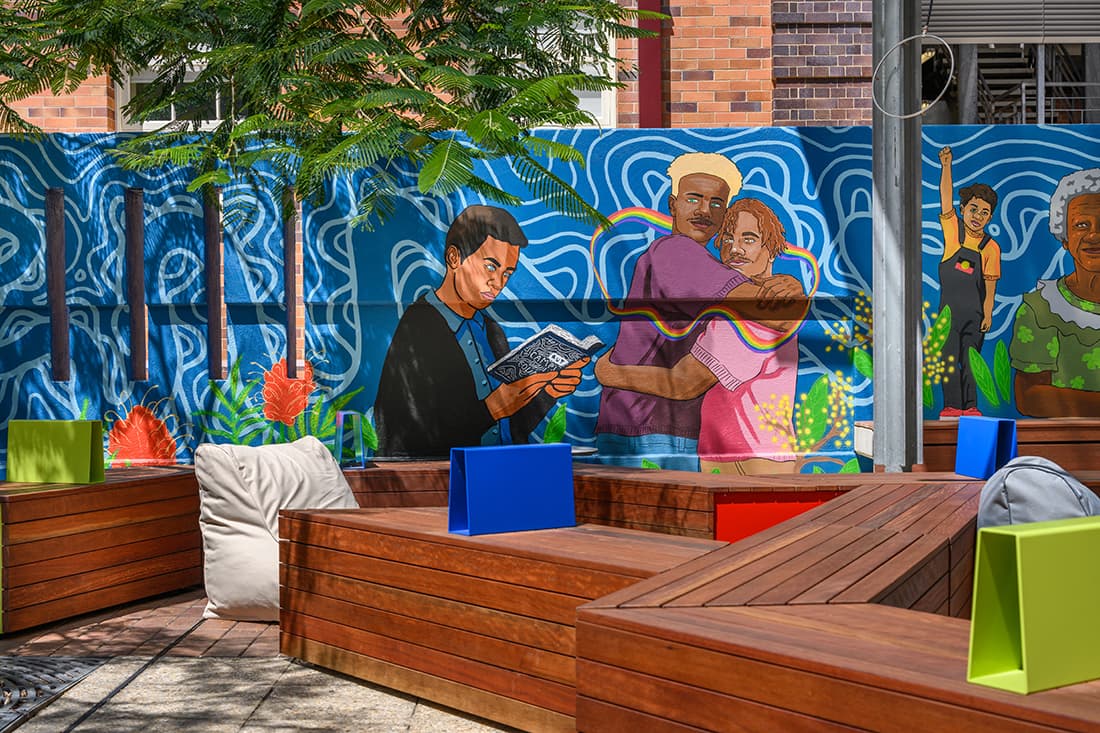
A snapshot of Indigenous Australian excellence from across the QUT community throughout 2021.
Watch video