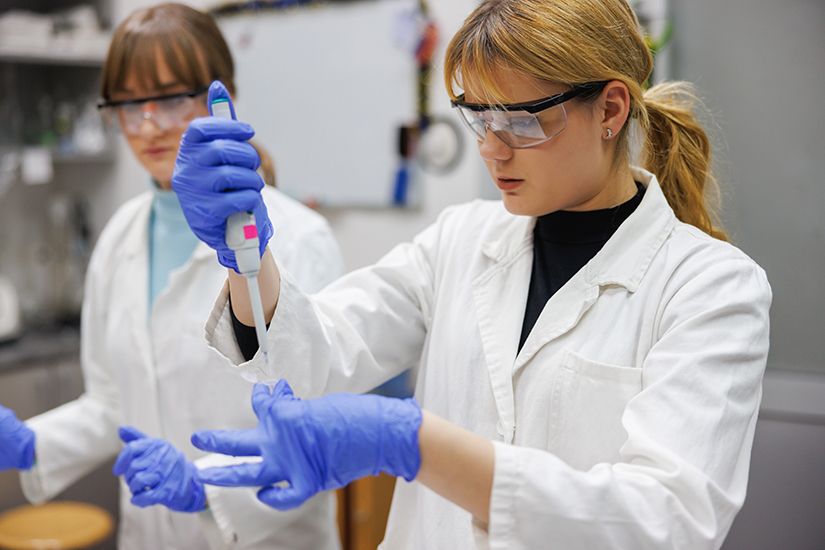
By Cayley Parker, 6 October, 2026
Biotechnology is one of the newest majors available in QUT’s undergraduate science degrees.
But what exactly is biotechnology, where could it take you, and how is it different from other areas of science?
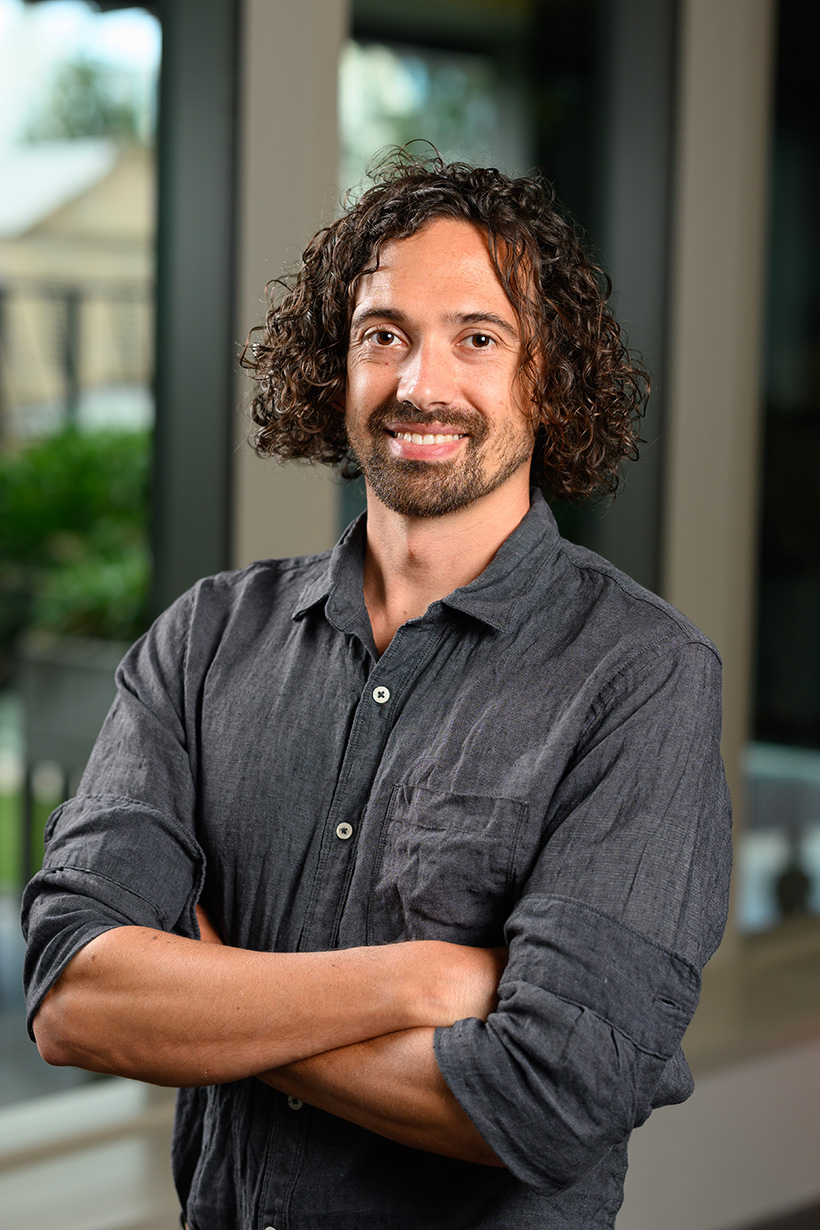
We asked Associate Professor James Behrendorff, biotechnology major coordinator and researcher in synthetic biology, to answer some common questions about this growing field.
What is biotechnology?
The science of biotechnology uses living organisms such as microbes and plants to create useful products and solve practical problems. It can be used to improve food production, develop more sustainable ways of manufacturing products, and help tackle environmental challenges.
What's the difference between biotechnology and biology?
There is some overlap because both fields involve studying living systems, but they focus on different questions. Biology is about understanding how living things work, from individual organisms through to entire ecosystems. Biotechnology takes that knowledge and asks how can we use it? It focuses on applying biology to solve problems, develop new technologies and create useful products. If you're interested in biology but also like the idea of turning scientific discoveries into practical solutions, biotechnology could be a good fit.
Can you give us some real-world examples of biotechnology in action?
Biotechnology is already having an impact in agriculture, manufacturing and the environment. For example, scientists are working on crops that can better cope with climate change, producing safer bio-based alternatives to synthetic pesticides, developing alternatives to fossil fuel-based materials and finding new ways to restore damaged environments.
A good example is precision fermentation, which uses engineered microorganisms such as yeast or bacteria to produce useful ingredients and materials. It's an area that's attracting a lot of interest because of the impact it is having in changing how many products are made including food ingredients, chemicals, and medicines.
How is biotechnology helping solve global challenges?
As populations grow and the effects of climate change become more significant, finding more sustainable ways to produce food, materials and energy is becoming increasingly important. That's where biotechnology has a lot to offer. Researchers are figuring out how to reduce waste and develop alternatives to resource-intensive manufacturing processes, restore damaged environments, and support more sustainable use of natural resources. Using biology is one of the few ways in which some industrial manufacturing methods can be redesigned to be to carbon-neutral. Biotechnology is incredibly versatile as the same scientific principles can be applied to very different challenges, depending on the problem you're trying to solve.
What careers can biotechnology lead to?
Biotechnology graduates can pursue a wide range of careers, from developing new technologies to helping tackle sustainability and environmental challenges. Some work in research and development, creating and testing new solutions. Others work with businesses, government and industry to improve products, solve environmental problems or help bring new technologies into practical use. There are also opportunities in biotechnology start-ups, environmental consulting and science communication.
One of the advantages of biotechnology is its flexibility. The skills you develop can be applied across a range of industries and career pathways, which gives graduates plenty of options as the field continues to grow.
"The next generation of biotechnology will shape how we produce food, materials, and energy. Students entering the field today have the opportunity to help drive that transformation." – Dr James Behrendorff
What skills do biotechnology students develop?
Students develop practical skills in areas such as molecular biosciences, microbial and plant biotechnology, as well as learning how to analyse and interpret scientific data. Beyond the science, they'll also build skills in critical thinking, problem-solving, communication and teamwork, all of which are highly valued by employers. The major also explores topics such as innovation, entrepreneurship and the ethical considerations surrounding emerging biotechnologies, helping students understand both the science and its broader impact.
Why study biotechnology at QUT?
One of the things I like about the new biotechnology major is that students get to learn from both researchers and industry partners working in the field. They're exposed to areas such as synthetic biology, agricultural biotechnology and sustainable manufacturing, while seeing how these technologies are being applied beyond the university setting.
Students can also learn about precision fermentation through QUT's Pioneer BioPilot Plant – a unique facility in Australia where emerging biotechnologies can be tested at large scale. It's a chance to explore one of the fastest-growing areas of biotechnology and see how microorganisms can be used to produce materials and ingredients in new ways.
Who would enjoy studying biotechnology?
Biotechnology could suit you if you enjoy biology, chemistry, and problem solving. If you are curious about how living systems work and want to apply science to practical challenges, biotechnology could be a great fit.
It's a broad field with opportunities for people with different interests and strengths. While some graduates choose laboratory-based careers, others move into areas such as product development, project management, sustainability, business and entrepreneurship.
It's a good option for students interested in areas such as sustainability, food production, agriculture, manufacturing or the environment. You don't need to have your career mapped out, but curiosity, creativity and an interest in solving problems are a great place to start.

Ready to explore biotechnology at QUT?
Learn how you can develop the scientific knowledge, practical skills and industry understanding to help tackle some of the world's biggest challenges with biotechnology at QUT.
If you’re looking for a flexible, three-year science degree with foundational science units in year one, then choose Bachelor of Science (Biotechnology).
If you’re set on a research career and want to dive straight into the biotech major from day one? The four-year Advanced Science (Honours) degree was designed for students like you.