
Five QUT researchers have received ARC Discovery Early Career Researcher Awards (DECRA), on projects covering topics from social justice to sustainability, valued at $2,529,831.
 Dr Katharina Esau, from the School of Communication and the QUT Digital Media Research Centre, has received $528,013 for her project Democratic Resilience Online: Strengthening Public Opinion Formation Amid Digital Threats.
Dr Esau said the project would investigate how discussions on platforms such as Facebook, Reddit and Wikipedia shape opinions on critical issues like climate change and immigration and identify strategies to foster constructive debate at a time when it is under growing pressure.
“Social media is central to public debate, but it’s also a space where misinformation and polarisation thrive,” Dr Esau said.
“This project aims to reclaim the promise of online communication by creating evidence-based strategies for constructive opinion formation.”
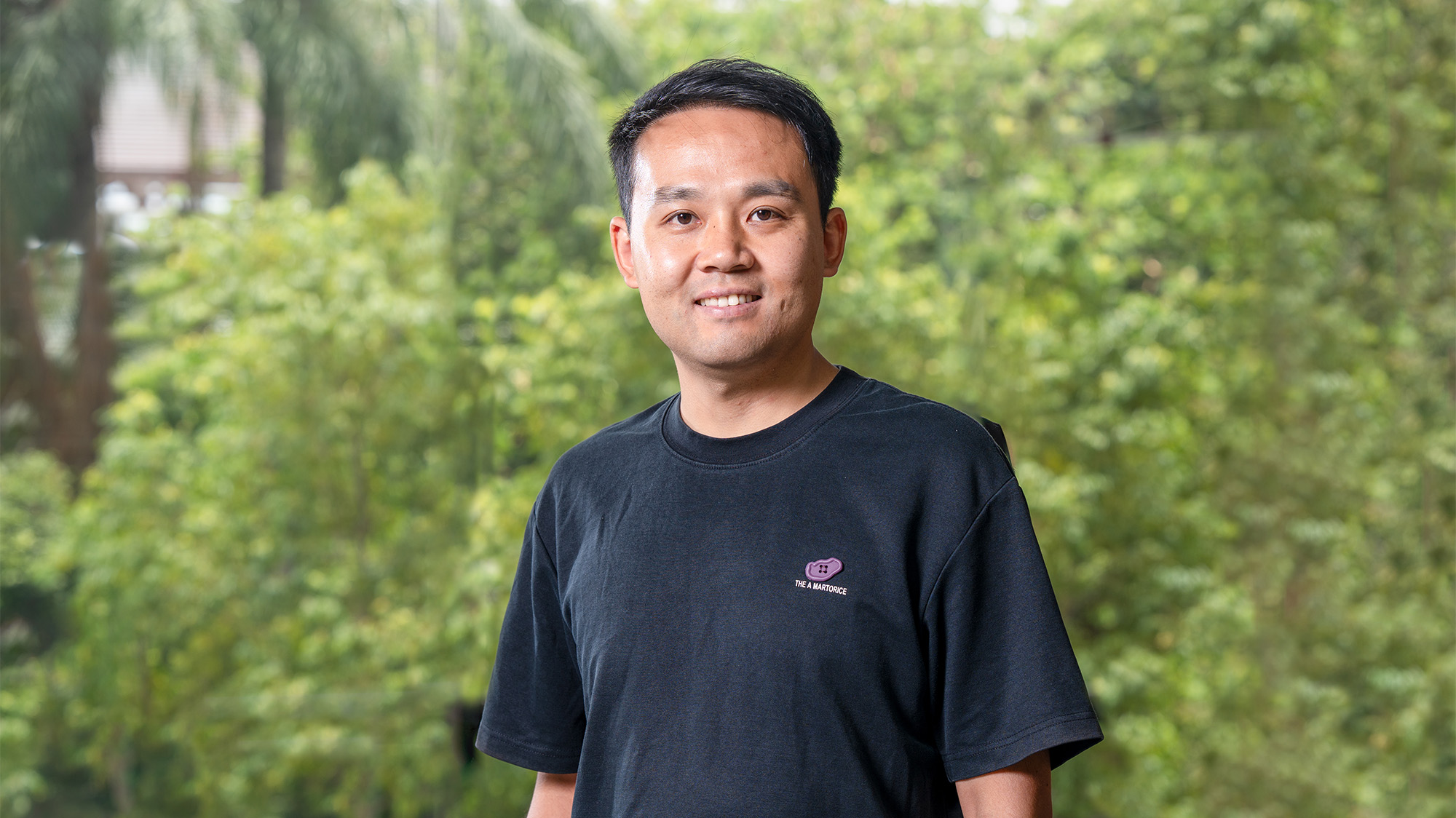 Dr Xin Mao, from the School of Chemistry and Physics, has received $430,079 for his project Electrolyte Engineering for CO Reduction by Machine Learning Force Field.
Dr Mao said the project would use artificial intelligence to design optimised electrolytes for converting carbon dioxide into high-value chemicals such as ethanol and ethylene.
“This project combines artificial intelligence with electrochemistry to tackle one of the world’s most pressing challenges,” Dr Mao said.
“By using cutting-edge machine learning force field methods, we aim to optimize electrolytes and unlock new strategies for efficient CO conversion.”
 Dr Amy McQuire, from the Carumba Institute, has received $522,333 for her project Building Black Justice Journalism.
Dr McQuire said the project would pioneer a new model of journalism ethics that challenges harmful media representations of Aboriginal and Torres Strait Islander peoples.
The field of journalism ethics is constantly evolving, especially with the rise of digital technologies and AI,” Dr McQuire said.
“This project responds to that challenge by centring Indigenous voices and creating ethical frameworks that speak to justice rather than harm.”
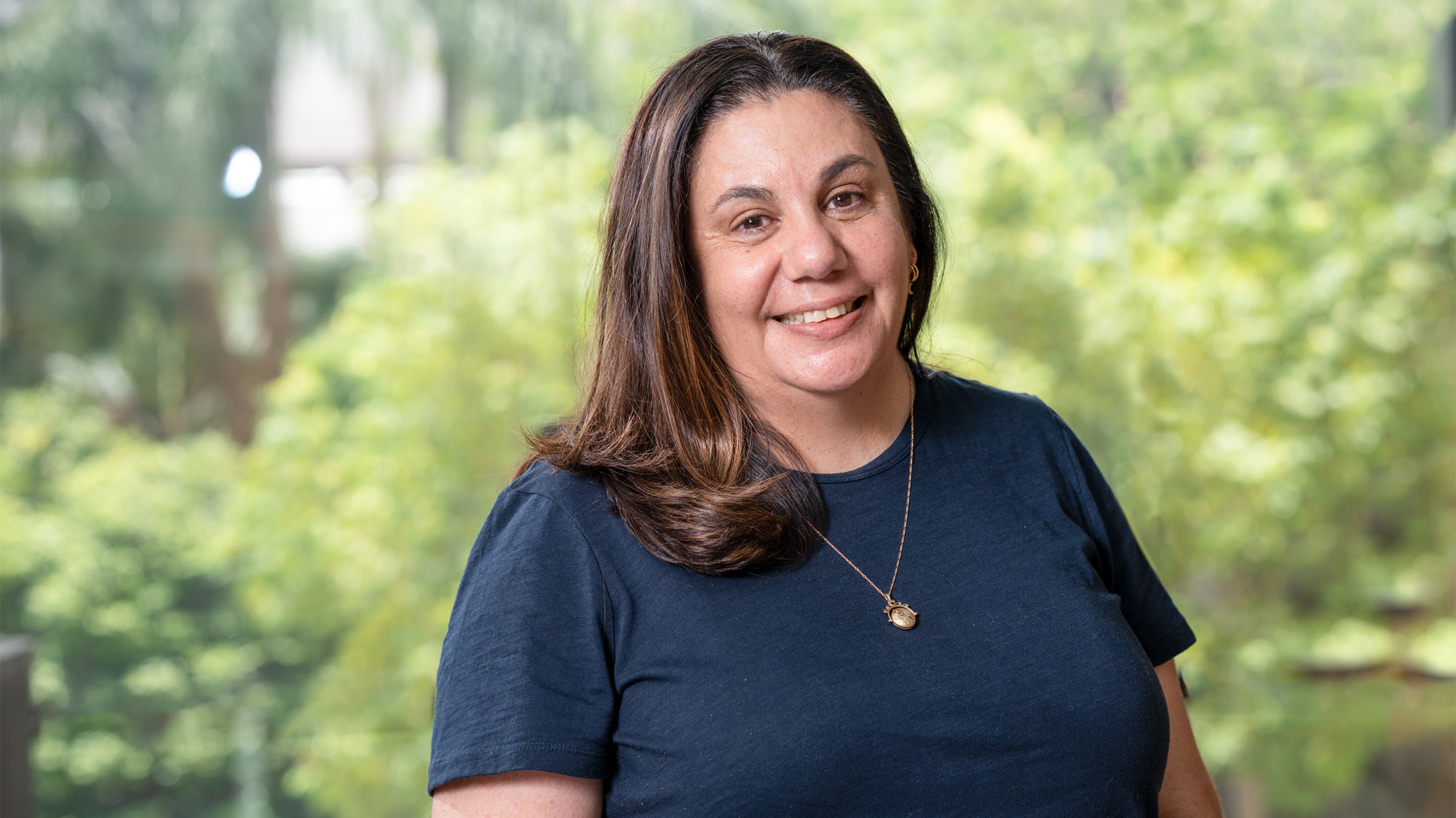 Dr Raylene Nixon, from the Carumba Institute, has received $519,833 for her project Family Testimony as Black Justice: Interrogating Institutional Responses to Black Deaths in Custody.
Dr Nixon said the project would investigate systemic racism and institutional violence in coronial inquests into Aboriginal and Torres Strait Islander deaths in custody.
“Despite reforms since the 1991 Royal Commission into Aboriginal Deaths in Custody, Indigenous families continue to face systemic barriers and institutional harm during coronial inquests,” Dr Nixon said.
“This research will privilege Indigenous voices to reimagine justice and develop policy recommendations that reduce harm and prevent future deaths.”
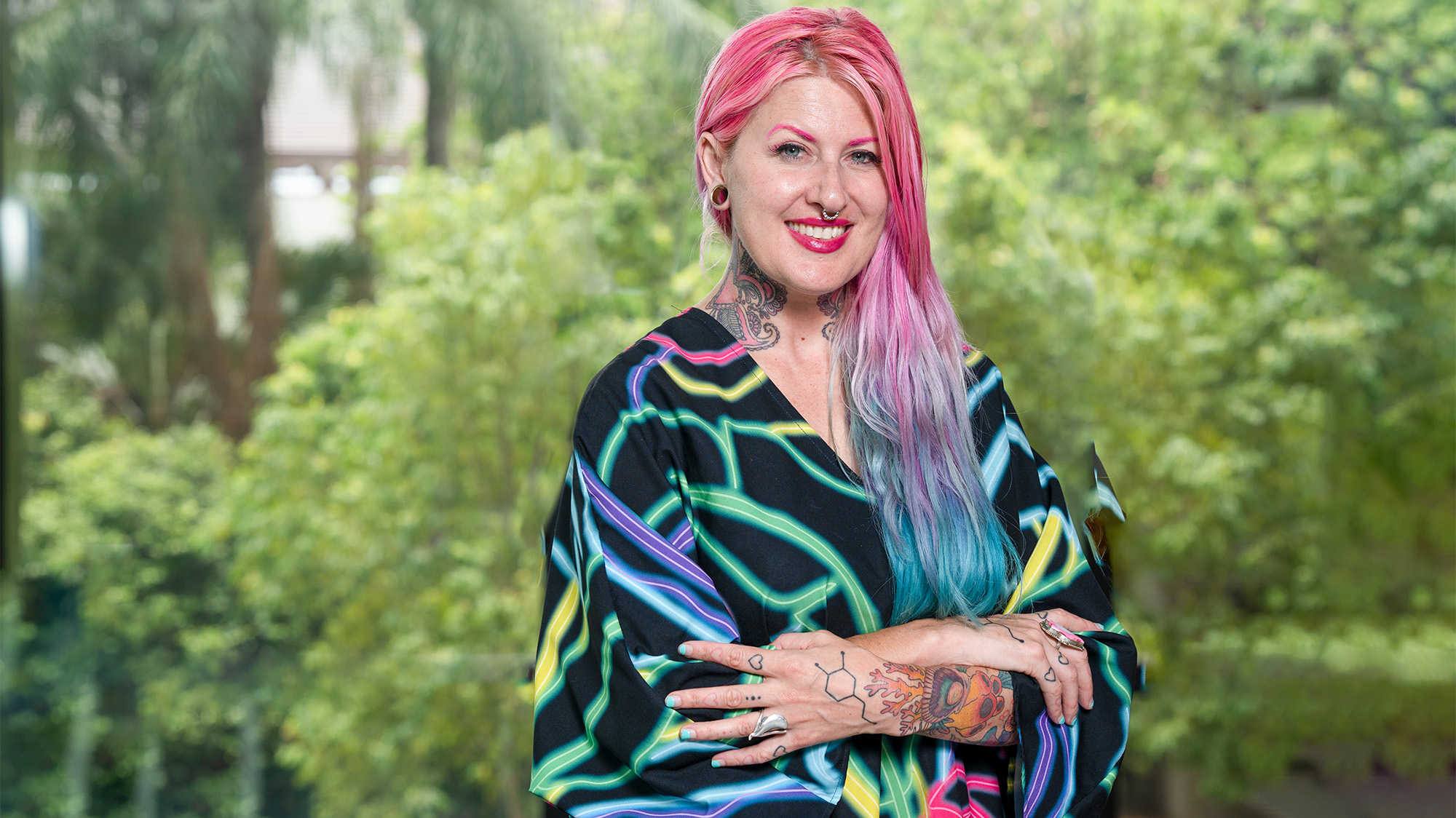 Dr Zahra Stardust, from the School of Communication, has received $529,573 for her project Safeguarding Sexual and Reproductive Rights Online.
Dr Stardust said the project would investigate how digital platforms can better protect sexual and reproductive rights in an era of increasing criminalisation, online surveillance and censorship.
“Digital platforms are important spaces for sexual expression, sex education and sexual health information, however they are often hostile for marginalised communities,” Dr Stardust said.
“This project aims to ensure those spaces are safe, equitable, just and adhere to human rights standards for sexual and reproductive health.”
Top image, left to right: Dr Amy McQuire, Dr Katarina Esau, Dr Zahra Stardust, Dr Raylene Nixon and Dr Xin Mao.
Media contact:
Rod Chester
QUT Media
07 3138 2361 / 0407 585 901 (After Hours)


