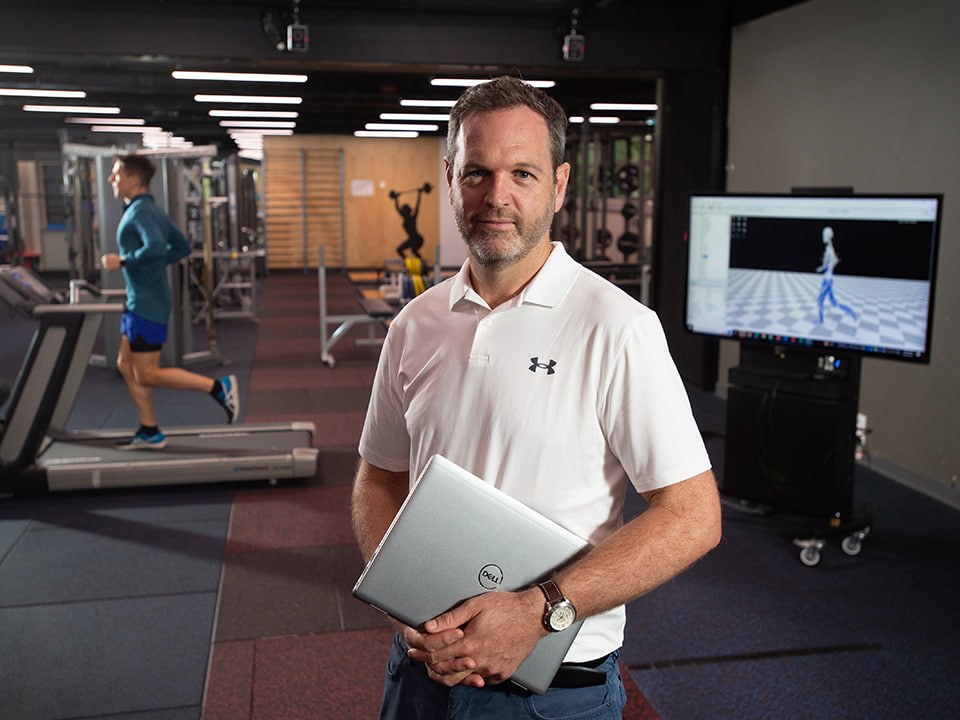
'We are creating tools to easily assess the stresses and strains placed on people's bodies to improve our understanding of both human performance and rehabilitation.'
The spark
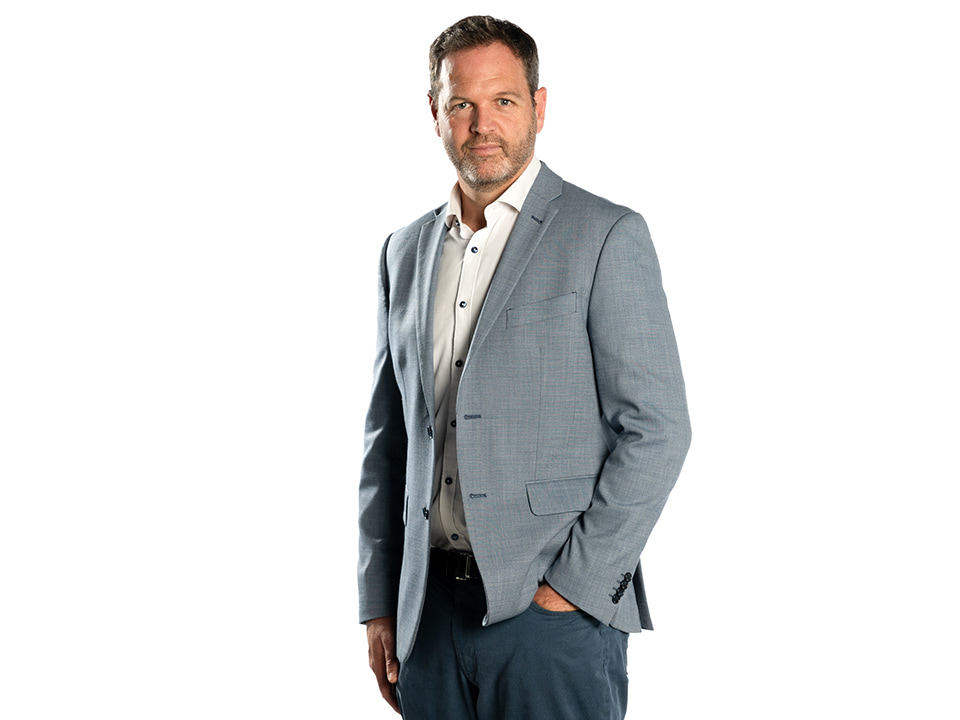
'I was always passionate about sport and science, so combining the two through biomechanics made a lot of sense.'
Research aim
'We aim to understand how our musculoskeletal and nervous systems adapt to enable economical, powerful or precise movements. Ultimately, we then use this information to improve health and performance.'
Real-world implications
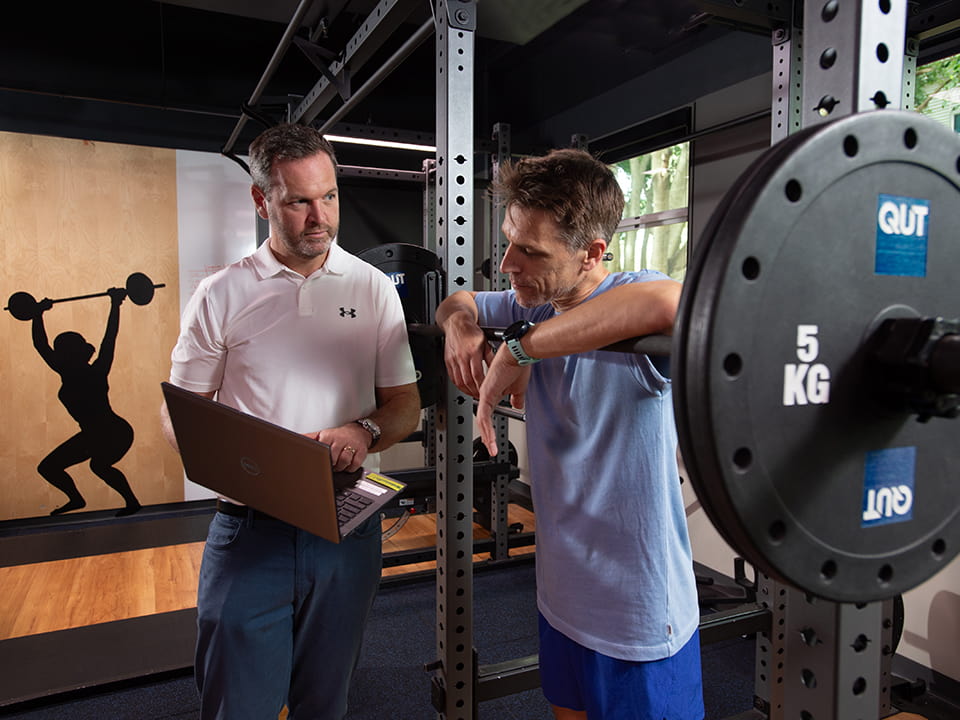
'I am very excited about what we can tell people about their bodies from how they are moving – we have already seen how popular this has been with the explosion of health applications for smart watches. As measurement tools advance further, we can make more personalised insights that can help everyday individuals and clinicians make informed decisions to improve health and wellbeing.'
The challenge
'When our muscles don’t work properly our performance, independence and health can all decline. Understanding muscle mechanical function, how muscles adapt and how muscles can be controlled, is fundamental to improving our health and performance.'

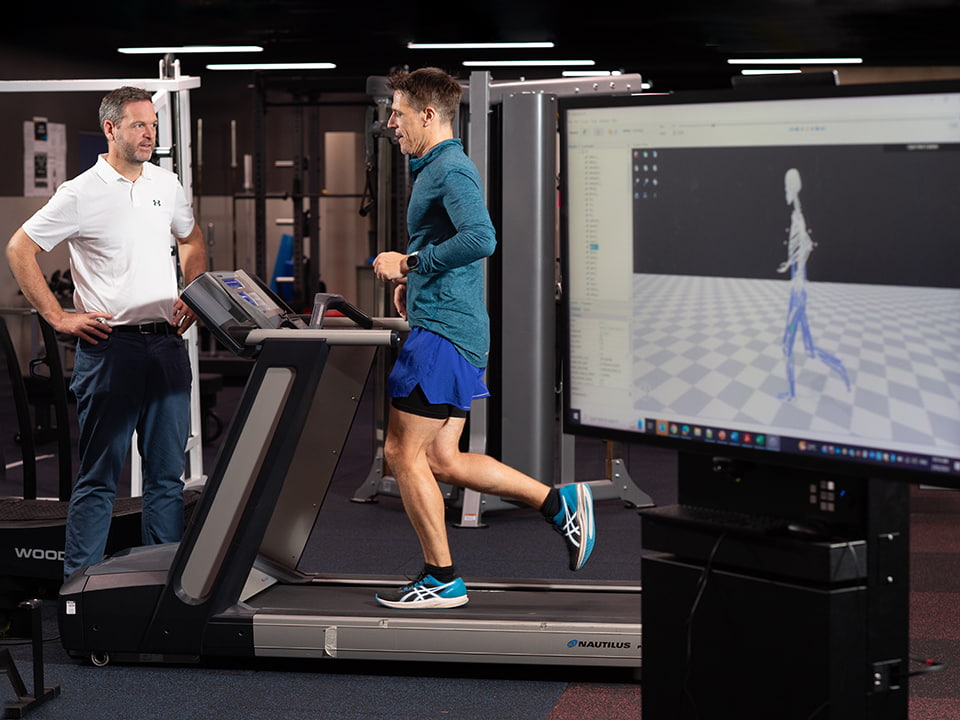
Teaching
'Teaching students about how and why the body moves the way it does and understanding how to both challenge and alleviate muscle function is a fundamental skill needed in the exercise and allied health professions. More importantly, it helps me to work with a diverse group from a broad area of expertise to understand the problems of the future.'
Key collaborators
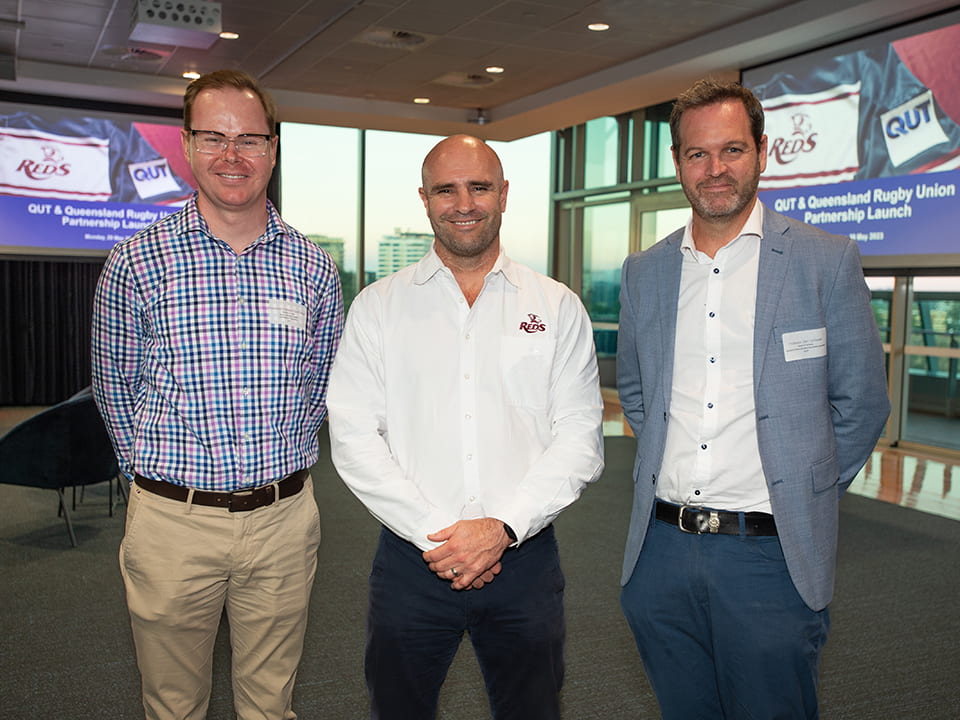
'Innovative research is increasingly becoming multi-disciplinary, requiring extensive collaboration within the university, across different universities and with external partners that drive the research agenda.'
- Stanford University, USA
- Queen's University, Canada
- University of Jyväskylä, Finland
- Australian Sports Commission
- Cricket Australia
- Asics Oceania
- Centre for Children's Health Research
Key achievements
- Developed imaging and simulation tools to assess muscles and tendon stress and strain experienced during movements like walking, running and jumping.
- Established the key role that the muscles within the foot play in modulating the stiffness of the foot as we perform different movement tasks.
- Provided fundamental evidence for how our musculoskeletal design impacts the energy we use to move and how this dictates our preferences for how we move.
Key publications
Pincheira, P. A., Boswell, M. A., Franchi, M. V., Delp, S. L., & Lichtwark, G. A. (2022). Biceps femoris long head sarcomere and fascicle length adaptations after 3 weeks of eccentric exercise training. Journal of Sport and Health Science, 11(1), 43-49.
Farris, D., Kelly, L., Cresswell, A. & Lichtwark, G. (2019). The functional importance of human foot muscles for bipedal locomotion. Proceedings of the National Academy of Sciences of the United States of America, 116(5), 1645–1650.
Raiteri, B., Cresswell, A. & Lichtwark, G. (2018). Muscle-tendon length and force affect human tibialis anterior central aponeurosis stiffness in vivo. Proceedings of the National Academy of Sciences of the United States of America, 115(14).

