QUT last week brought together leading architects, government representatives, industry practitioners, students and alumni to strengthen international connections and explore how global ideas can help shape the future of architecture in Queensland.
From Dudok to now: A Dutch-Australian Architecture Exchange, hosted by the QUT School of Architecture and Build Environment and the Dutch Embassy at the QUT Gardens Point campus, explored the longstanding movement of architectural ideas between the Netherlands and Australia, from Dutch modernism to contemporary design.
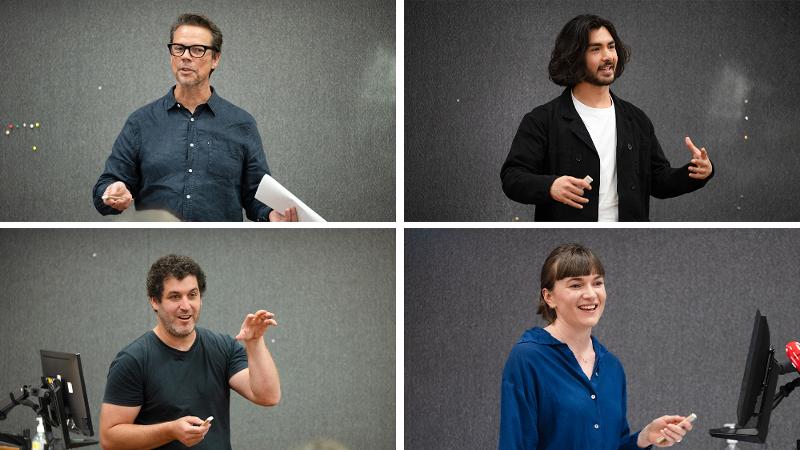
QUT alumni speaking at the event included Erika Swain of Bates Smart, Benjamin Hovav of Brisbane City Council, Matt Eagle of ME Architect and Paul Jones of OMA Brisbane, all of whom have had their careers shaped by their educational, professional and research connections with The Netherlands. Ardi Stoios Braken, Ambassador of the Kingdom of the Netherlands to Australia, also spoke.
The attendees explored how international collaboration could help address some of the most pressing challenges facing contemporary cities, including climate adaptation, flooding, housing, urban growth, sustainability and the future of the built environment.
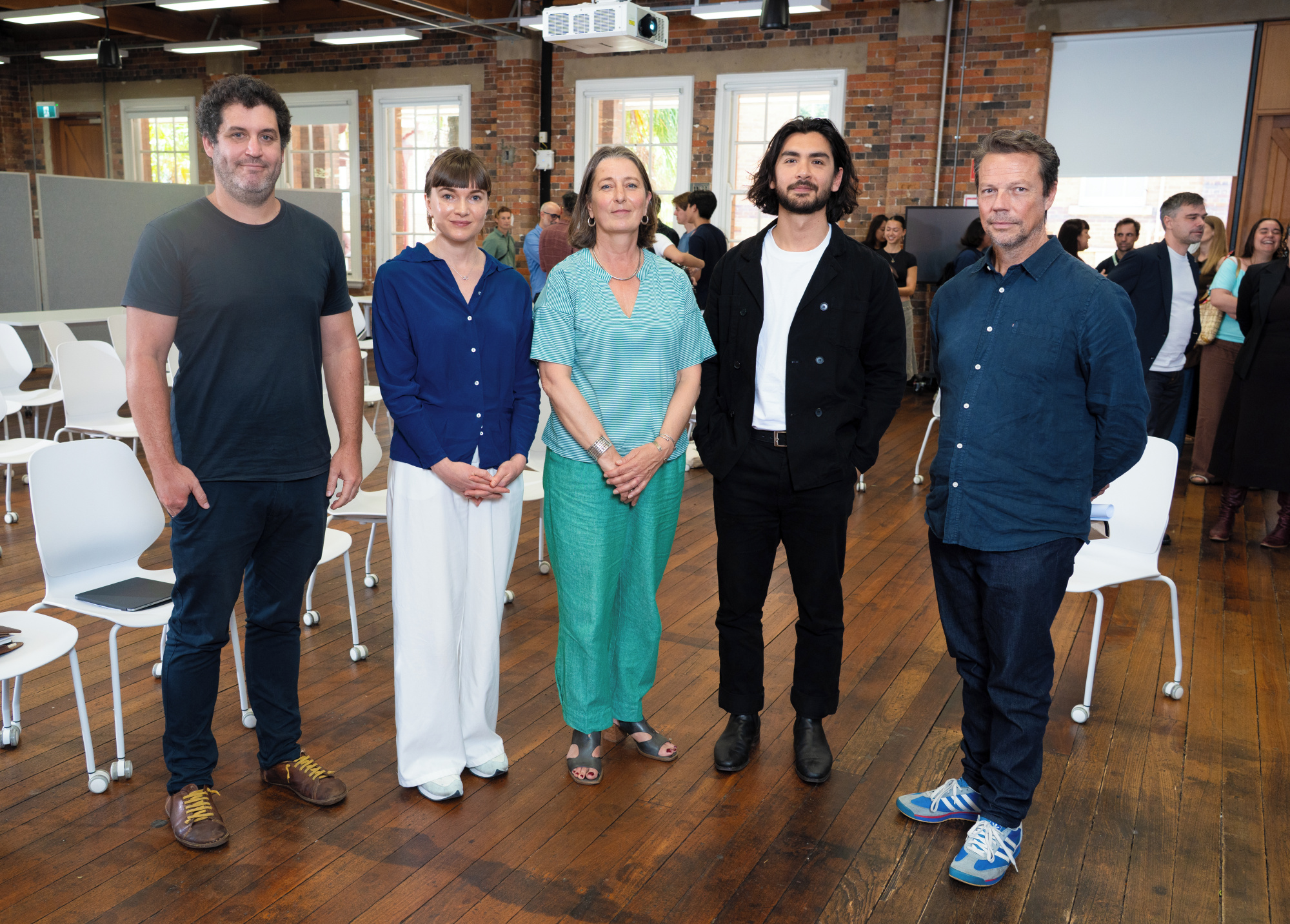
Organiser Dr Kirsty Volz, a senior lecturer in the QUT School of Architecture and Built Environment, said the event highlighted the depth of QUT's relationship with Dutch architecture and design culture.
Next year marks twenty years of partnership (bilateral agreement) between QUT and TU Delft, one of the world's leading universities for architecture, urbanism and the built environment. The partnership has supported a wide range of student exchange opportunities and collaborative research activities, creating valuable educational experiences for students and strengthening international research networks.
"What became clear through the exchange is that Queensland and the Netherlands have much to learn from one another,” Dr Volz said.
“We share many of the same challenges around climate adaptation, flooding, urban growth and creating more resilient communities. By strengthening these relationships through education, research and practice, we can equip the next generation of architects with the knowledge and skills needed to respond to these challenges.
“It was particularly meaningful to showcase the depth of the relationship between QUT and the Netherlands. From Charlie Fulton's engagement with Dutch architecture in the 1930s, through to our partnership with TU Delft and the experiences of our alumni today, these connections have continued to shape architectural education and practice in Queensland for almost a century.”
One of the most significant early figures in architectural education in Queensland, Mr Fulton visited The Netherlands and was personally guided through the celebrated Hilversum Town Hall by its architect, Willem Dudok. He returned to Queensland inspired by Dutch approaches to architecture and planning, bringing these influences into his teaching at the Central Technical College, a predecessor institution within QUT's history.
Professor Karen Vella, head of the QUT School of Architecture, said Brisbane had an extraordinary architectural legacy and, as the city continued to grow and change, collaboration between architects, educators, government and industry would be increasingly important.
She said the refreshed QUT Master of Architecture curriculum continued this outward-looking and collaborative approach.
“New units focus on regenerative approaches to design, encouraging students to move beyond conventional sustainability frameworks,” Professor Vella said.
“Rather than simply seeking to reduce environmental harm, regenerative design explores how architecture and the built environment can actively contribute to healthier ecological systems, stronger communities and more resilient landscapes. The emphasis is on designing environments that restore, enhance and regenerate social and environmental conditions while building capacity to respond to future climate challenges.
“The Netherlands is a global leader in the development and implementation of circular economy approaches within the construction and design industries. Through teaching, research and international collaboration, QUT aims to build on these areas of shared interest and prepare graduates to contribute meaningfully to the transition towards more sustainable and regenerative built environments.
“We want our graduates to be able to draw on the best ideas from around the world, work effectively with partners and apply that thinking to the particular challenges and opportunities facing Brisbane and Queensland.”
Main photo: QUT architecture alumni - Top (left-right) Paul Jones and Benjamin Hovav. Bottom (left-right) Matt Eagle and Erika Swain.
Media contact:
QUT Media


