Joeys boost hopes that QUT vaccine can save our koalas
Behind the cute images of one of Australia’s most iconic and beloved animals is a battle for survival – but thanks to a QUT-led research collaboration, the tide is turning at one of the state’s most diseased koala populations.
Five years into a chlamydia vaccine project led by QUT and Currumbin Wildlife Hospital, there has been a remarkable baby boom at Elanora on the southern Gold Coast.
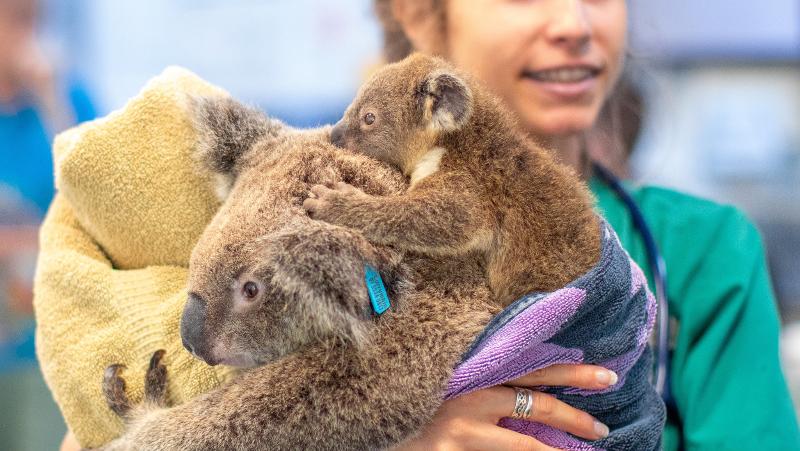
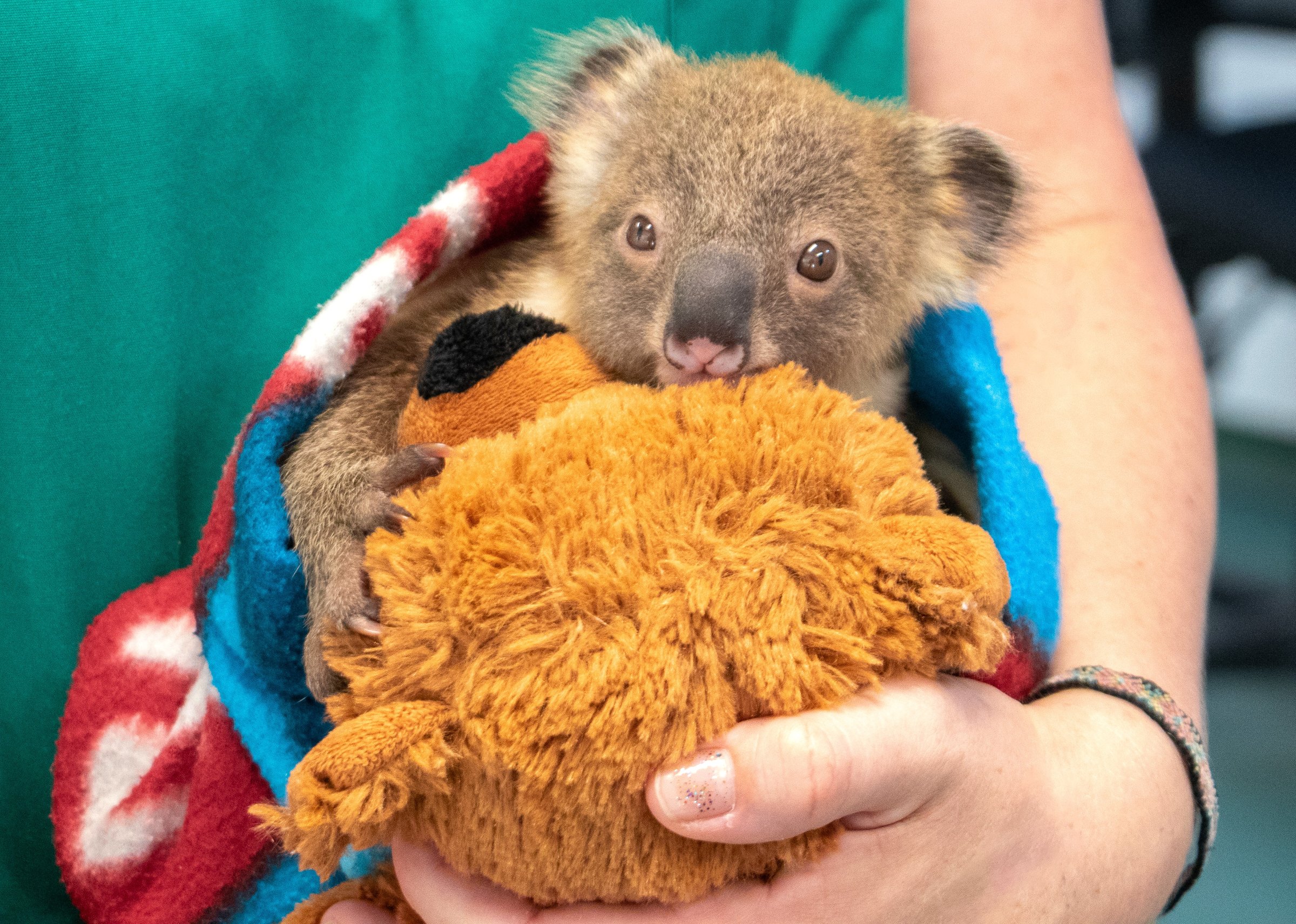
During this period, more than 500 koalas have been vaccinated and tracked – and 41 joeys and 13 grand-joeys born. The incidence of chlamydia through Currumbin koala hospital admissions has dropped by a staggering 75 per cent.
The stabilisation of the Elanora koala population has been enabled by generous donors, along with funding and collaboration from the likes of World Wide Fund for Nature Australia, National Trust of Australia and state, federal and local governments.
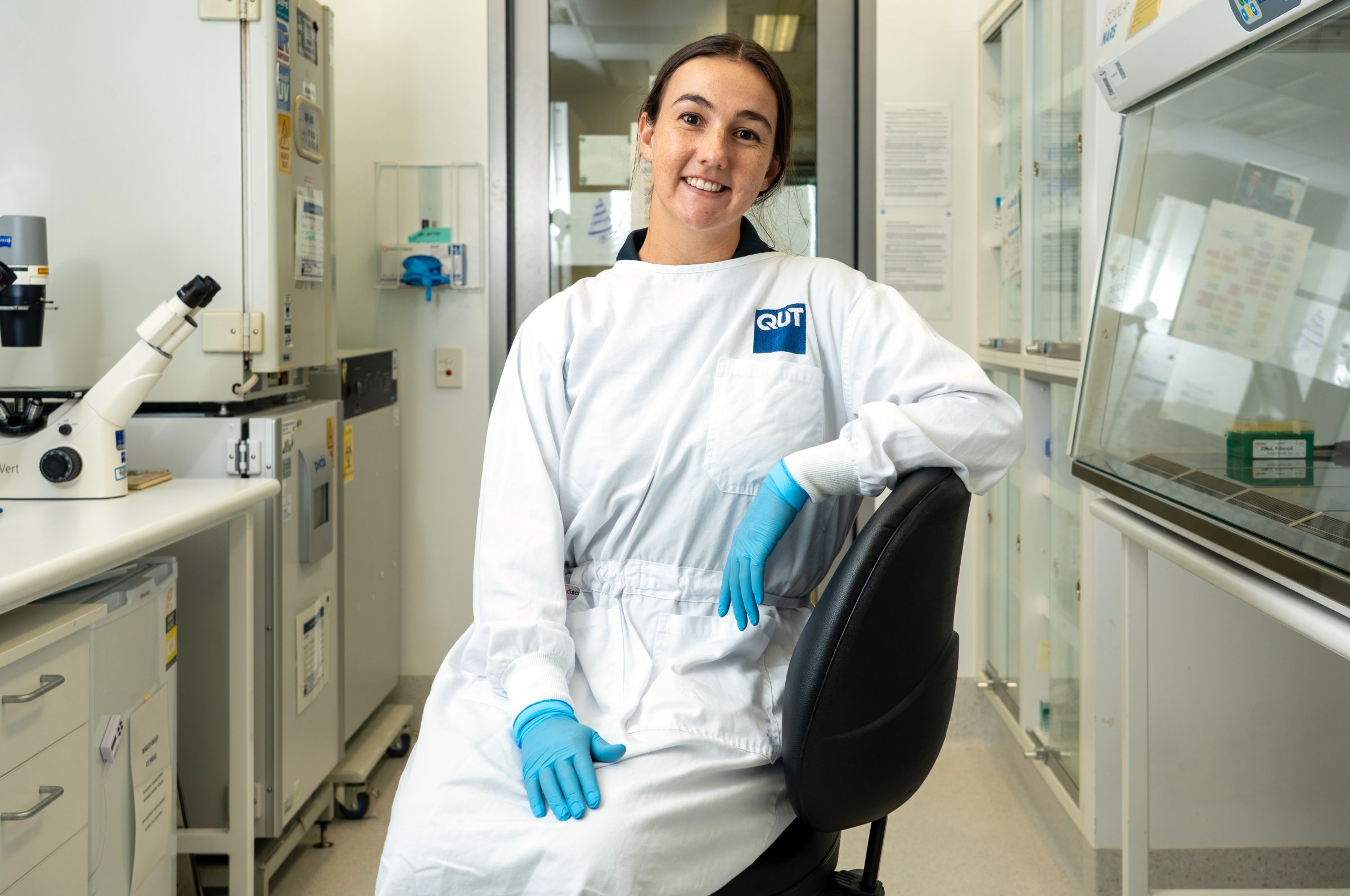
Dr Freya Russell (pictured), postdoctoral research fellow from QUT School of Biomedical Sciences who heads up the research team alongside Dr Alison Carey and Professor Tim Dargaville, said the joey boom and reduction in chlamydia rates was "really exciting".
"The double-shot vaccine has been developed over 10 years and has shown great success in the wild population of koalas from Elanora treated at Currumbin Wildlife Hospital," she said.
 With continued funding and donor support crucial to the team's momentum and ongoing success, the focus is now on finalising development, and registration, of a single-shot implant to safeguard the long-term survival of this endangered species.
Make a gift today
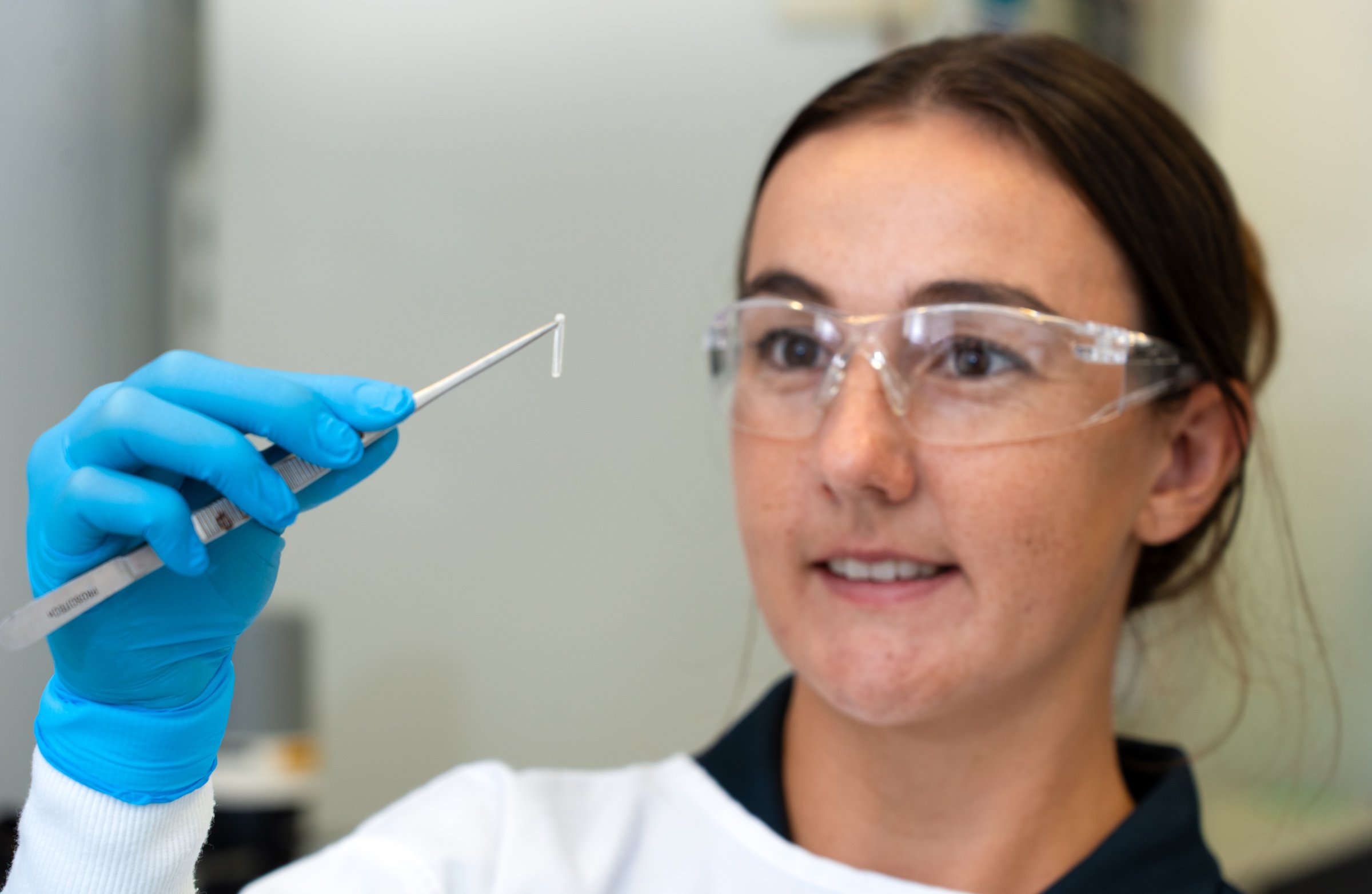
The biodegradable implant, slightly bigger than a pet microchip, will deliver a booster dose after 30 days to allow single-visit vaccination, removing the need to recapture or hold animals in captivity.
“After the great initial success of our captive koala vaccine implant trial, our next steps are well under way - with ethics approval obtained at two facilities to begin trialling the implant in wild koalas,” Dr Russell said.
“Ongoing funding is vital for continued research, which will in turn allow the registration of the vaccine and implant to greatly broaden its accessibility.”
Registration will allow for mass vaccinations of targeted wild koala populations, while Currumbin Wildlife Hospital will also continue to vaccinate rescued koalas brought in for care.
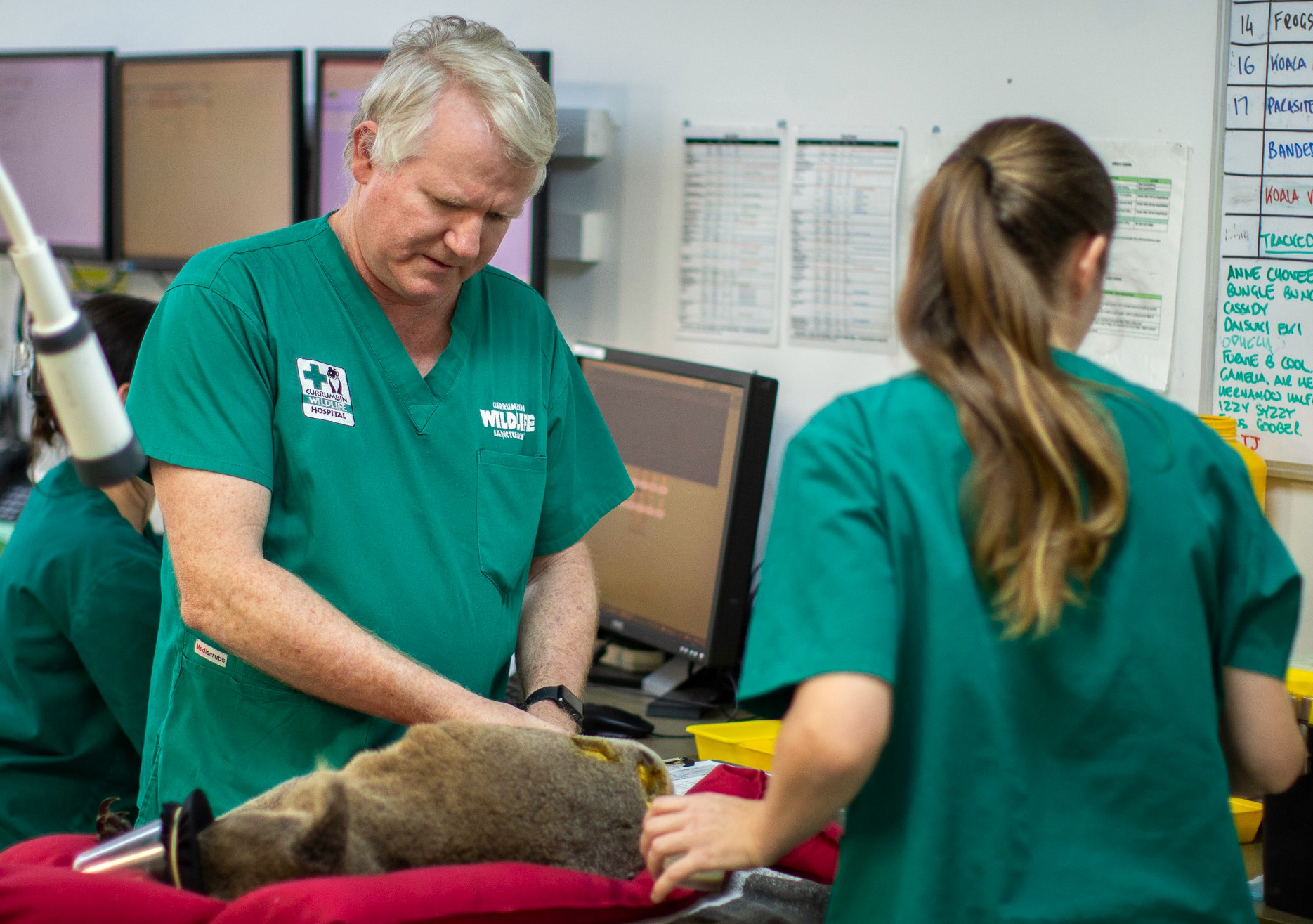
QUT researchers have worked closely over the journey with senior vet at Currumbin Wildlife Hospital, Dr Michael Pyne OAM, who said less invasive vaccine tools could protect koalas not just across Queensland, but beyond.
"The development of the implant is a critical step," Dr Pyne said.
"My hope is that the vaccine continues to evolve to the point that it can be used to pull koalas out of being listed as an endangered species."
When the collaborative Currumbin Wildlife Hospital project started in 2020, more than 70 per cent of koalas were presenting with chlamydia – an often-fatal, sexually transmitted bacterial condition which causes infertility, blindness and urinary tract disease.
Antibiotics have proven both costly and of limited effectiveness.
Growing up in a country town with animals a "massive part of our lives", Dr Russell became determined to do "whatever she could" to help threatened species.
"As I grew older, I noticed how little we knew about some of our Australian wildlife and how many were becoming endangered ... to now be helping a heavily diseased population is so rewarding."
Dr Russell's passion led to undertaking a PhD under the guidance of QUT Professor Ken Beagley, who pioneered the chlamydia vaccine's development.
“Our ultimate goal is to have the vaccine implant registered and readily available to wildlife rehabilitation centres and hospitals across Australia,” she said.
Tanya Pritchard, Senior Manager of Koala Recovery at WWF-Australia, said the Elanora koala baby boom was a “remarkable feel-good story”. The fund’s broader goal is to double koala numbers across eastern Australia by 2050.
"I see a future where we roll out the vaccine at scale among wild koalas. If we catch and vaccinate 10 per cent of the young koalas in a population, we can turn things around.
"That’s exciting for everyone who loves koalas."
Help save our endangered koalas
Those who have collaborated with QUT and Currumbin Wildlife Hospital to date include: WWF-Australia, Brisbane and Gold Coast City Councils, Gold Coast Mayor Tom Tate, WildArk, Rotary Currumbin Coolangatta-Tweed, Neumann Family and generous members of the community.
Main image: Cassidy with her third joey Casiope (Cassidy was the first vaccinated Elanora koala to have a joey).


