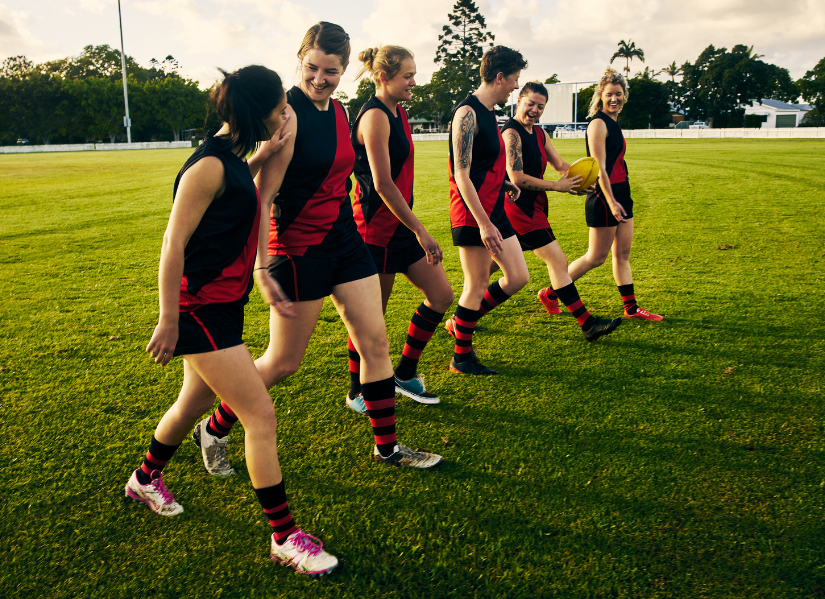
Across Australia, women’s sport is entering a defining era - one shaped not only by elite performance on the field, but by leadership, advocacy and innovation behind the scenes. Realising the potential of women’s sport requires more than celebrating participation and performance - it demands intentional action, structural change and a clear vision for the future.
Growing visibility, professionalisation and public support across women’s sport create an opportunity to redefine what equality truly looks like across pay, conditions and access. The challenge now is to ensure that progress is sustainable, inclusive and compatible with the realities many women face while balancing professional sport with work, study and family responsibilities.
We spoke with QUT Alumni working in the sport industry, either as athletes or professionals about their vision for female sport, advice for those navigating competing commitments and what it would take to turn momentum into true equality on the playing field.
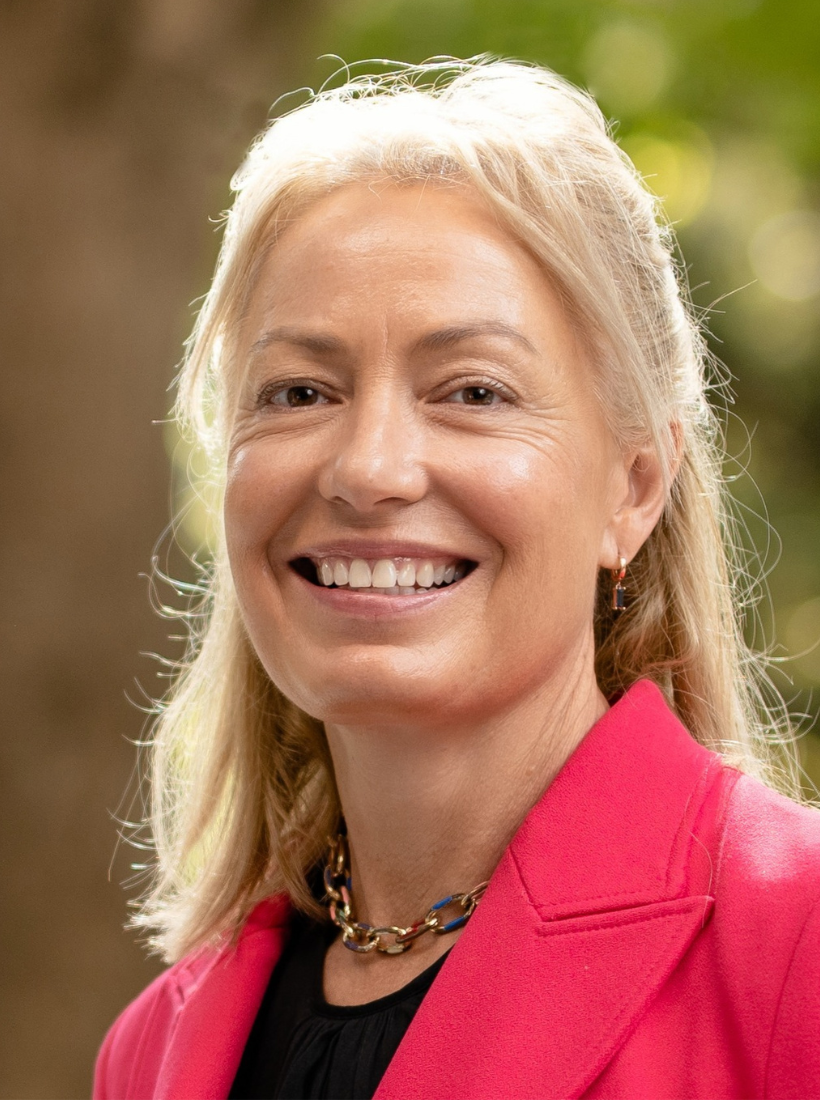
Sarah Kelly OAM (QUT Staff)
Professor and Executive Director at QUT Leadership Institute, Deputy Chair of Brisbane Lions, Chair of the Australian Sports Foundation
How can professional sport be structured to provide equality for all, in consideration to pay, work and family responsibilities?
There are several structural, policy and leadership levers to enable equality for all in sport, and all need to be activated with this mission. Unfortunately, there are still significant barriers to gender equality in professional sport, but we have come a long way when we look at most of the EBAs now including a reasonable salary, capacity for child carers to travel with athletes, and flexible work to enable training and participation in sport. The system could be improved by enabling more visibility and empowerment of female leaders in governance and administration of professional sports, and through fair media coverage and exciting narrative relating to women’s sports. There needs to be provision of adequate medical insurance for athletes and superannuation, and commercial recognition of women’s sport as a unique and attractive asset for investment, rather than being valued by traditional assessments based upon ratings and above the line metrics. We also need to re-balance the algorithms by flooding the internet with content on women’s sport, as there hasn’t been enough historically which means the models are perpetuating the lack of coverage. Attention to female high performance in sport in science also needs correction, with most samples in sports science, technology and data science focused upon male athlete samples.
How do you think the Olympics in Brisbane in 2032 can benefit Female sport?
Under International Olympic Committee New Norms, and sustainability principles, gender equality is a focus that can be translated at our Games through scheduling more mixed gender events and sports, equal numbers in participation, a focus on and planned visibility of female leaders and media coverage. The rise of the athlete influencer and intersectionality of sport, fashion and culture presents significant opportunity commercially for female athletes.

Anna Walker (class of 2004)
Founder of From Now On Sport Consultancy
What is your vision for the future of female sport?
Sporting environments made by women and girls, for women and girls – where every participant is valued, not just the ‘talented’ few, and where diverse needs and experiences are embraced as strengths, not barriers. Because this builds a healthier, more cohesive society, a larger talent pool, and a more sustainable future for sport.
How can professional sport be structured to provide equality for all?
Inequality in professional sport is often structural, not incidental. In environments where time, funding and attention are limited, systems prioritise what is most directly tied to performance, and things like flexibility, pay equality and long-term career sustainability can get pushed aside. The opportunity is to redesign sport to keep people in the game need to be a core measure of success .
What moments or individuals have inspired you the most in women’s sport?
Programs like NJ/NY Gotham FC’s Keep Her in the Game shows what’s possible when we don’t just add women into existing systems, but design sport around their needs and experiences.
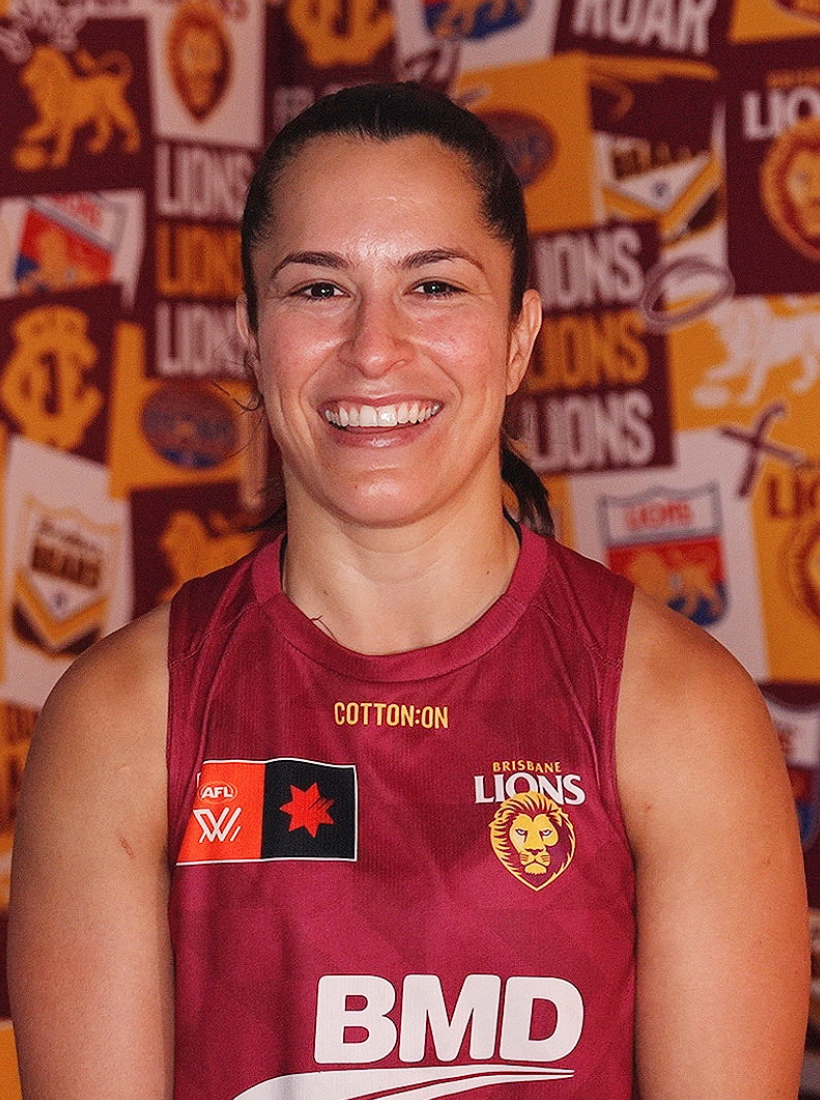
Ally Anderson (class of 2020)
Full-time athlete for Brisbane Lions
What is your vision for the future of female sport?
My vision for women’s sport is for young girls in any sport to have a professional pathway and the resources to be the best version of themselves on or off the field. The long-term goal would be thriving well-funded leagues that are consistently supported.
How can professional sport be structured to provide equality for all, in consideration to pay, work and family responsibilities?
Pay for female athletes need to reflect the demands of being an elite athlete to grow and support all women’s sport. In the AFLW this is beginning to be reflected in the transition of us going from part time to full time athletes. Having flexibility in training schedules, maternity policies and childcare support in the system is essential to creating an environment that gives everyone an opportunity to succeed on and off the field!
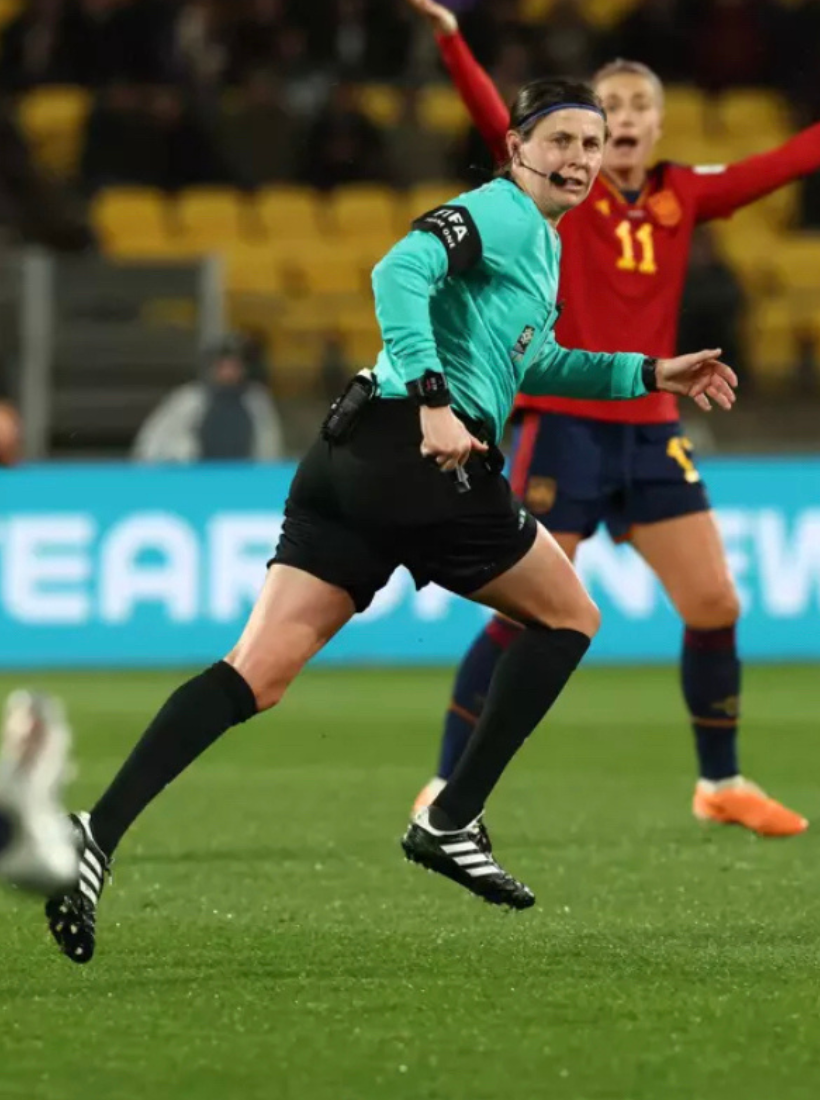
Casey Reibelt (class of 2011)
Elite Football Referee
Refereeing can at times be a thankless task. How can we remove some of the barriers to encourage more referees?
Firstly, minimising abuse from spectators and discouraging disrespect from players and coaches is crucial. The intimidating experiences, particularly for young referees, contribute to a significant loss within this demographic. Secondly, augmenting financial support for robust support networks and educational programs becomes instrumental in enhancing referees’ skills and resilience. Moreover, offering complimentary accreditation courses, uniforms, and streamlining registration processes collectively contribute to creating a more supportive and inviting environment, fostering referee longevity and growth.
Where do you see female participation in sport and refereeing going in the next 5-10 years?
The 2023 FIFA Women's World Cup undeniably made a lasting impact. Over the next 5-10 years, I anticipate a substantial growth in female participation in sports, fuelled by increased visibility, support, and opportunities. In refereeing, a parallel trend is likely, with more women taking on officiating roles inspired by the achievements showcased in major events. This progression aligns with a broader societal shift towards inclusivity and equality in sports, paving the way for an even more prominent role for women in both playing and refereeing aspects.
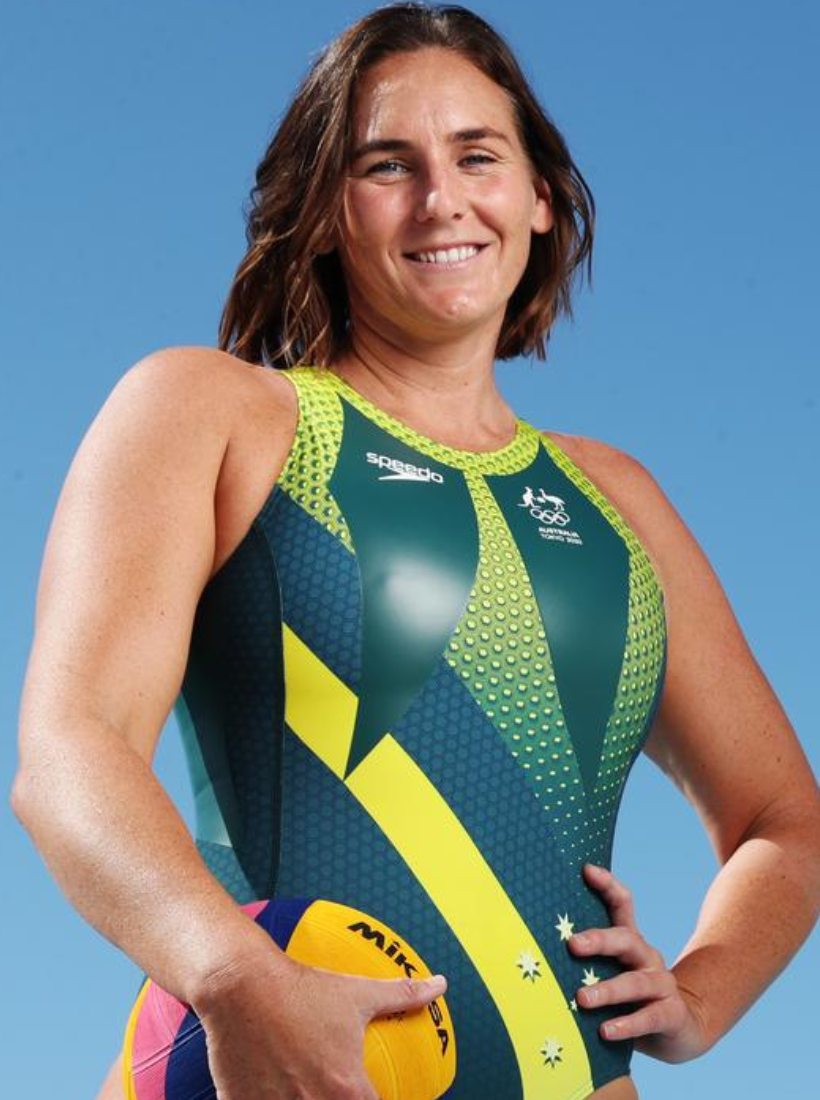
Bronwen Knox OLY (class of 2019)
4 x Olympian - Water Polo
What emerging issues do you think will have the greatest impact on women’s sport in the next 5-10 years?
The sports industry is going through an evolution. We are seeing the impact women’s sport can have across our communities. We have seen the Matildas reach some truly incredible milestones, and that has changed the way all people are viewing female athletes and women’s sport. It was not so long ago that research into high-performance sport was centred around the male athlete. For example, we are only now seeing longitudinal studies being undertaken around how a menstrual cycle may affect training and performance, and how female athletes can use this information to aid their training.
If you had a magic wand, is there an initiative you would like to implement within the sport industry?
I would implement an initiative to ensure equal opportunities and resources for all athletes, regardless of gender, socioeconomic background, or sport. This would include equitable funding, access to high-quality training facilities, and support services to ensure that every athlete has the chance to reach their full potential.
Author

Jenni is an innovative communications, marketing and engagement specialist with fifteen years of industry experience. She is also a proud QUT alumnus with a Bachelor of Creative Industries (Interdisciplinary).