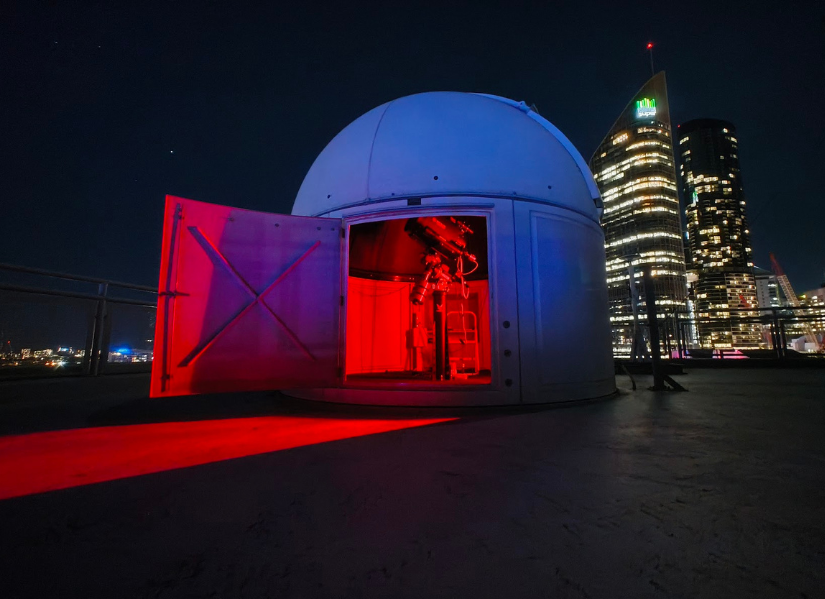
As the World Science Festival rolls into Brisbane this month we are shining a light on QUT alumni and staff at the forefront of innovation - from astrophysics to physics and robotics to discover how science and technology intersects with all areas of their work and why we should be excited about the future.
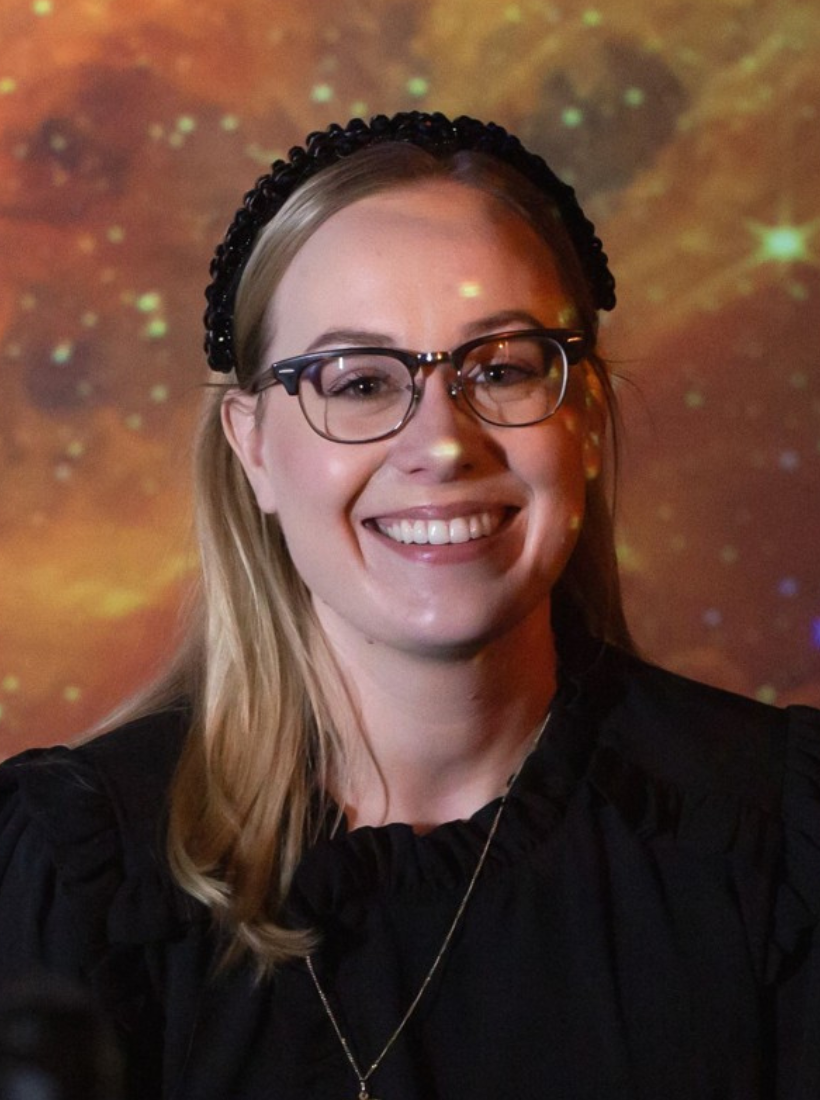
Dr Sara Webb
QUT Alumni, internationally recognised astrophysicist, award-winning science communicator
How do science and technology intersect with your work?
I'm very lucky to work at the very intersection of science and technology. In astrophysics we are often overwhelmed with glorious amounts of data and I've made my career by using novel machine learning systems to discover some incredible astronomical phenomena. I also lead Australia's longest running Space Station experimentation platform, where we explore the intersection of fundamental biology and physics, and the applications when in a space environment.
Connect with Sara on Linkedin.
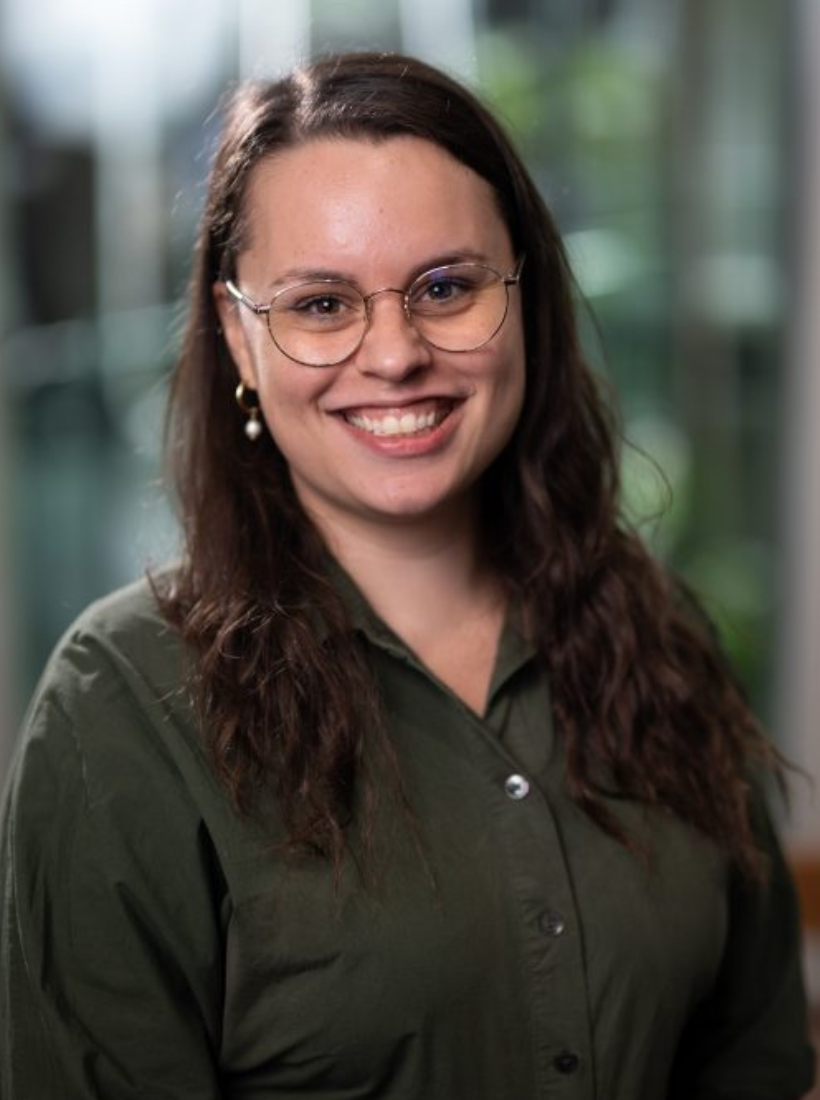
Dr Katrina Wruck
2025 Young Australian of the year, Lecturer in Chemical & Sustainable process engineering at QUT, Founder of Nguki Kula Green Labs
What future possibilities excite you most?
I’m most excited by the potential to design materials and systems that don’t just reduce harm, but actively restore and regenerate Country. We’re moving toward a future where materials can capture pollution, processes are powered by passive or low-energy chemical systems, and waste is reframed as a resource rather than a liability. I’m particularly interested in combining advanced materials and electrochemical technologies, alongside collaboration with Australian Traditional Owner Knowledge Systems, to tackle challenges like water security and environmental contamination.
Connect with Katrina on Linkedin.
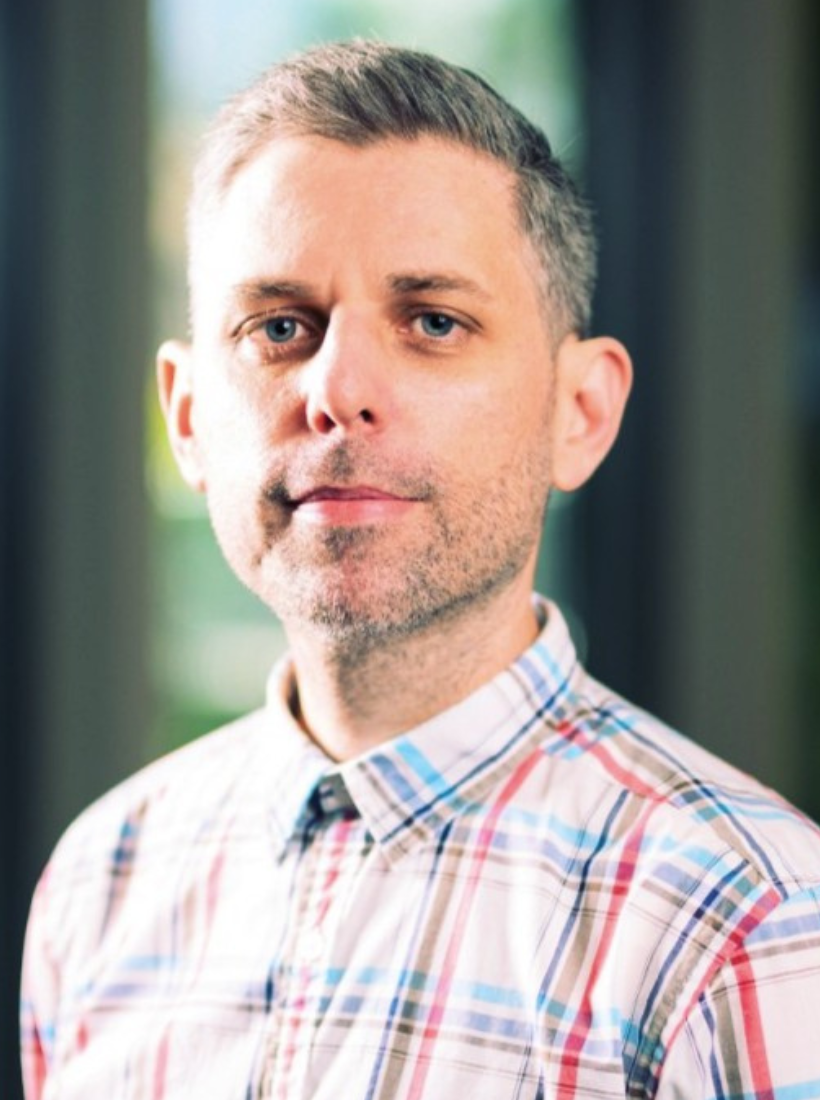
Dr Michael Cowley
Senior Lecturer & Academic Lead Learning and Teaching | School of Chemistry & Physics
How do science and technology intersect with your work?
In the QUT Astrophysics Research Group, science and technology intersect through our use of ground and space based telescopes, and high performance computing to probe the structure and evolution of the Universe. We study galaxies and supermassive black holes, dark matter and dark energy, and the history of cosmic expansion using large observational datasets and numerical simulations. Science provides the theoretical framework, while advanced hardware and computing infrastructure allow us to extract subtle signals from the faint light of distant objects.
Connect with Michael on Linkedin.
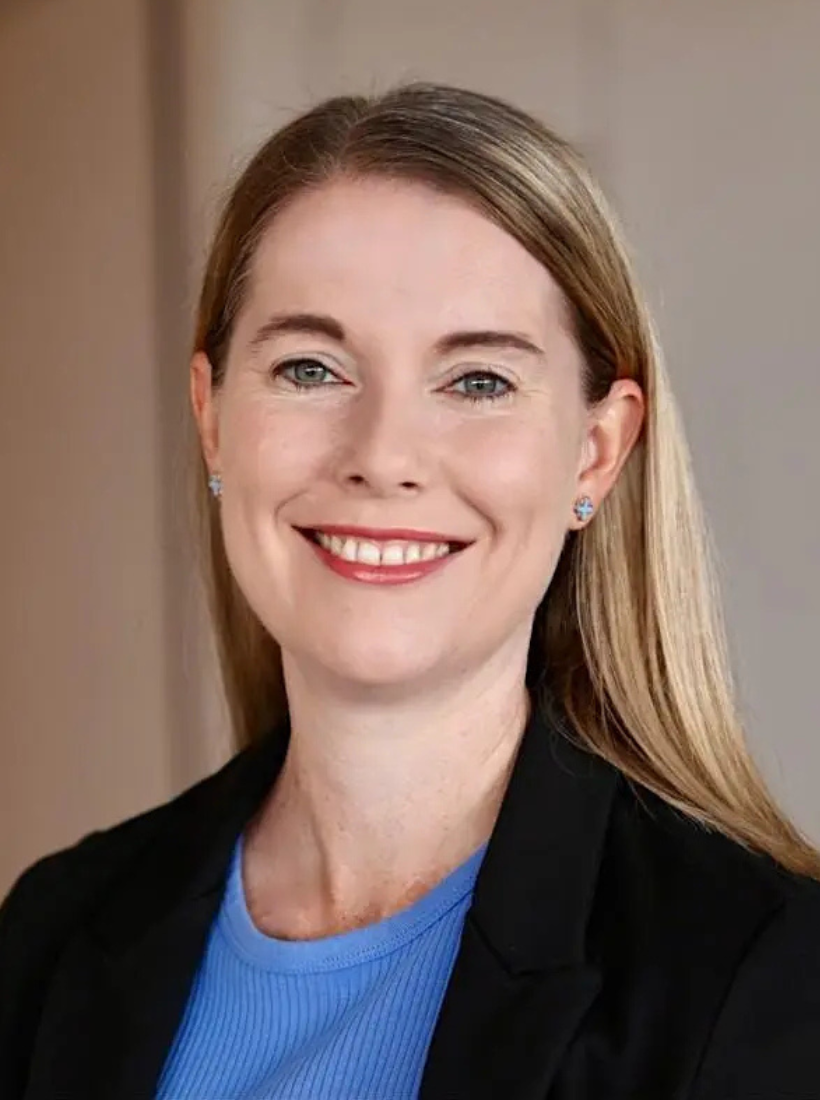
Dr Erin Rayment
QUT Alumni, interdisciplinary biologist and QUT’s inaugural Chief Commercialisation and Development Officer
What future possibilities excite you most?
What excites me most is the chance to translate publicly funded research into new products, services, and companies. I’m motivated by building commercialisation pathways, founder pipelines and capital models that work for deep tech, not just software. Queensland has the opportunity to reduce friction between universities and investors and use government as an early customer. If we do this well, we can grow globally relevant companies and create a pipeline of new opportunities for students, future employees, and local communities. This collaborative impact is what I’m passionate about.
Connect with Erin on Linkedin.
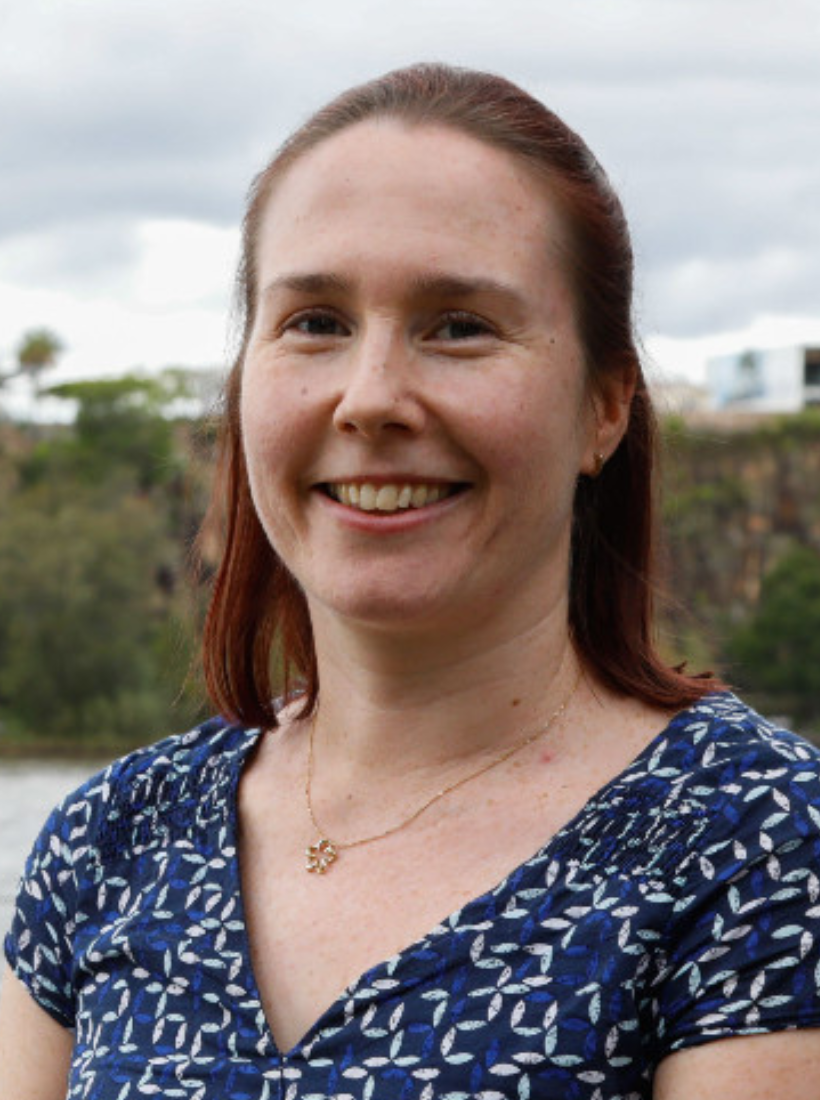
Associate Professor Lucy Reading
Associate Professor - School of Biology and Environmental Science - Faculty of Science Queensland University of Technology (QUT)
What future possibilities excite you most?
I’m currently excited about the opportunities to use smart IoT water sensors combined with data analytics and visualisations to monitor hydrological systems in real time – for improved water management.
What future possibilities excite you most?
I’m currently excited about the opportunities to use smart IoT water sensors combined with data analytics and visualisations to monitor hydrological systems in real time – for improved water management.
Connect with Lucy on Linkedin.
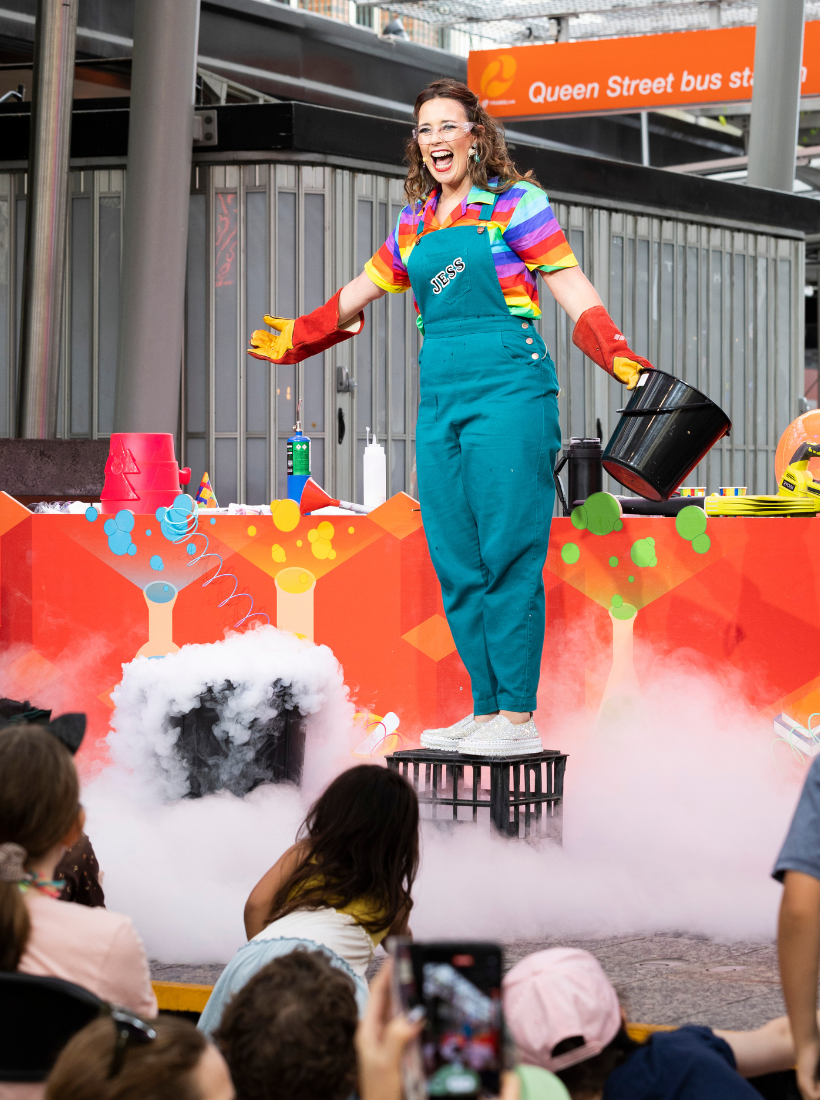
Jessica Heinemann
QUT Alumni, Professionally trained presenter and science communicator, contestant on Lego Masters Season 3
How do science and technology intersect with your work.
As a professionally trained presenter and science communicator, my role can be described as translating science and technology to make it relatable and accessible to all people. I aim to get people excited about science and encourage them to be curious about the world around us. Throughout my career I have managed and delivered numerous training and education initiatives Internationally and across Australia including interactive shows, hands-on workshops, professional development, careers sessions and mentoring programs. I am also a strong advocate for women in STEM.
Connect with Jessica on Linkedin.
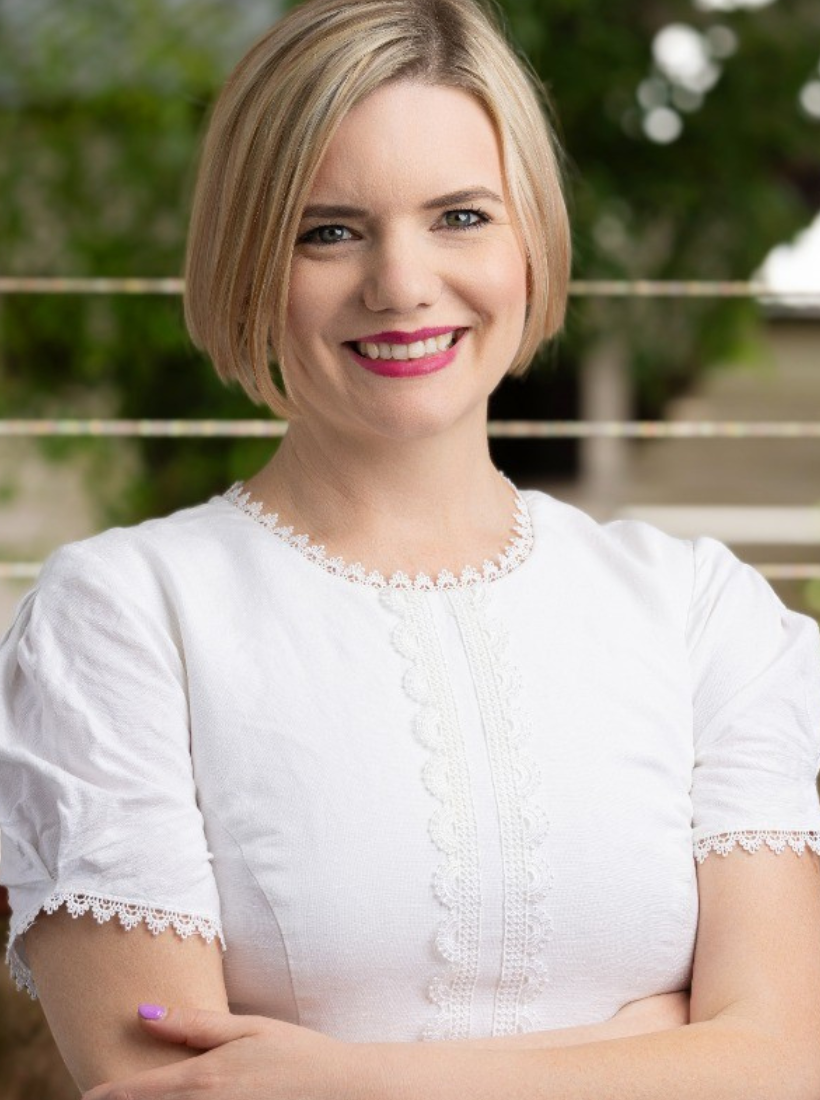
Xanny Christophersen
QUT alumni, CEO and Managing Direct of Priestley’s Gourmet Delights - 2025 winner of the Lord Mayer’s Asia Pacific Business Transformation award
How do science and technology intersect with your work?
It might surprise people, but baking is one of the most delicious forms of science. Every cake we make is essentially a small chemistry experiment.
The real challenge comes with scale. Baking isn’t a piece of cake! A recipe that works in a home kitchen doesn’t automatically translate to a commercial environment, so we rely heavily on food science and technology to control variables like mixing speeds, oven temperatures, humidity and baking times.
Modern manufacturing technology is essential in making this possible. Advanced systems allow us to bake, cool and package with incredible precision, supporting consistency, food safety, and efficiency at scale. It means the slice you enjoy in Brisbane tastes the same as one served in Perth.
At the end of the day, science and technology allow us to transform simple ingredients into something memorable and when the experiment goes right, we get to create happiness in the form of cake.
Connect with Xanny on Linkedin.
Author

Jenni is an innovative communications, marketing and engagement specialist with fifteen years of industry experience. She is also a proud QUT alumnus with a Bachelor of Creative Industries (Interdisciplinary).