
While AI promises many benefits, it also creates a daunting picture as to what future jobs lie ahead.
The reality is that vibrant economies never stay still. Technological change has always been part of a dynamic, evolving economy.
What this means is that “learning” never stops after graduation. AI is amplifying the need – and opportunities – for us to keep expanding our capabilities and skillsets.
But “which skills?” you might ask. It’s certain that AI is set to replace and reshape many jobs. Routine, repetitive tasks are strongly poised to be outsourced to automation. Job openings for many clerical and administrative roles – such as clerks, receptionists and personal assistants – are already slowing down as a result.
But what this also means is that our time and efforts can be steered towards the more complex, intricate and “human” aspects of jobs that can’t be – or shouldn’t be – handed over to AI.
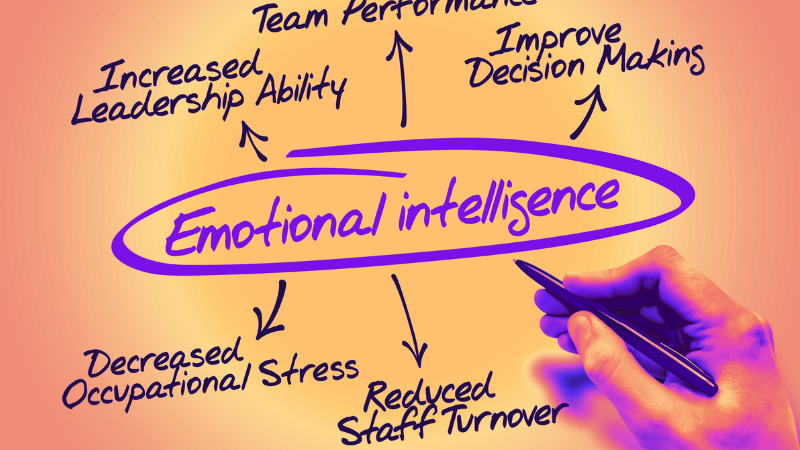
Empathy and emotional intelligence
For one, in a world saturated by AI, personal empathy and emotional intelligence will be even more highly valued. These traits are important in all sectors, but especially in care jobs.
Originality and authenticity
Second, we’re seeing a market of consumers emerging who place even greater value on human-generated creation, above AI output. Especially in the creative and artistic industries, originality, authenticity and uniqueness will become prized assets.
Critical judgement
Third, AI is magnifying the need for us to develop and apply critical judgement and decision-making skills. AI might be a whiz at mechanical processes. But accountability, responsibility and applying a moral compass to the use of AI will ultimately rest with humans. These are the types of capabilities to invest in.
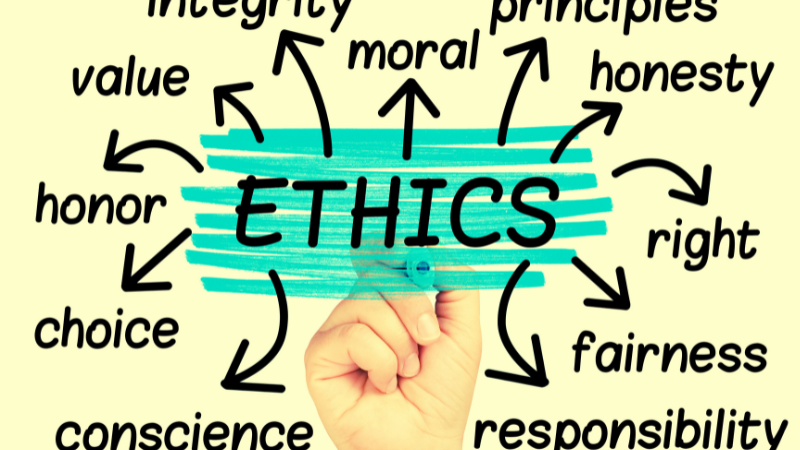
Ethical decision making
People with expertise in ethical decision-making, risk management, inclusive systems design, and leading people through change, will be sought after to guide society through AI’s impacts.
Management of ongoing technological evolution
How society manages this ongoing technological evolution, collectively, matters. For the workers whose jobs are replaced by AI, there will be talk of “reskilling”. But it’s crucial that these workers aren’t pushed to the bottom of the career ladder.
Instead, recruiters and employers need to recognise the valuable skills and career experience that displaced workers can bring to new jobs. And that the displaced workers themselves are supported to identify and articulate the transferable skills they hold. For some, the AI transition may be a springboard to creating their own business and entrepreneurial ventures.
Above all, it’s crucial for all of us to be socially aware that the impacts of AI – both the opportunities and the fallouts – will not evenly distributed. We want to ensure our economy evolves in a way that is not merely more productive, but also more equitable.
About the author
Dr Leonora Risse
Dr Leonora Risse is an Associate Professor in Economics at QUT. She is a member of QUT’s Centre for Decent Work and Industry and Centre for Justice. Her research focuses on the labour economics, especially evidence-based policies for gender equality. Leonora combines her academic research with her public policy experience, specialising in effective research translation and implementation. She previously worked as an economist for the Productivity Commission, and she currently serves as an Expert Panel Member for the Fair Work Commission and the Parliamentary Budget Office.