Highlights
- Equip yourself with the specialist analytical skills required to tackle today's complex scientific, computational and modelling problems.
- Learn from people who deliver world-class teaching and research outcomes.
- Play an integral role in the workplace with a modern, relevant and engaging mathematics degree designed for the real world and underpinned by our award-winning research.
- Solve real-world problems and develop skills for a career in various areas such as finance, investment, information technology, environmental management, health, marketing, logistics, defence, media, education and research.
- Major in Applied and Computational Mathematics, Operations Research or Statistics.
Highlights
- Prepare yourself with the specialist analytical skills required to tackle today's complex scientific, computational and modelling problems.
- Learn from people who deliver world-class teaching and research outcomes.
- Play an integral role in the workplace with a modern, relevant and engaging mathematics degree designed for the real world and underpinned by our award-winning research.
- Solve real-world problems and develop skills for a career in various areas such as finance, investment, information technology, environmental management, health, marketing, logistics, defence, media, education and research.
- QUT is ranked tenth for statistics and operational research in Australia (QS World University Rankings by Subject 2025).
Your mathematics degree features common units in the first year, giving you the opportunity to explore the full range of mathematics majors before you choose your career specialisation.
Why QUT

Hands-on learning
Gain skills and confidence for your career with a curriculum that prioritises hands-on learning and real industry projects.

Build your network
Connect with motivated professionals and learn from award-winning lecturers who are experts in their field.

Industry experience
Gain experience with leading organisations through our work-integrated learning program.
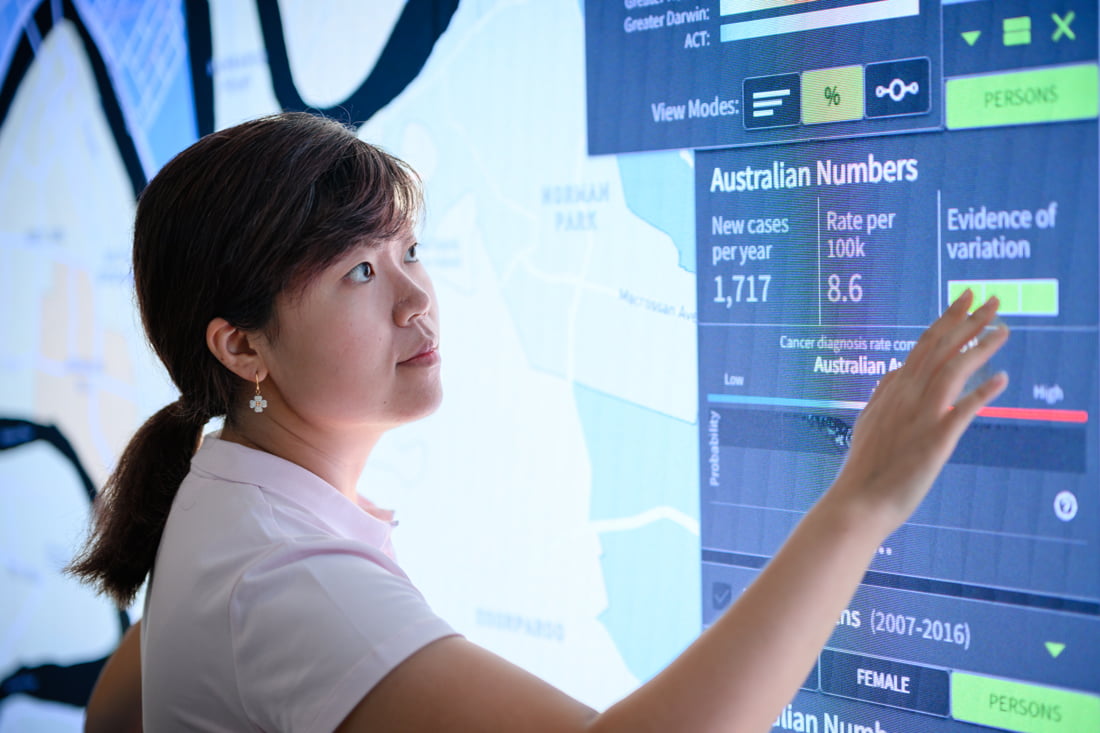
Using maths to track cancer growth
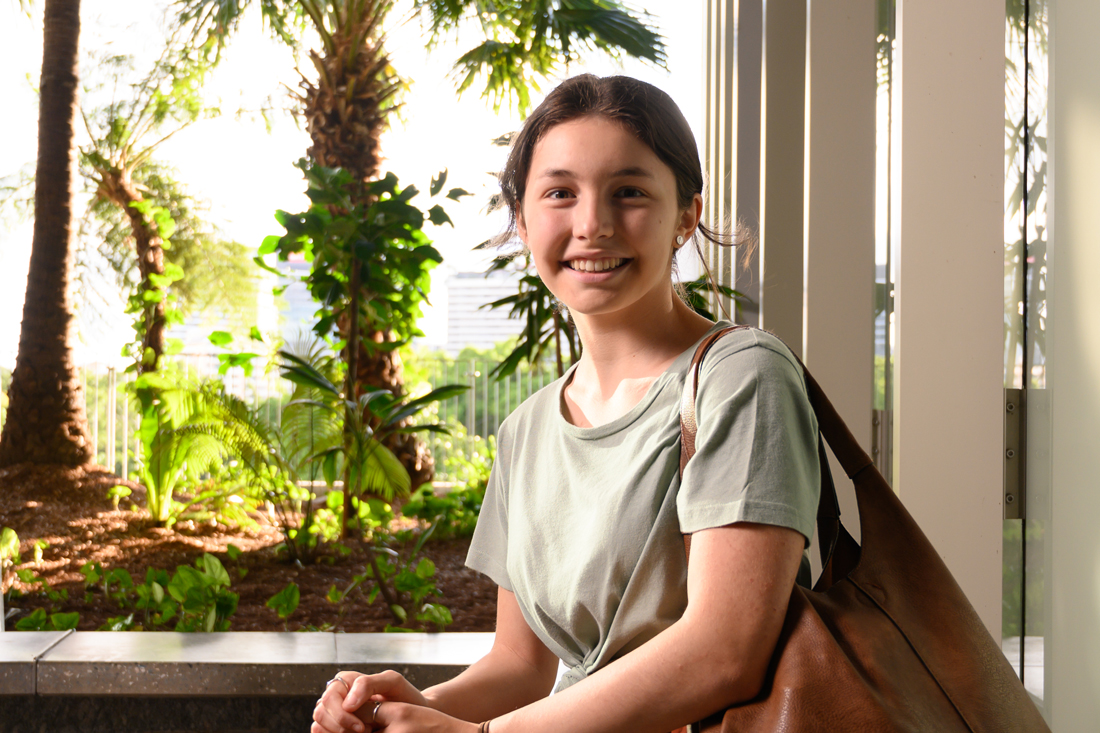
'I’ve always loved mathematics and wanted to use it to make a real impact in healthcare. A highlight of my studies was taking part in the Vacation Research Experience Scheme, where I spent 10 weeks over summer mathematically modelling brain cancer growth in response to a new drug treatment and exploring ways to optimise outcomes. I got to present my research to peers and even travelled to London to showcase it internationally.'
Mathematics and Biomedical Science student
Sammie's first-year experience
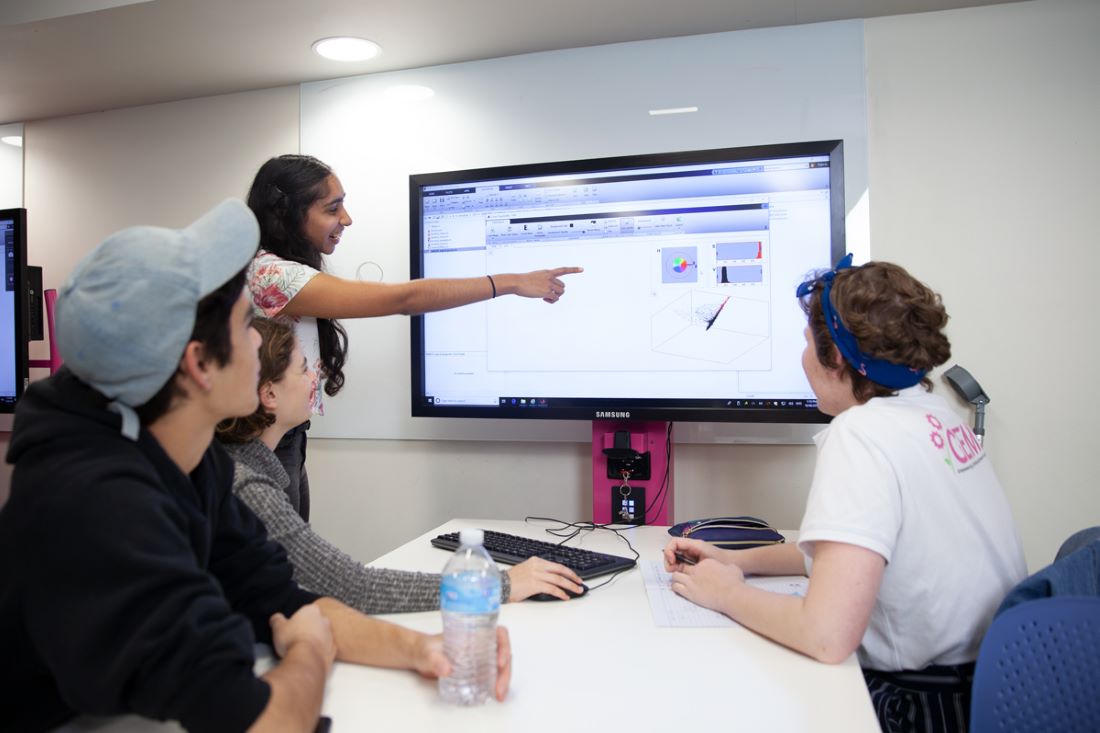
'The reason for choosing my particular course is plain and simple—I absolutely love maths! My degree is full of practical experiences. In my first year alone, I modelled COVID-19 cases and vaccination rates, wrote a proposal to the council about the logistics behind bungee jumping from the Story Bridge, and made an interactive app to support elderly users with online shopping. This is invaluable in preparing us for the workforce.'
Applied and computational mathematics student
Vertical upgrade: Master of Data Science
Do you have a passion for mathematics and curiosity about data science? In our Bachelor of Mathematics/Master of Data Science vertical degree, you will strengthen your problem-solving abilities further and learn to process, analyse, and visualise complex datasets effectively using analytics tools and techniques.
Think maths. Think QUT.
QUT gives you powerful mathematical analysis tools with a real-world focus. When you graduate, you can use your new-found quantitative skills in a wide range of fields and really play an integral role in the world’s workplaces.
Maths at QUT
Study mathematics at QUT to be part of a high-performing group of students. Build your skills with advanced mathematical techniques, focus on solving real-world problems, and learn from internationally recognised maths academics and researchers.
Get involved in research
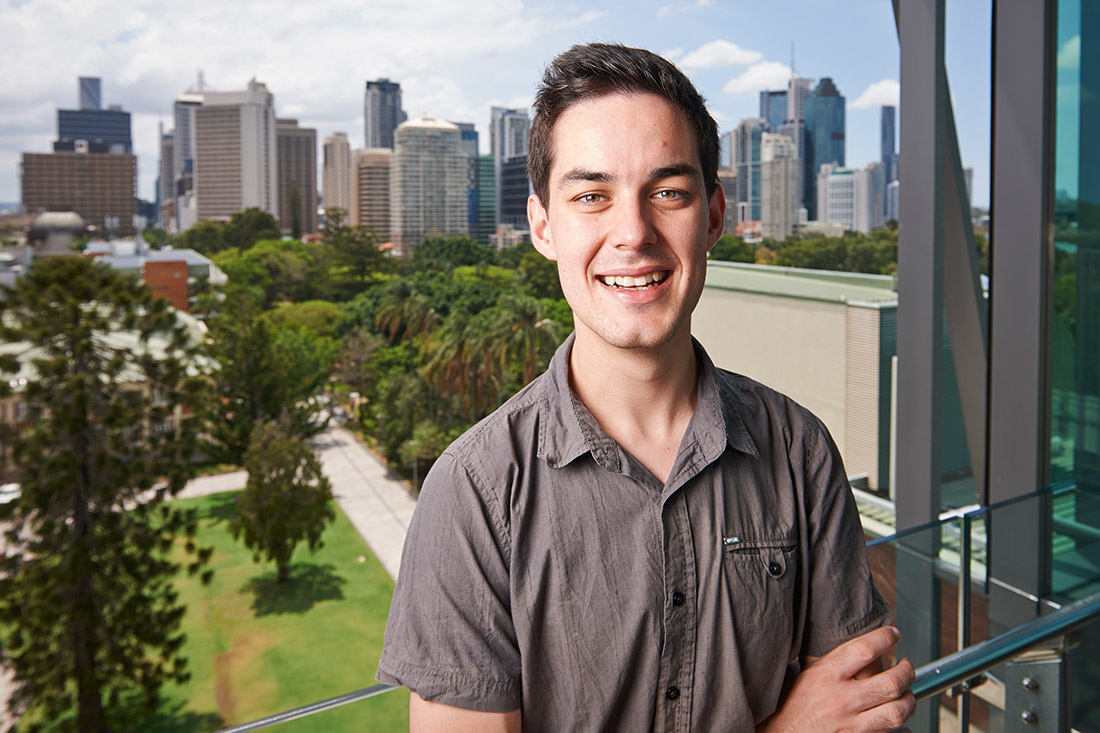
'When I joined QUT, for the first time in my life, I was surrounded by hundreds of people who were as passionate about mathematics as I was, which was amazing. I loved QUT's quality of research and how easy it was to get involved. From my second year, I contributed to research using mathematics to intersect with biology and medicine to solve real-world problems.'
Applied and computational mathematics alumnus
Graduating with a strong skillset
'I chose QUT for its outstanding alumni community, networking opportunities and industry connections. I realised the mathematical techniques and analysis seen in my economics major would be complemented by my study of statistics. I simultaneously study two areas I am very passionate about and will graduate with a strong skillset for problem solving, number-crunching, and even experimental design.'
Bachelor of Business/Bachelor of Mathematics student
Think maths. Think QUT.
QUT gives you powerful mathematical analysis tools with a real-world focus. When you graduate, you can use your new-found quantitative skills in a wide range of fields and really play an integral role in the world’s workplaces.
Push beyond your limits
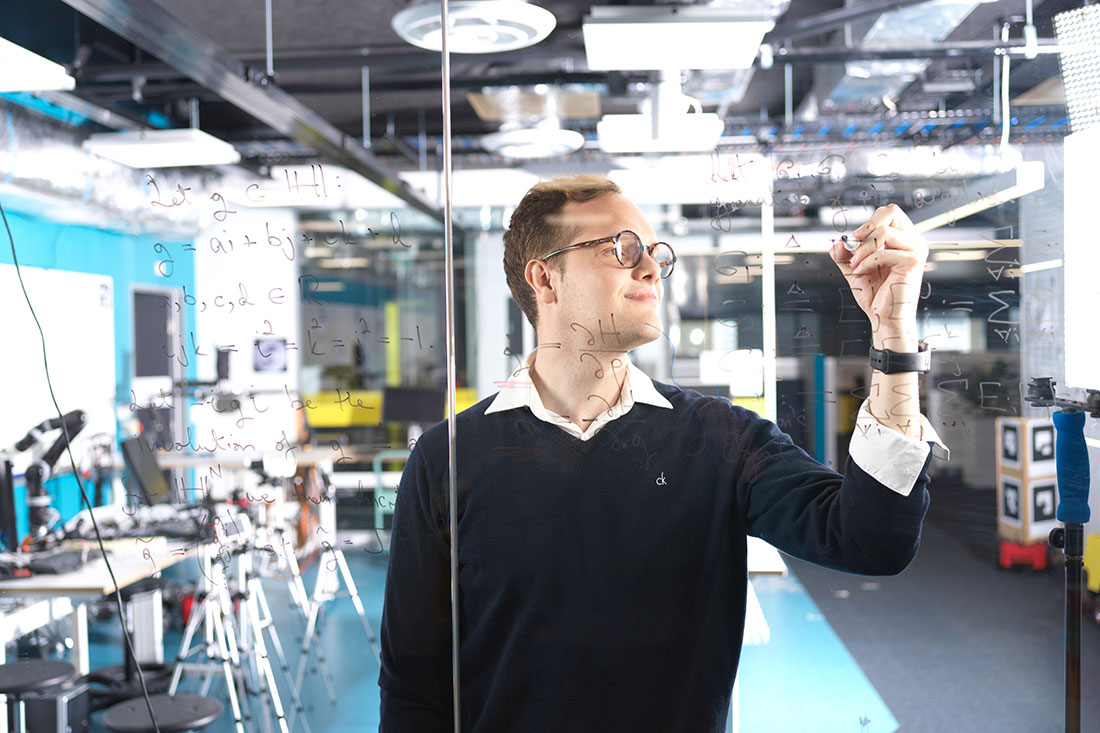
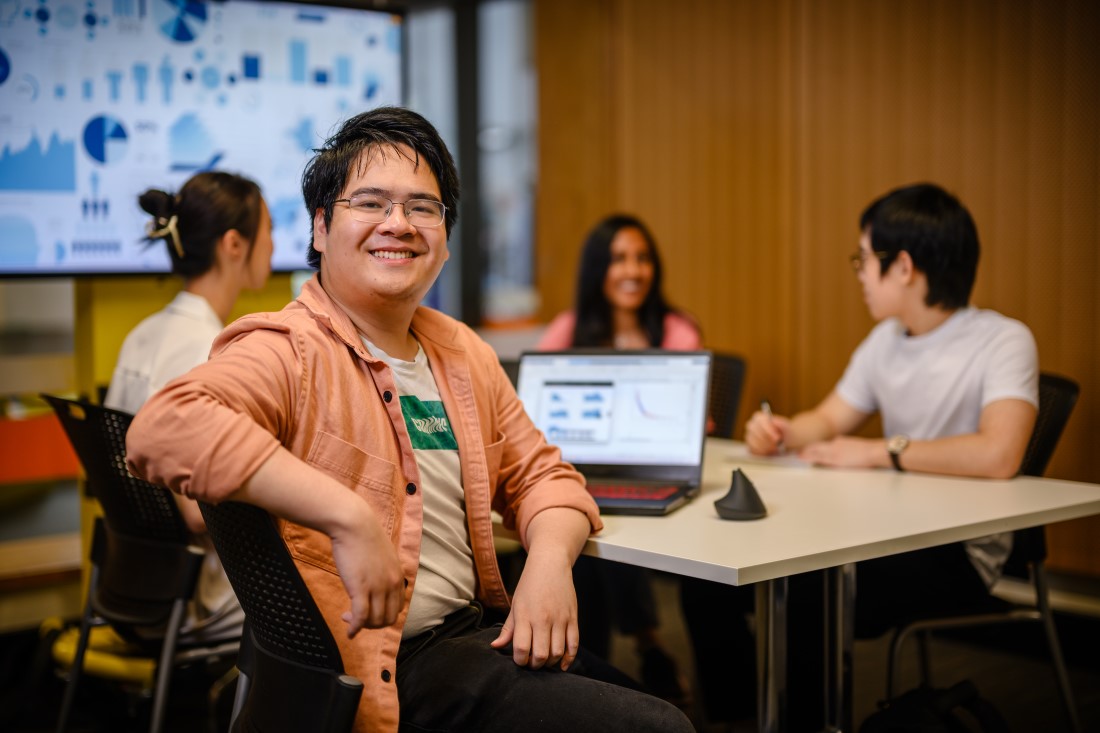
'I chose to study a double degree in maths and IT because I had an interest in mathematics, and did small programming projects for fun in high school. Throughout my degree, I have been involved in in various IT and maths projects which built my confidence, serving as proof that I am capable of learning on the job and can deliver value to a community. I recommend QUT to others because there will always be something meaningful for you here, not just academically. It is a good place to find like-minded people and to push beyond your limits.'
Mathematics and Information Technology double degree student
Maths at QUT
Study mathematics at QUT to be part of a high-performing group of students. Build your skills with advanced mathematical techniques, focus on solving real-world problems, and learn from internationally recognised maths academics and researchers.
Get involved in research
'When I joined QUT, for the first time in my life, I was surrounded by hundreds of people who were as passionate about mathematics as I was, which was amazing. I loved QUT's quality of research and how easy it was to get involved. From my second year, I contributed to research using mathematics to intersect with biology and medicine to solve real-world problems.'
Applied and computational mathematics alumnus


Keep up to date
Ready for your next step?
Finishing school?
Everything you need to know about choosing a uni straight from school.
How to apply
We'll break down the application process, from QTAC to accepting your offer.
Ready for your next step?
How to apply
We'll break down the process, from applying to accepting your offer.
Flexible study
Explore the options that could make postgraduate study work for you.
QUT courses for you
Like to save your courses?
Please enter your first name and email so we can save your courses for you